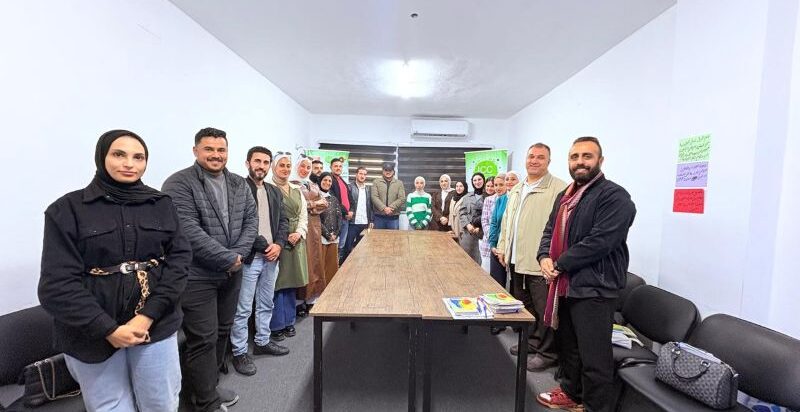
🌿✨ The safe political space of the countryside concludes its training of young leaders in advocacy and lobbying, within a strategic vision to enhance youth-led democratic participation.
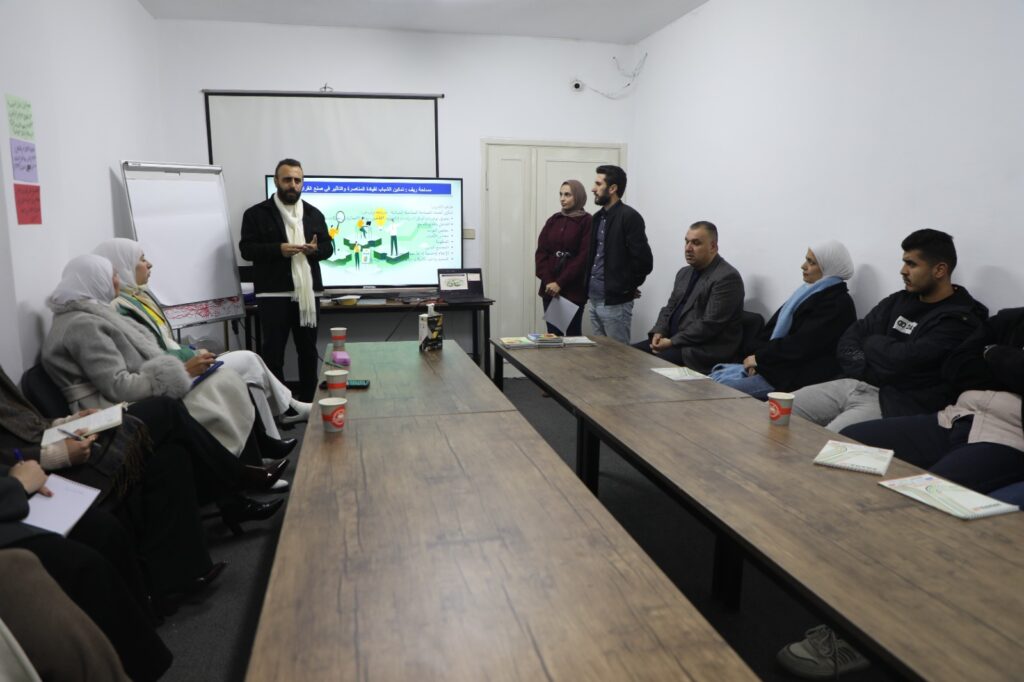
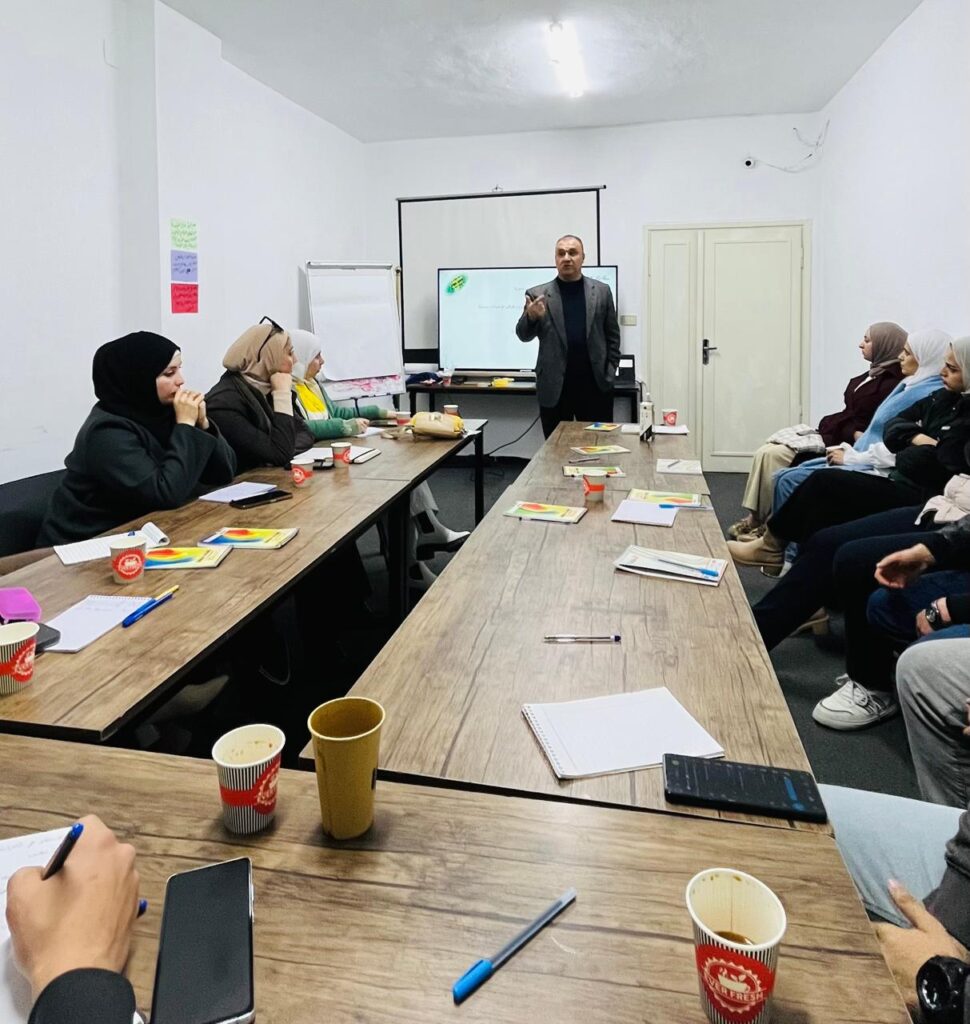
The Rif Youth Political Safe Space – established by the Center for Change Agents for Sustainable Development – concluded a specialized training program in advocacy and lobbying, in a strategic step that reflects the center’s commitment through the space to building a conscious youth generation capable of influencing public policies within a safe dialogue environment that promotes pluralism and responsible participation. Through this training, we seek to enhance democratic spaces for civil society and youth, and expand the scope of conscious political participation, which contributes to involving youth in policy reform processes and promoting the principles of good democratic governance.
Project coordinator Ahmed Abdulqader Al-Rababa’a pointed out that the Rural Space initiative operates according to an integrated vision based on building the capacities of young people in the areas of political dialogue, advocacy, lobbying, and active civic participation. This is achieved through interactive sessions and direct meetings that bring them together with stakeholders, decision-makers, and experts in public affairs. He added that this approach contributes to empowering young people to transform the priorities of their rural communities into evidence-based policy agendas and strengthens their role as genuine partners in the decision-making process.
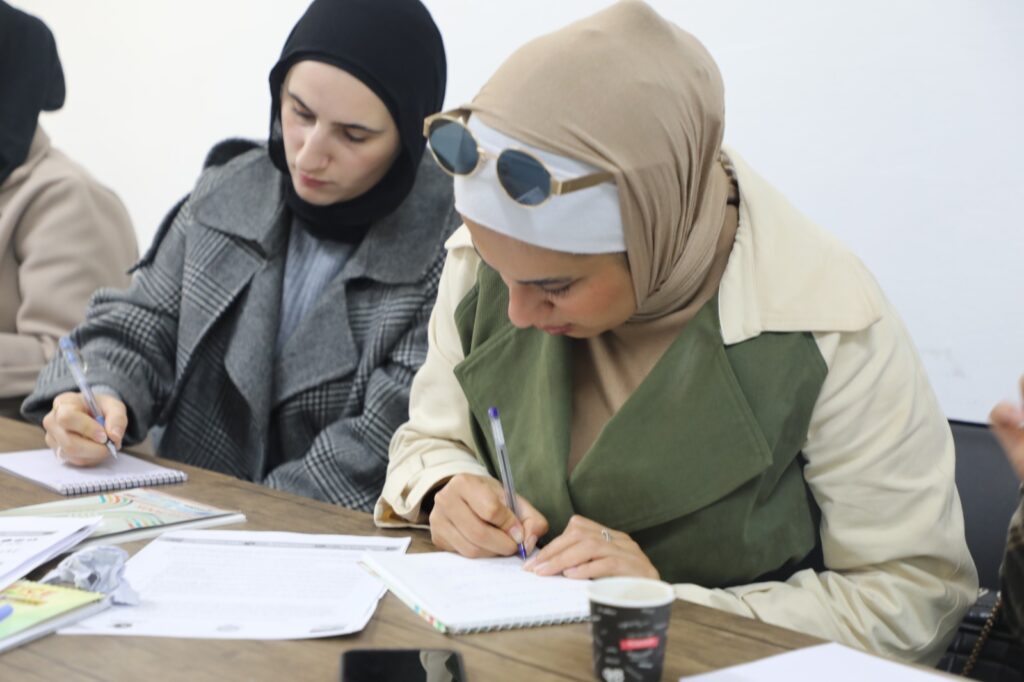
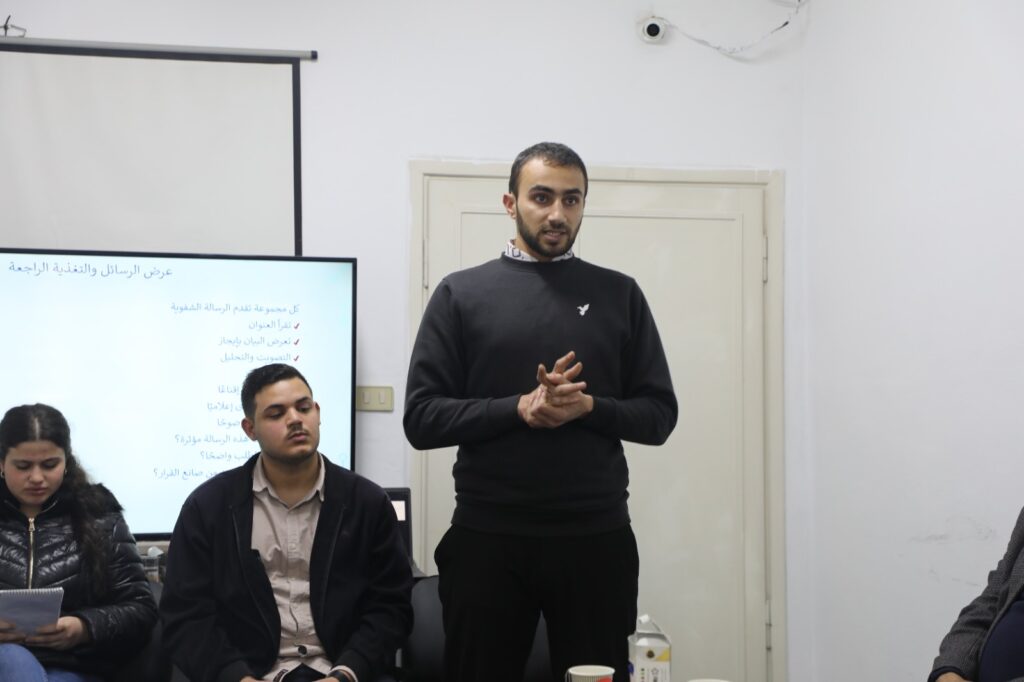
For his part, public policy expert Mohammed Bani Mustafa explained that the training focused on enhancing young people’s understanding of the mechanisms for influencing public policies, developing skills in analyzing issues and formulating targeted messages, and preparing practical policy papers based on the needs of local communities, enabling them to actively engage in public dialogue and contribute to policy reform within institutional and democratic frameworks. In addition, building knowledge among young people from different social, intellectual, and political backgrounds will enhance the culture of positive difference, enrich public debate, contribute to building consensus based on mutual respect, and consolidate the values of teamwork and social responsibility.
In the context of completing the project phases, Suhaib Ahmad Rababa’a, Executive Director of Intermediaries of Change Center for Sustainable Development, affirmed that the third phase of the project’s contributions will focus on developing practical advocacy tactics, launching a digital campaign to support the policy paper recommendations, and organizing direct local and national dialogues between youth and policymakers. The aim is to support the adoption of these recommendations and enhance their impact, empowering youth as defenders of human rights and public freedoms, and as partners in establishing the rule of law and promoting the principles of transparency and accountability, in line with the agenda of social justice and comprehensive political reform.
He emphasized that empowering youth in rural areas is not limited to enhancing their technical skills, but extends to strengthening their rights awareness and their role in the peaceful defense of economic, social, and political rights. It also involves expanding the scope of organized civic participation, thereby strengthening the sustainability of reforms and enshrining a participatory democratic governance approach. This will be achieved through the policy papers prepared by youth, which address pivotal issues that reflect their priorities, including labor rights, education, entrepreneurship, and equal opportunities, with a focus on the most vulnerable groups, in accordance with the principles of social justice and equality.
It is worth mentioning that the Safe Youth Political Rural Space project is being implemented by Intermediaries of Change Center for Sustainable Development, in partnership with the Ajloun Community Radio, and in cooperation with the German Rosa Luxemburg Foundation, as part of joint efforts to promote safe political participation, support modernization and democratic reform paths, and empower youth as an active force in building a more just and inclusive future.