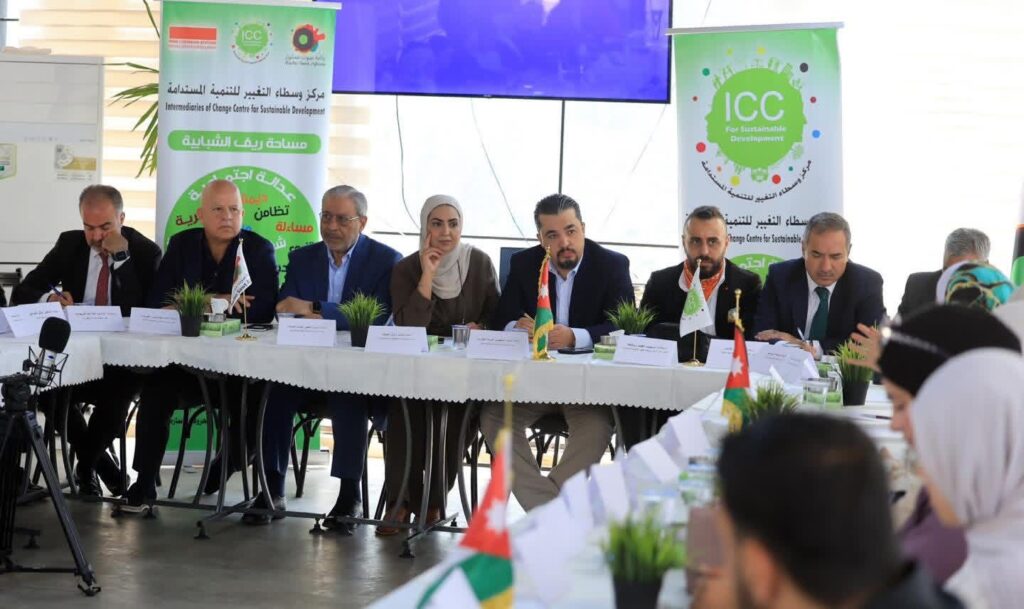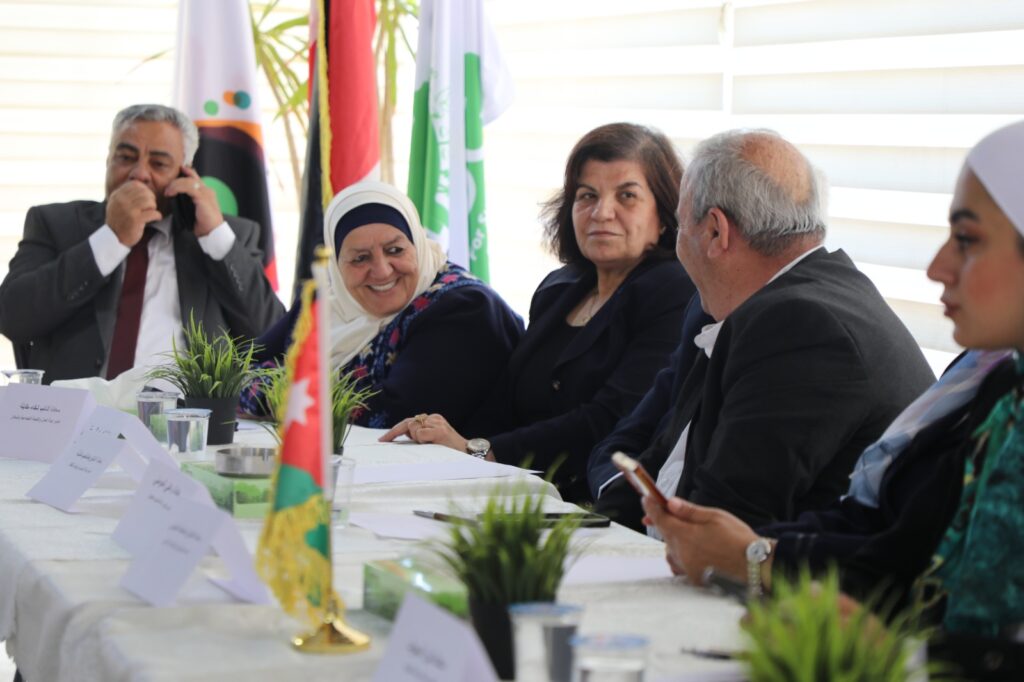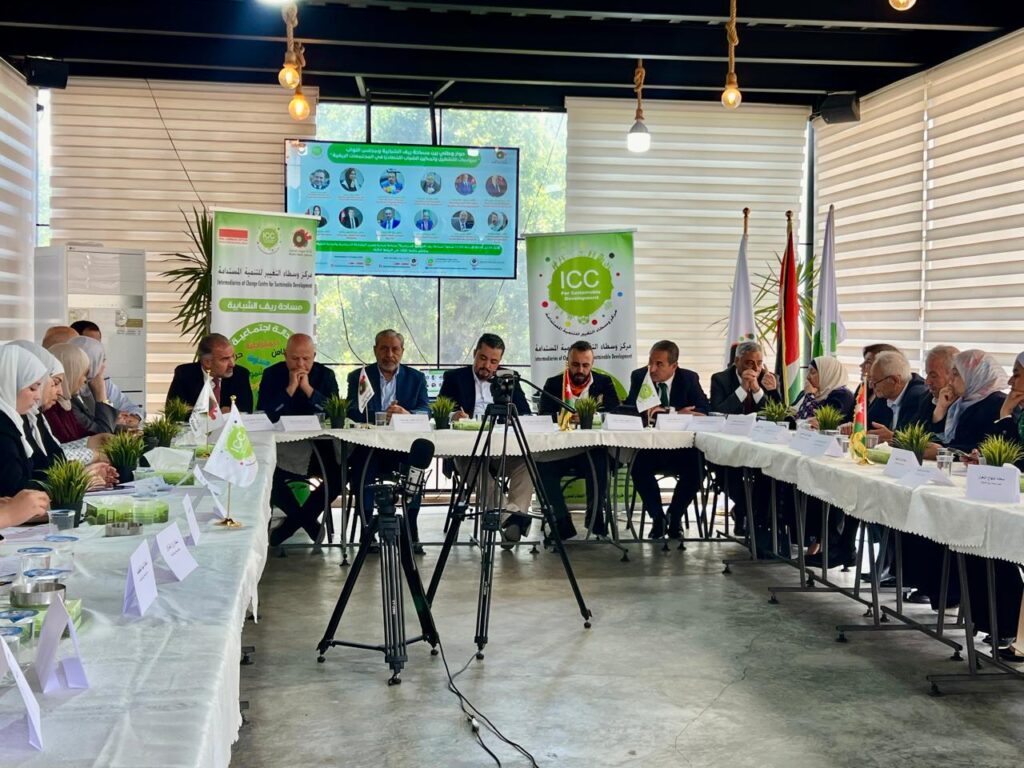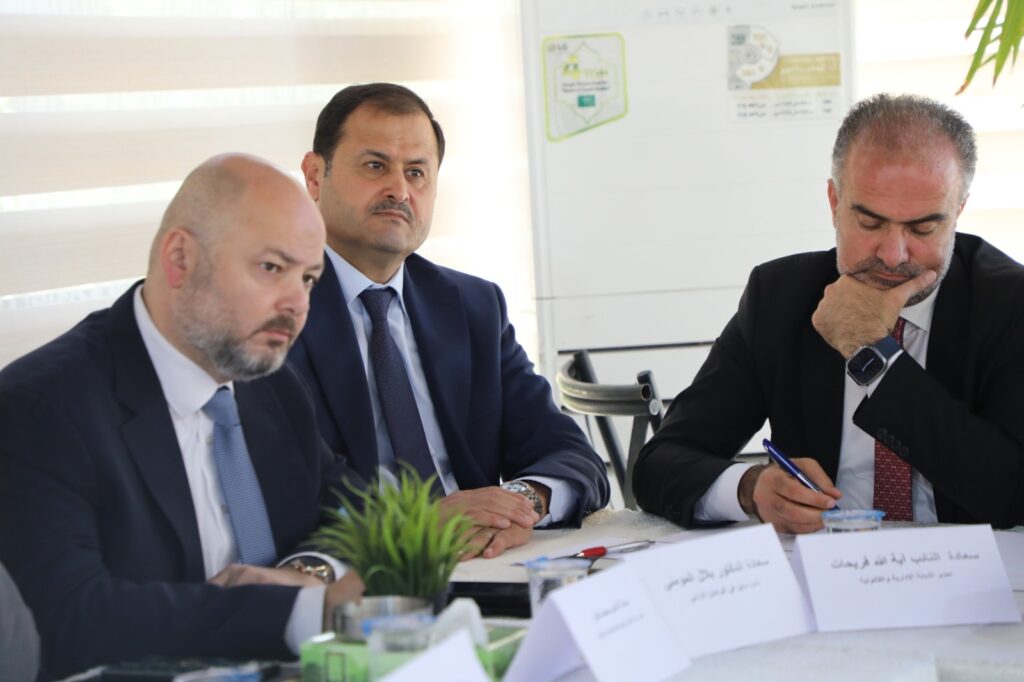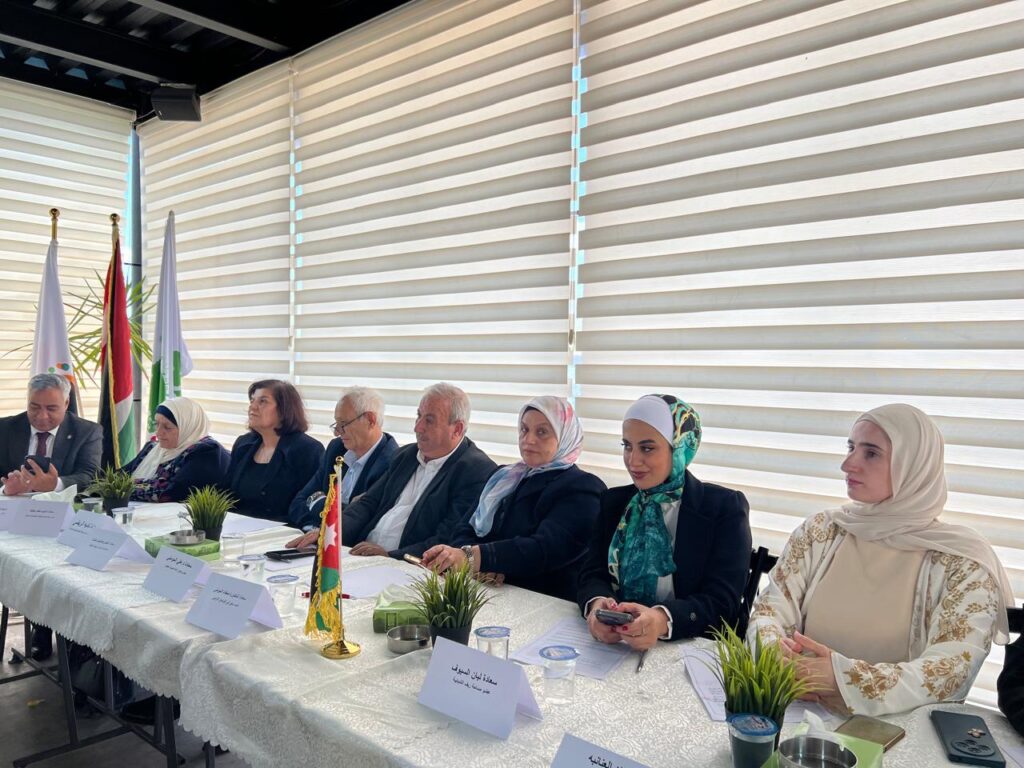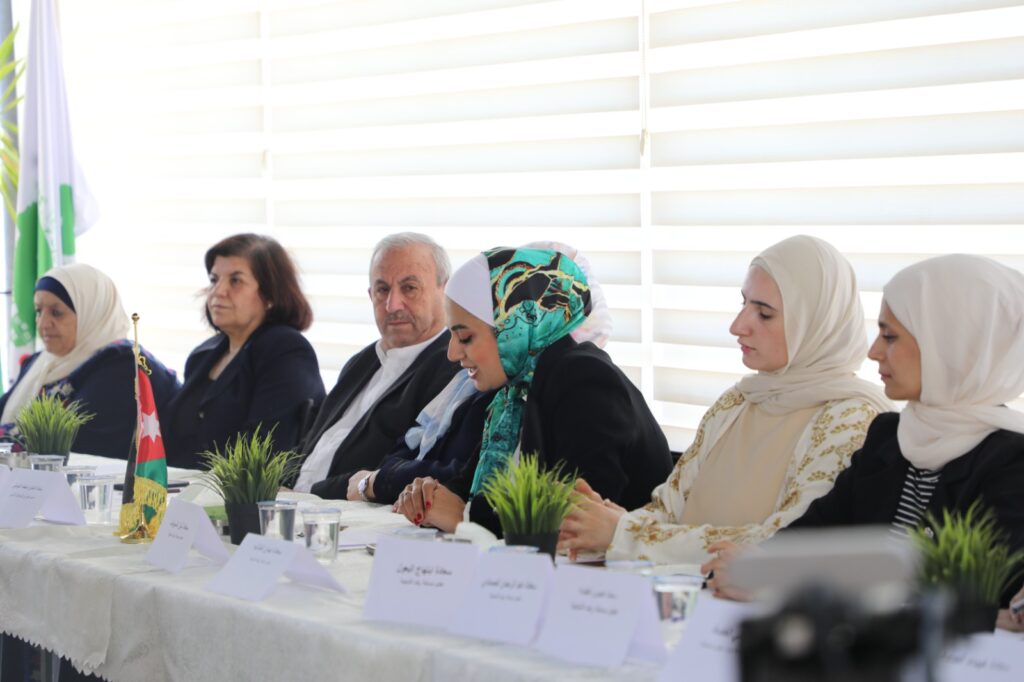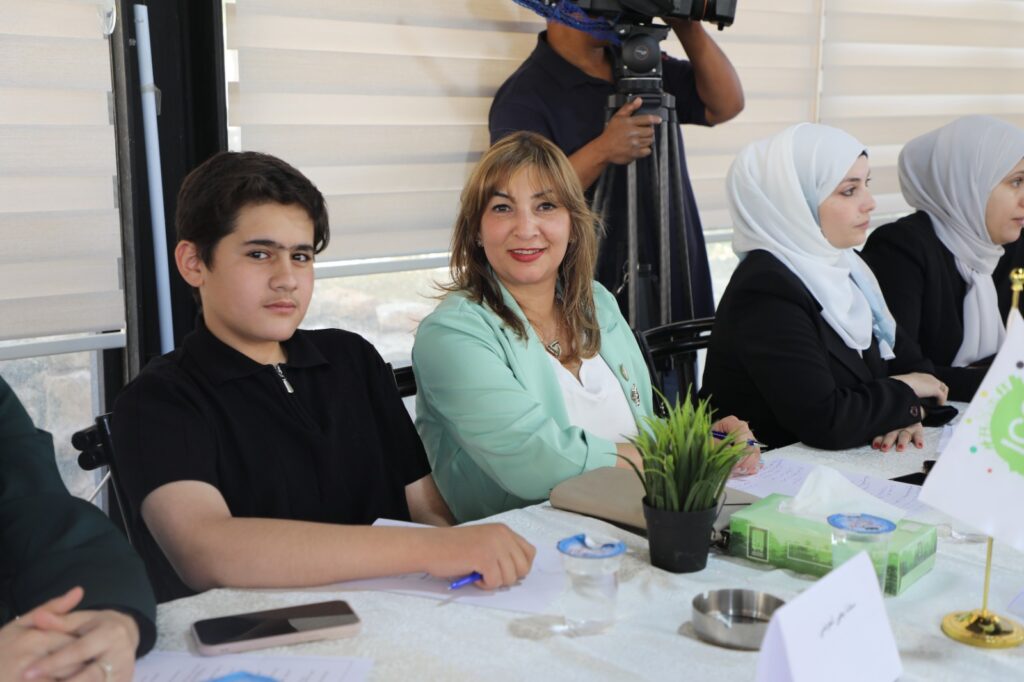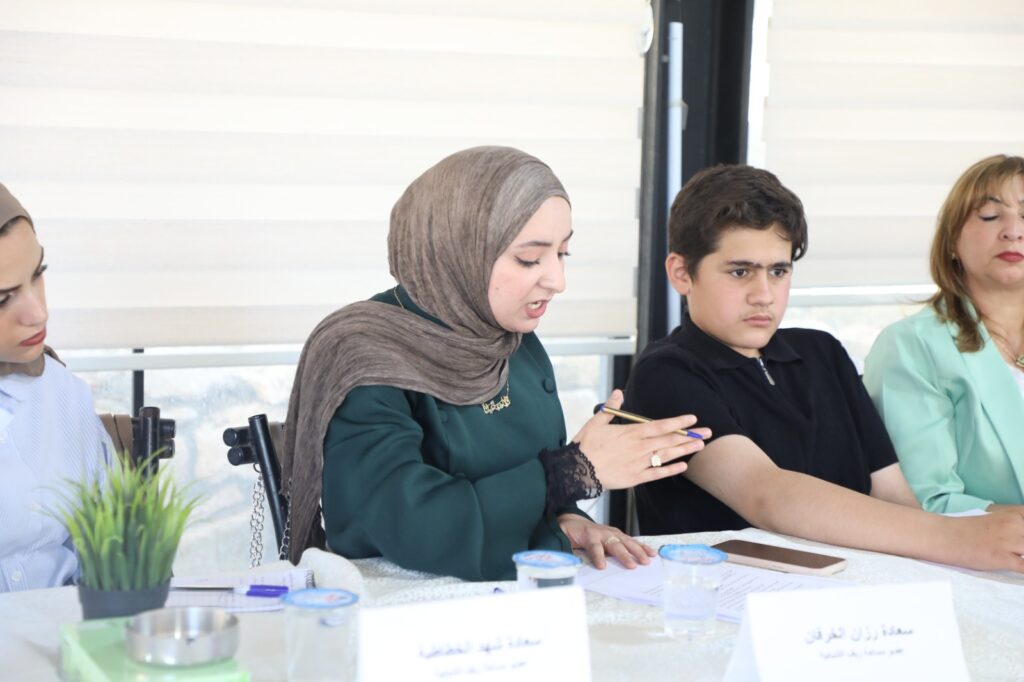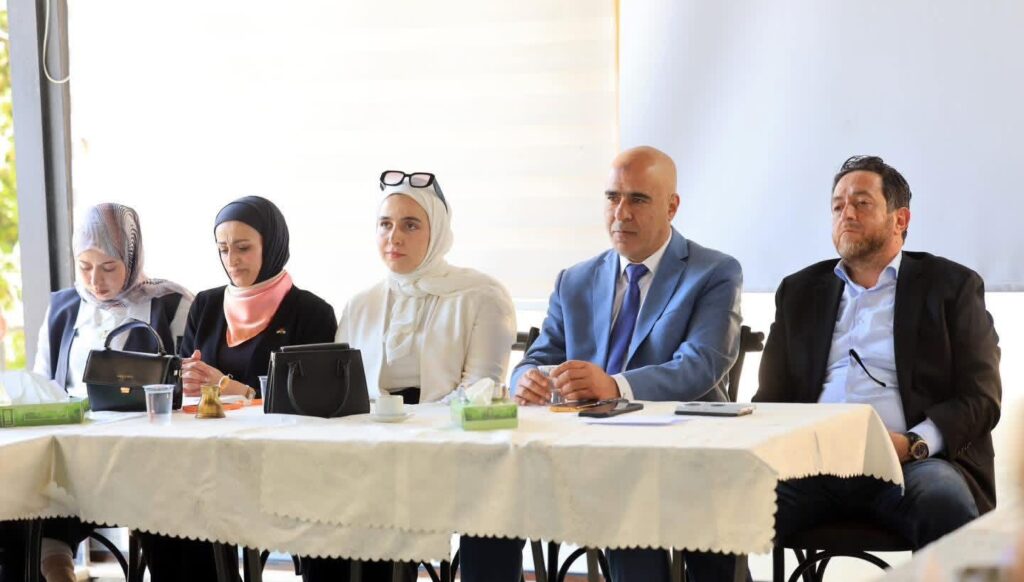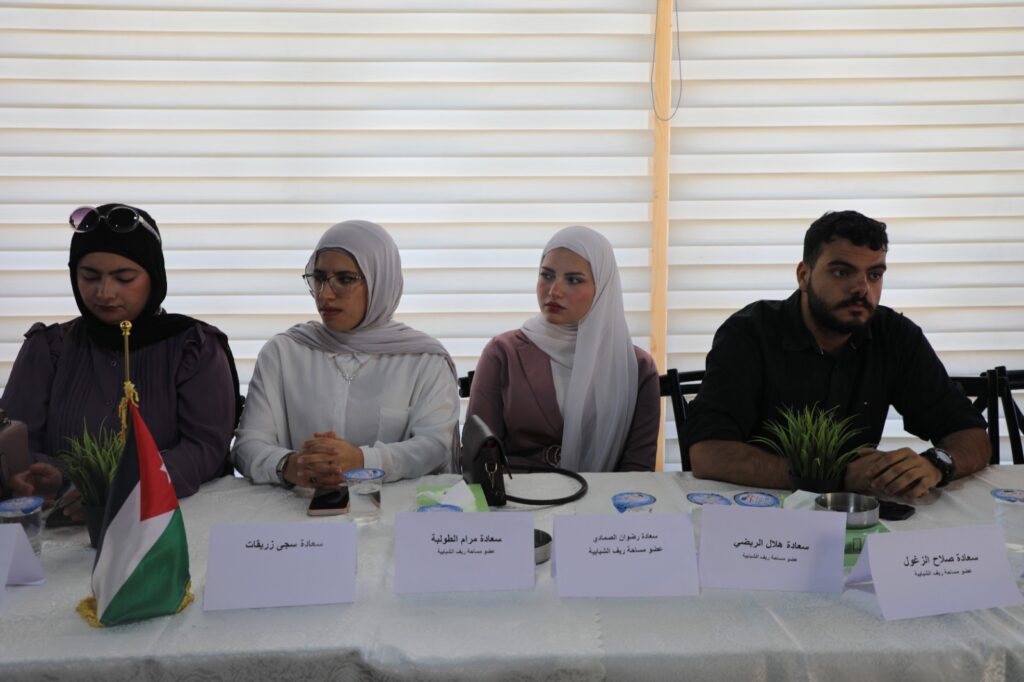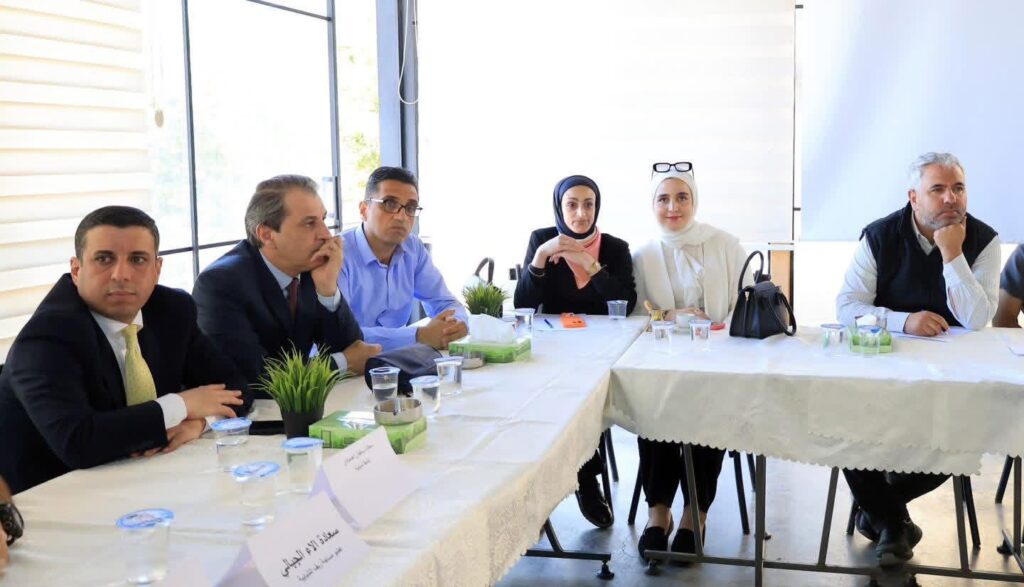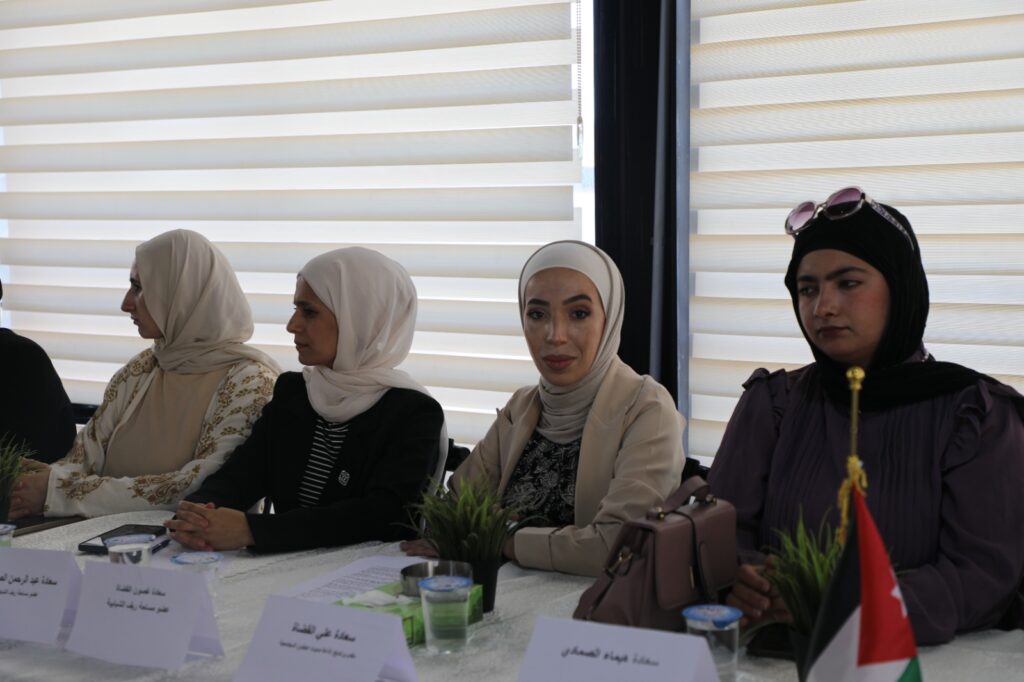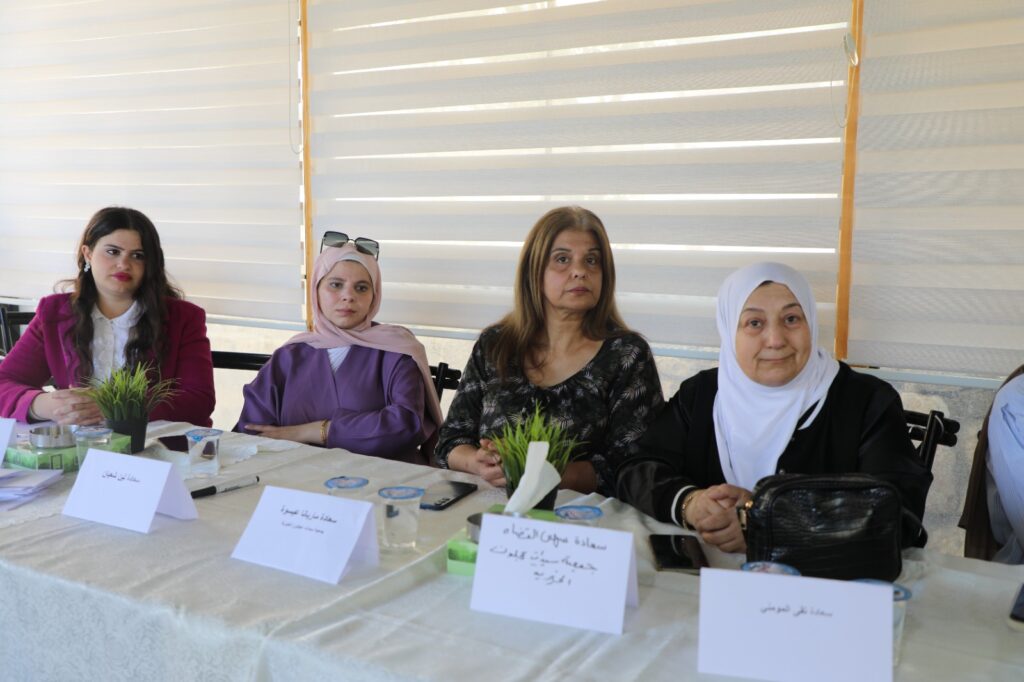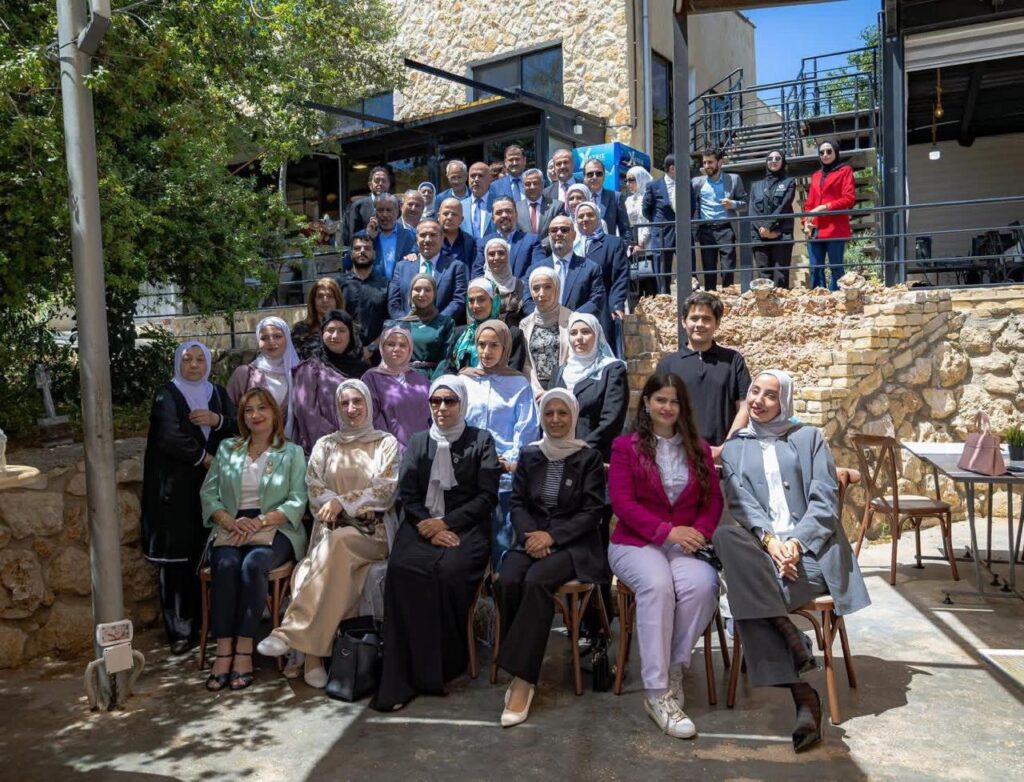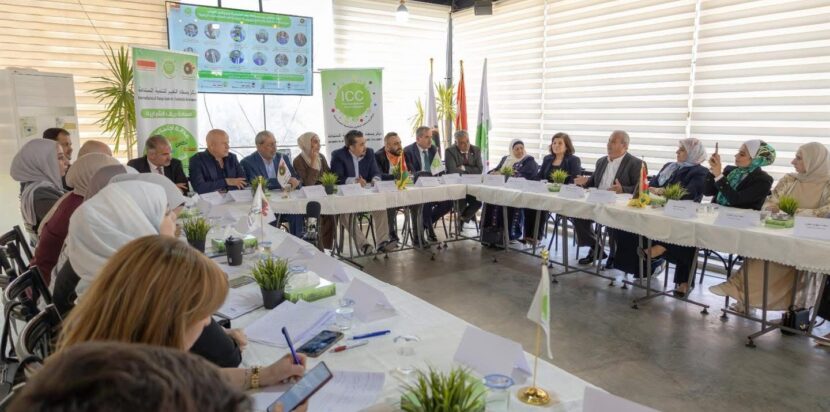
A national dialogue was held in Ajloun to discuss the challenges of the labor market and enhance economic opportunities for young people, with the participation of the Parliamentary Committee on Labor, Social Development, and Population of the Jordanian House of Representatives.
A national dialogue was held in Ajloun to discuss the challenges of the labor market and enhance economic opportunities for young people, with the participation of the Parliamentary Committee on Labor, Social Development, and Population of the Jordanian House of Representatives.
The Chair of the Parliamentary Committee on Labor, Social Development, and Population, MP Eng. Andre Hwarie, stated that aligning employment policies with rapid economic and social transformations is no longer a luxury, but an urgent necessity and a real battle in addressing the challenges of rising unemployment rates and limited job opportunities, particularly among young people in the governorates. He pointed out that Ajloun Governorate possesses unique economic, tourism, and agricultural assets that grant it a highly competitive advantage, capable of attracting major investment and development projects if properly directed. He emphasized that supporting productive, tourism, and investment projects in Ajloun would create sustainable and real job opportunities for local communities, moving beyond reliance on traditional public sector employment. He further noted that the current labor market requires a fundamental transformation in vocational and technical education and training outputs to ensure full alignment with the specific economic identity of each governorate. He concluded by affirming the Committee’s full readiness to adopt all recommendations emerging from the dialogue and to formalize them in official memoranda for serious follow-up with relevant government institutions and ministries.
The Deputy Chair of the Parliamentary Committee on Labor, MP Arwa Al-Hjaya, stated that women and youth in rural areas and remote governorates are the most affected by structural gaps and distortions in the Jordanian labor market. She emphasized that this reality requires urgent adoption of inclusive national employment policies capable of protecting these vital groups, alongside providing accessible financing channels and interest-free loans specifically designed to support their entry into the labor market and enable them to acquire productive tools. She noted that such measures are essential to ensure their dignity and achieve their economic and social independence.
The Rapporteur of the Parliamentary Committee on Labor, MP Talal Al-Nsour, stressed that the era of drafting legislation and public policies from closed rooms and air-conditioned offices has definitively ended, emphasizing the need for decision-makers to engage directly with young people in the field to genuinely listen to their needs and demands. He pointed out that entrepreneurship, innovation, and self-reliance are the true and remaining keys to generating sustainable and new job opportunities capable of reducing the ongoing burden on government and public sector employment, which can no longer absorb additional job seekers.
The Member of the Parliamentary Committee on Labor, MP Abdulrahman Al-Awaisha, stated that addressing the growing unemployment crisis requires a comprehensive review of the current investment environment in the governorates. He emphasized the need to immediately facilitate the system of incentives and tax exemptions granted to large companies and factories, on the condition that these entities are legally obliged to employ high percentages of local community members in their surrounding areas. He also stressed the importance of providing a safe, stable, and worker-friendly environment that ensures job retention and career growth for employees.
The Member of the Parliamentary Committee on Labor, MP Dr. Jamil Al-Dahisat, stated that strengthening the national response to poverty and unemployment begins fundamentally with a comprehensive reform of the education system. He emphasized the need to focus intensively on practical life skills and advanced digital competencies that are increasingly required by modern markets and global companies. He also called on families and young people to shift prevailing societal attitudes and to consciously pursue technical, vocational, and artificial intelligence-related specializations that meet the real development needs of the governorates.
The Member of the Parliamentary Committee on Labor, MP Shifa Sawan, stated that protecting workers’ rights, ensuring decent and fair working conditions, and guaranteeing the inclusion of all employees in social security and health insurance coverage are fundamental pillars for attracting and motivating young people to move toward the private sector and small enterprises instead of waiting for government employment opportunities. She emphasized that when young people feel job security and legal protection, they are more likely to remain committed to their projects and develop them with dedication and confidence.
The Member of the Parliamentary Committee on Labor, MP Youssef Al-Rawadieh, emphasized the importance of simplifying all legislative, bureaucratic, and administrative obstacles that hinder emerging and small projects in the governorates, particularly those related to the difficulty of accessing alternative financing and the lack of continuous technical guidance. He called for linking these youth entrepreneurial projects with national and central market networks to ensure their marketing sustainability and their ability to survive and withstand ongoing economic fluctuations and challenges.
The Member of the Parliamentary Committee on Labor, MP Mohammad Kattaw, called for institutionalizing these national dialogue meetings and making them regular and continuous, to ensure that the ideas, proposals, and accumulated field experiences of young people are transformed into clear provisions, legislative proposals, and actionable recommendations. He stressed the importance of presenting and discussing these outputs within the House of Representatives, in order to strengthen genuine participatory governance that integrates citizens into the decision-making and policymaking process
The Member of the Administrative and Legal Committee, MP Ayatollah Fraihat, stated in an intervention reflecting the governorate’s challenges that advancing Ajloun’s development requires real courage in addressing long-standing obstacles faced by young men and women in the governorate. She highlighted, in particular, the complexity of procedures for licensing small and home-based projects by municipalities and relevant authorities, stressing the need for flexible and prompt legislative amendments to the legal and administrative framework to facilitate local investment and attract capital to the region
The former MP, Dr. Bilal Al-Momani, presented an in-depth economic and political analysis of the current situation and the structural and chronic challenges facing the governorate. He emphasized that addressing the significant digital divide and the weak coordination between current training programs and the actual needs of the local labor market requires the continuous formulation of a cross-government national implementation plan. Such a plan would ensure the continuity of development programs and capital projects without interruption or disruption due to changes in officials or ministers.
Former MP Safaa Al-Momani indicated that the lack of development justice and the unequal distribution of gains between the capital, Amman, and other governorates has directly contributed to a significant rise in unemployment rates, particularly among women in the governorates and female university graduates, which calls for launching targeted employment programs and dedicated development funds aimed entirely at empowering rural women economically and socially and protecting their emerging projects from the risk of failure or closure, while also pointing to Ajloun’s competitive economic, tourism, and environmental identity that requires directing major investments to support rural tourism and environmentally friendly projects and finding practical solutions to transportation and infrastructure problems to generate thousands of job opportunities for the governorate’s residents.
Former MP Dr. Rida Haddad stated in his intervention that the weak systematic and well-planned marketing and promotion of Ajloun Governorate’s unique natural, environmental, and tourism competitive advantages significantly hinders the growth of the local private sector and deprives the governorate of substantial economic returns, calling for building effective and genuine partnerships between decentralization councils, municipalities, the youth sector, and civil society organizations to set municipal development priorities based on the real needs and conditions of the governorate.
Former MP Dr. Firas Al-Qudah presented a critical view of the development reality in the governorate, stressing that the lack of coordination between official bodies and the private sector has exacerbated the economic crisis. He emphasized that the solution begins with granting decentralization councils real and flexible developmental and executive powers that enable them to establish major productive projects suited to Ajloun’s geography and capable of absorbing the growing number of unemployed graduates and skilled individuals.
The Executive Director of the Intermediaries of Change Center for Sustainable Development, Suhiab Ahmad , stated that the meeting primarily aimed to elevate the level of public dialogue on employment and unemployment issues, shifting it from a phase of complaint and narrative to a more advanced level of formulating practical and immediately implementable solutions and alternatives. He explained that “Rural Space” represents an effective national model for platforms that enable young people to present practical initiatives and ensure their genuine participation in local decision-making and in setting development priorities, thereby strengthening their presence and influence in local councils, municipalities, and decentralization councils.
The Project Manager, Ahmed Abdel Qader, stated that the meeting represents a strategic milestone in the process of empowering rural youth by opening channels of communication and building direct and effective bridges with legislative and senior governmental institutions, which contributes directly to the development of programs, initiatives, and projects that are more responsive to the needs and aspirations of young people, while praising the pivotal and leading role of Sawt Ajloun Community Radio in raising public awareness and shedding media light on youth and local development issues in rural and remote communities.
The session moderator, activist Heba Allah Qurashi, representing the youth sector and the Rural Space, presented a comprehensive youth vision for an economic empowerment roadmap. This begins with reforming education and qualification pathways, followed by intensive practical and field training, and extends to financing and direct financial support. She strongly called for designing specialized training programs fully based on the actual needs of the labor market in Ajloun, and for integrating modern technologies into traditional sectors such as smart agriculture, rural tourism, and digital media. She also urged the establishment of specialized and empowering incubators and accelerators that provide technical guidance and sustainable soft financing for youth, ensuring the continuity and success of their ambitious entrepreneurial and productive projects in rural areas and governorates.
It is worth noting that the “Rural Youth Safe Space” project is implemented by the Intermediaries of Change Center for Sustainable Development in partnership with Sawt Ajloun Community Radio and in cooperation with the Rosa Luxemburg Foundation. The project aims to provide a sustainable youth space to enhance civic participation among young people in rural areas.