


The Pivotal Role of Jordanian Youth in Maintaining Security and Peace: A Perspective from Ajloun on UN Security Council Resolution 2250
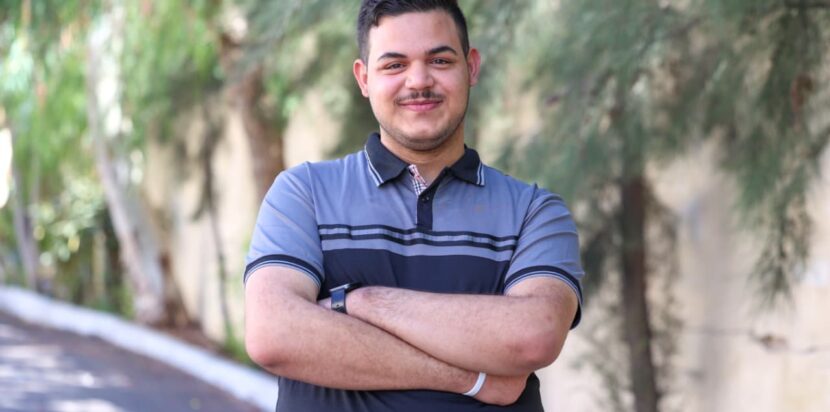
Written by: Abdulrahman Mohammed Al-Samadi – Researcher and Activist in Youth, Peace, and Security Affairs.
International peace and security are two fundamental pillars of human civilization. Amid complex geopolitical transformations, a firm conviction has emerged at the global level that these pillars cannot be achieved without the effective and systematic integration of the youth sector. This conviction was embodied in the unprecedented, historic resolution of United Nations Security Council Resolution 2250 of 2015 on Youth, Peace, and Security.
This resolution was not merely a diplomatic recommendation, but rather a binding framework and a strategic necessity aimed at redefining the relationship between youth and the global security architecture. It explicitly recognizes that youth (who constitute the largest percentage of the world’s population) are a driving force for positive change, and that their marginalization represents a security risk that exacerbates conflict and extremism.
First: Resolution 2250: An International Framework for Youth Participation
Resolution 2250 represents a pivotal document in international law, as it focuses, for the first time, comprehensively on the role of youth in peacekeeping and peacebuilding. It is based on five integrated strategic axes that form the foundation of any national and regional strategy in this area:
Participation: An explicit call for youth representation in decision-making processes, from national dialogue committees to high-level peace negotiations. This axis emphasizes that participation is not a luxury right but a security requirement.
Prevention: Engaging youth as active agents in efforts to prevent conflict and violent extremism by addressing the root causes of marginalization, such as poverty, unemployment, and inequality.
Protection: Ensuring the protection of the rights of youth in conflict zones, particularly those working in peacebuilding and human rights advocacy.
Partnerships: Promoting sustainable cooperation between youth, governments, civil society, and regional organizations to share experiences and coordinate efforts.
Disarmament and Reintegration: Providing the necessary support for youth who decide to leave armed groups, to ensure their effective and sustainable social and economic integration.
Together, these axes form an international roadmap for harnessing the potential of youth and transforming it from latent energy into an effective force for maintaining stability.
Second: Jordan and Commitment to the Resolution: The National Context
Jordan is at the forefront of countries that recognize the importance of investing in youth. Jordan’s demographics are exceptionally young, which places the Kingdom before a dual responsibility: to invest this tremendous energy and direct it toward development. Jordan’s adoption of national youth strategies and the Hashemite leadership’s directives to empower them directly intersect with the spirit of Resolution 2250.
Implementing the resolution in Jordan requires moving from mere encouragement to institutional inclusion, whereby the role of youth in peace and security committees, strategic dialogues, and national planning committees becomes mandatory, not optional. Regional stability and Jordan’s national security require the involvement of this segment in addressing major challenges such as the refugee crisis, combating cybercrime, and ideological extremism.
Third: Ajloun and the Green Dimension of UNSCR 2250: Developmental Security
The Ajloun Governorate, with its lush green landscape and rich historical heritage, can provide a practical model for translating the pillars of Resolution 2250 at the local level. As Jordan’s environmental lung, Ajloun demonstrates that the concept of security and peace transcends the military dimension to encompass developmental and environmental security:
Environmental Conflict Prevention: Ajloun’s youth can be the first guardians of environmental security. Participation in water resource management, sustainable energy, and responsible ecotourism are preventative efforts that prevent competition over limited resources, a root cause of future conflicts.
Building Economic Partnerships: The governorate’s economic challenges can be transformed into opportunities by supporting youth entrepreneurial projects that focus on adding value to Ajloun’s natural products (olives, honey, and handicrafts). This economic investment is a fundamental building block for building sustainable community peace.
Participation in Local Planning: Young people like us—the people of this land—must be integrated into governorate and municipal councils to ensure that planning and development decisions are based on a deep understanding of their security and economic needs and aspirations.
Linking youth to the environment and resources in Ajloun embodies the concept of human security called for by Resolution 2250, where security becomes not only the protection of borders, but also the protection of livelihoods and the future.
Conclusion: Towards Activating Commitment
Security Council Resolution 2250 is an exceptional opportunity to review national strategies and raise the bar for youth aspirations. It is an explicit call to governments and international institutions to invest in a generation capable of leading the future.
As a citizen of Ajloun, I affirm that Jordan’s youth are ready to shoulder the responsibility of partnership in building security and peace, provided they are provided with the necessary tools and platforms. Fulfilling the requirements of Resolution 2250 is not a charitable act; it is a wise strategy and a historic responsibility to ensure the stability and prosperity of the region.
🗣️ إخلاء المسؤولية: "إن محتوى هذا المنشور هو ضمن مسؤولية كتاب المدونة او المقال ولا يعكس بالضرورة موقف مركز وسطاء التغيير للتنمية المستدامة واذاعة صوت عجلون المجتمعية. جميع الحقوق محفوظة © يحظر استخدام أي جزء من محتوى هذا الموقع أو نسخه أو إعادة نشره أو نقله، كليًا أو جزئيًا، بأي وسيلة كانت، دون الحصول على إذن خطي مسبق من مركز وسطاء التغيير للتنمية المستدامة و/أو إذاعة صوت عجلون المجتمعية، وتحت طائلة المساءلة القانونية. ويُستثنى من ذلك الاستخدام الذي يتضمن الإشارة الصريحة والواضحة إلى المصدر.

Comments are closed