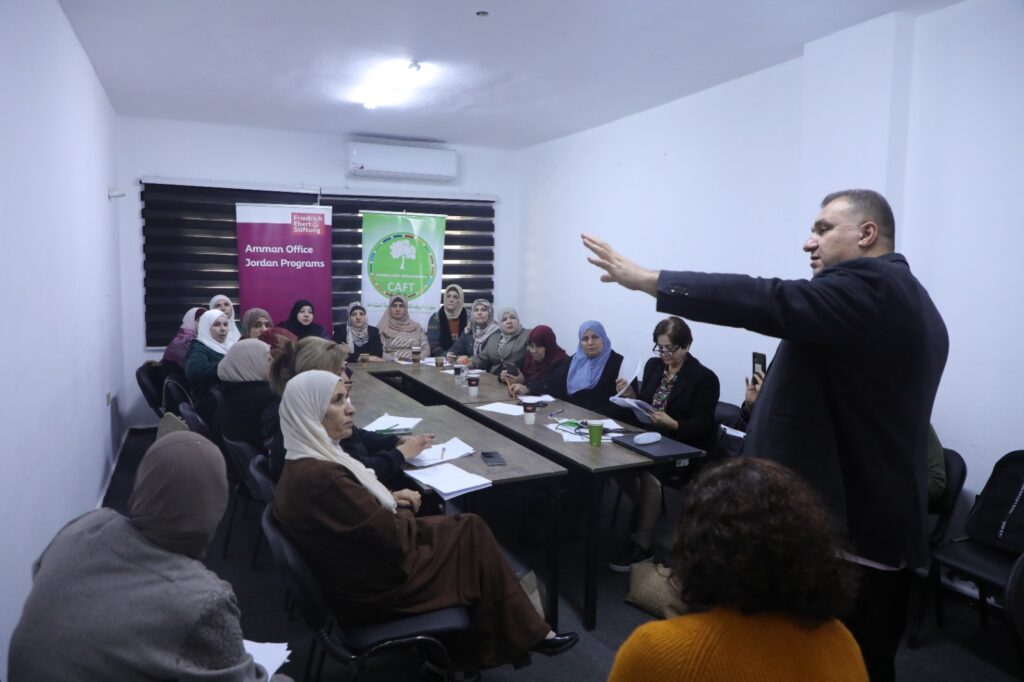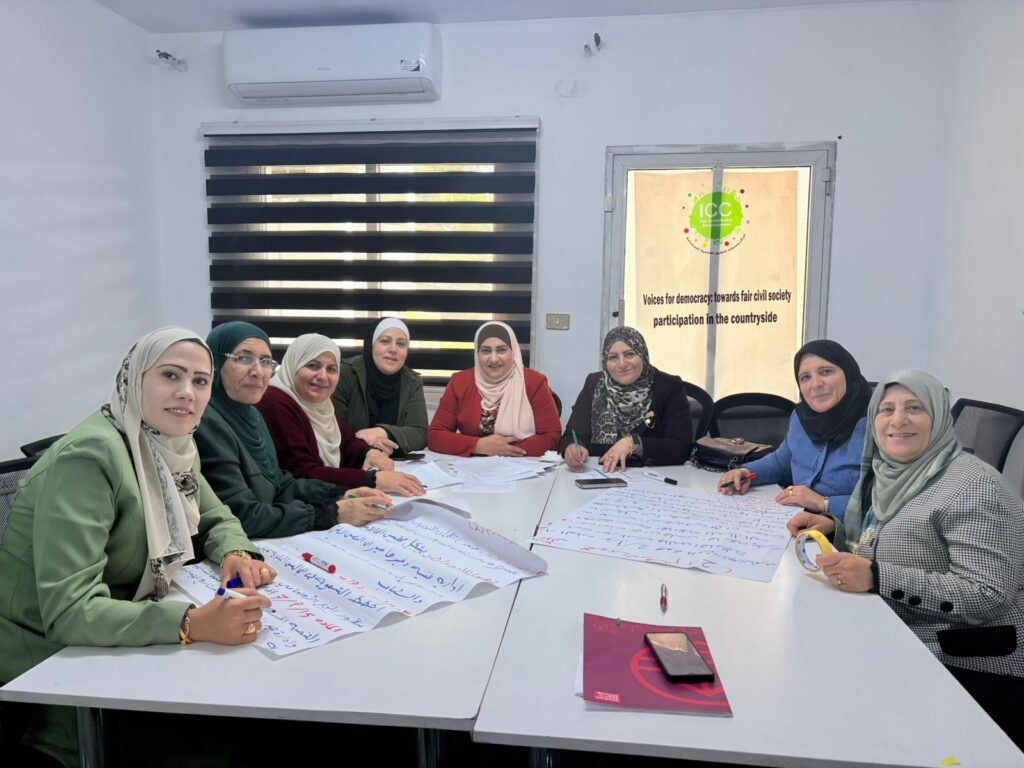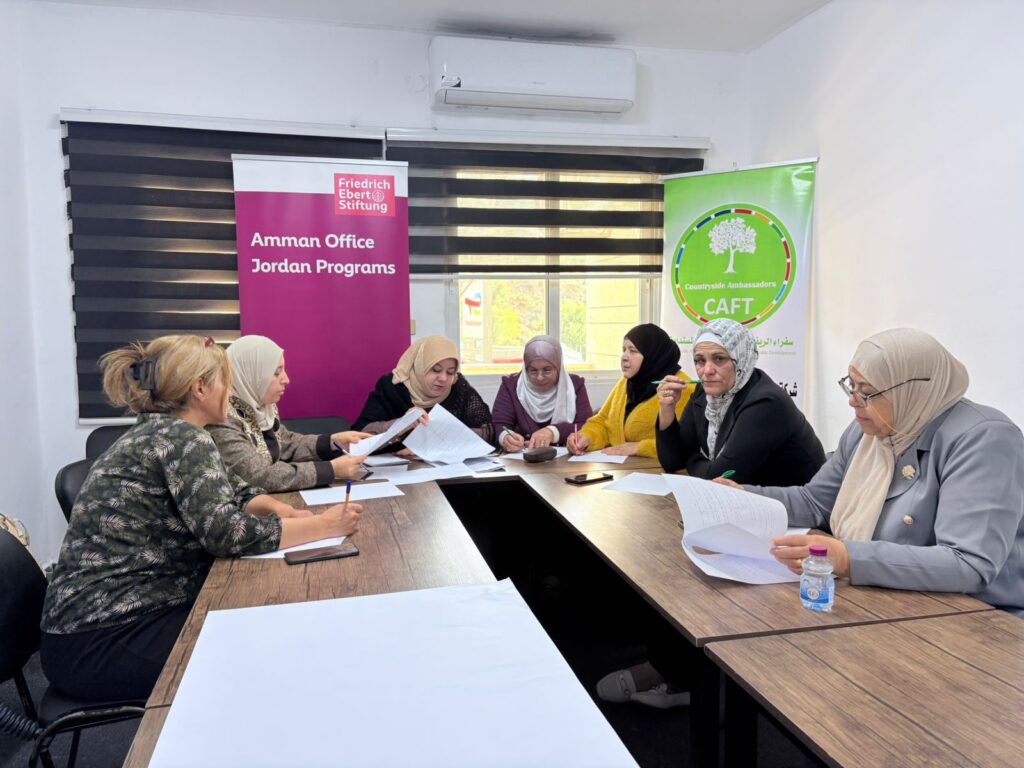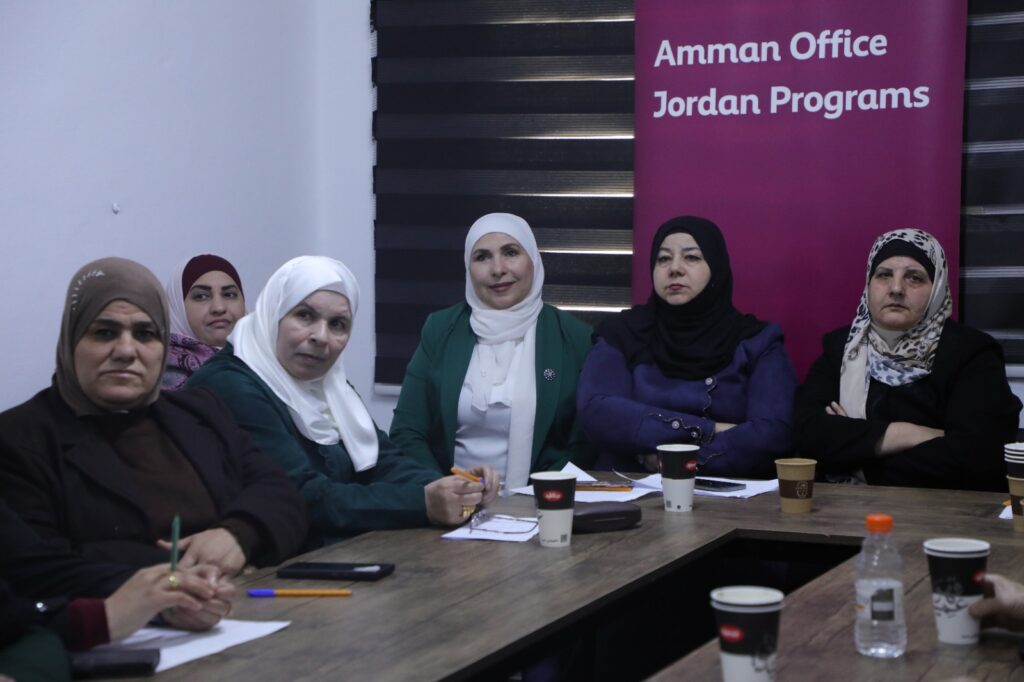
The “Digital Advocacy” training for members of the Rural Women’s Forum “Equal Movement” has concluded.
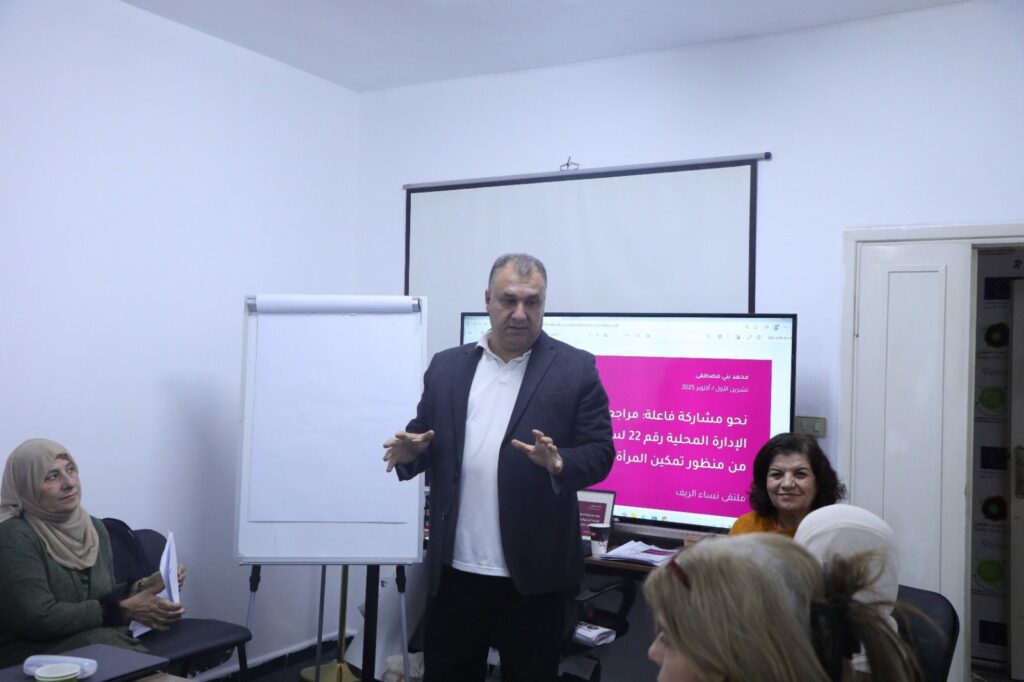
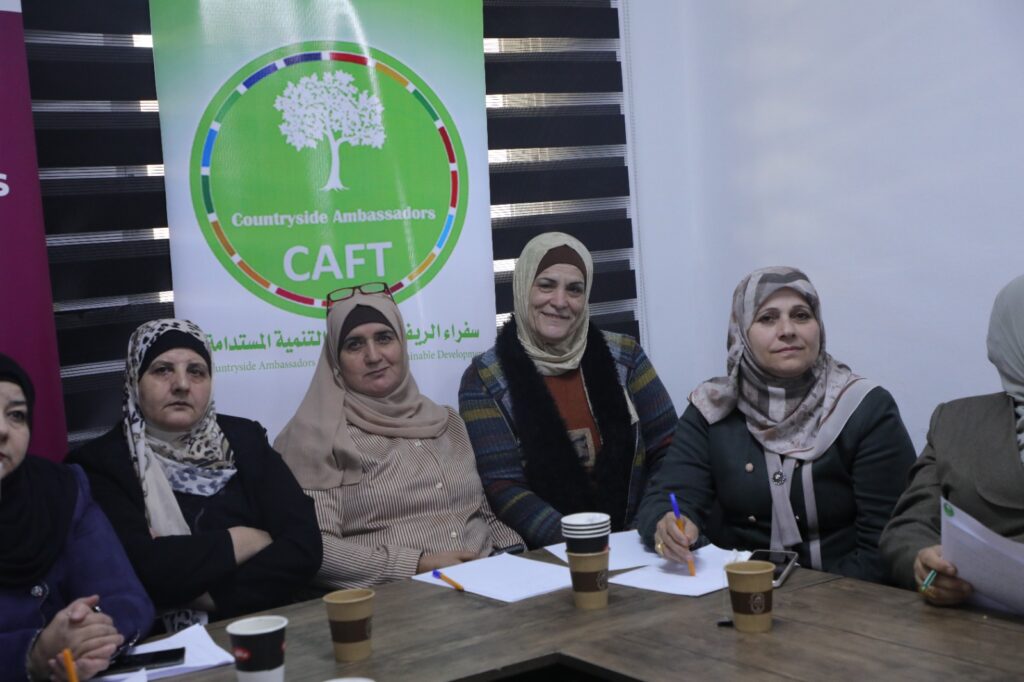
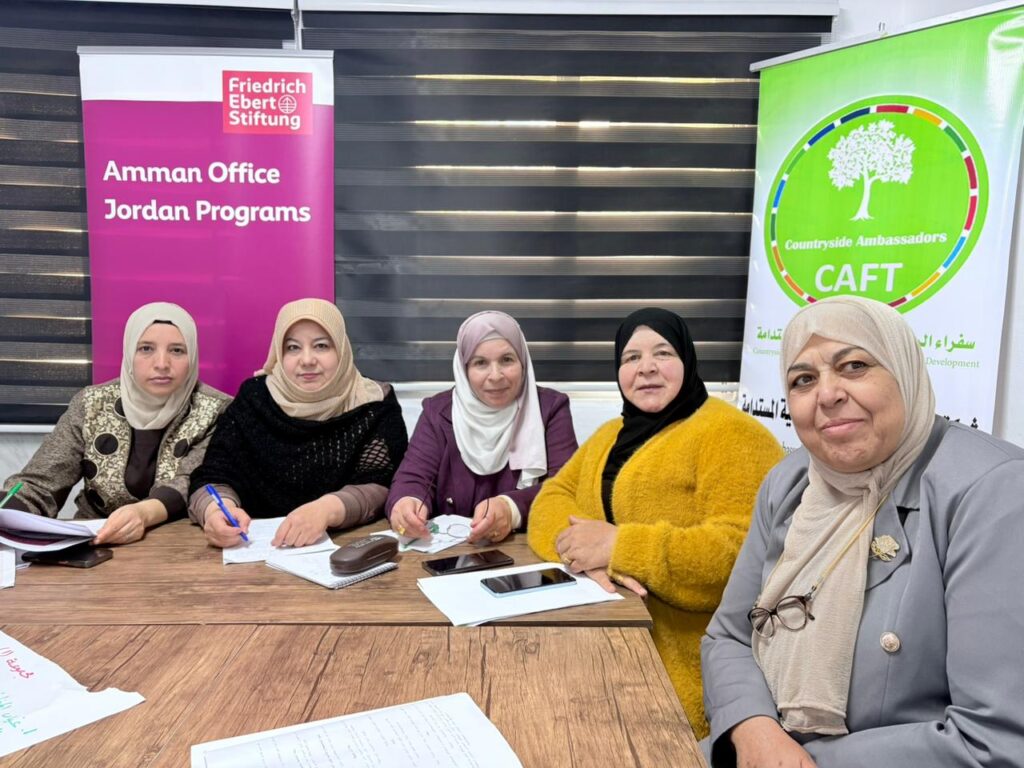
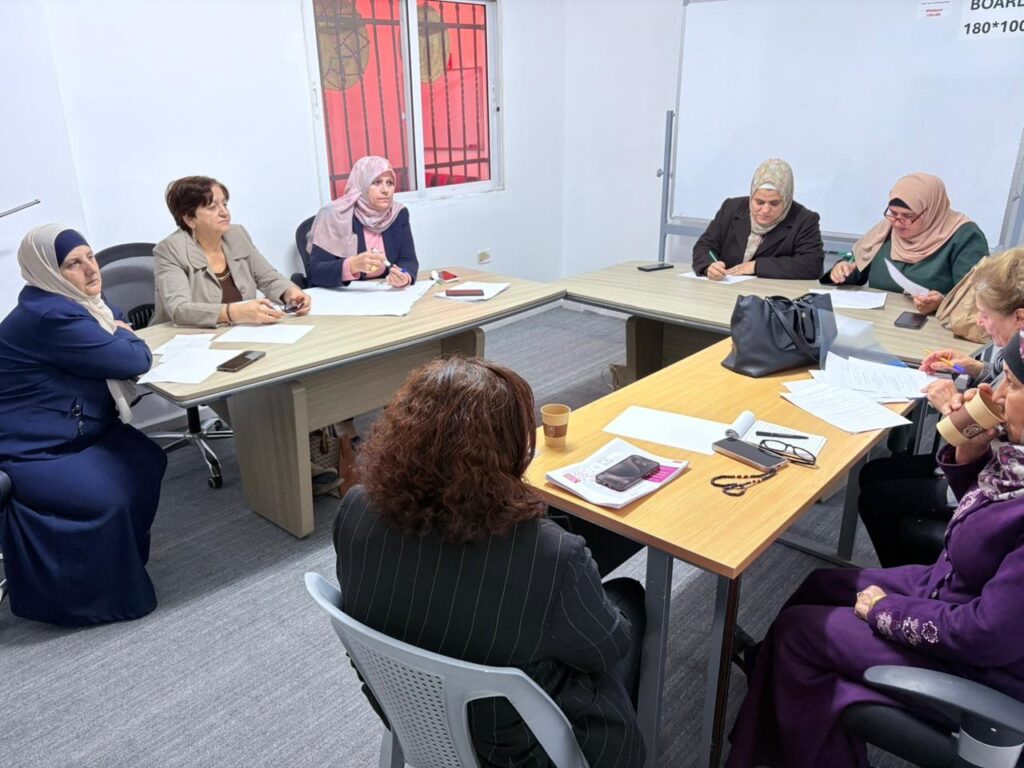
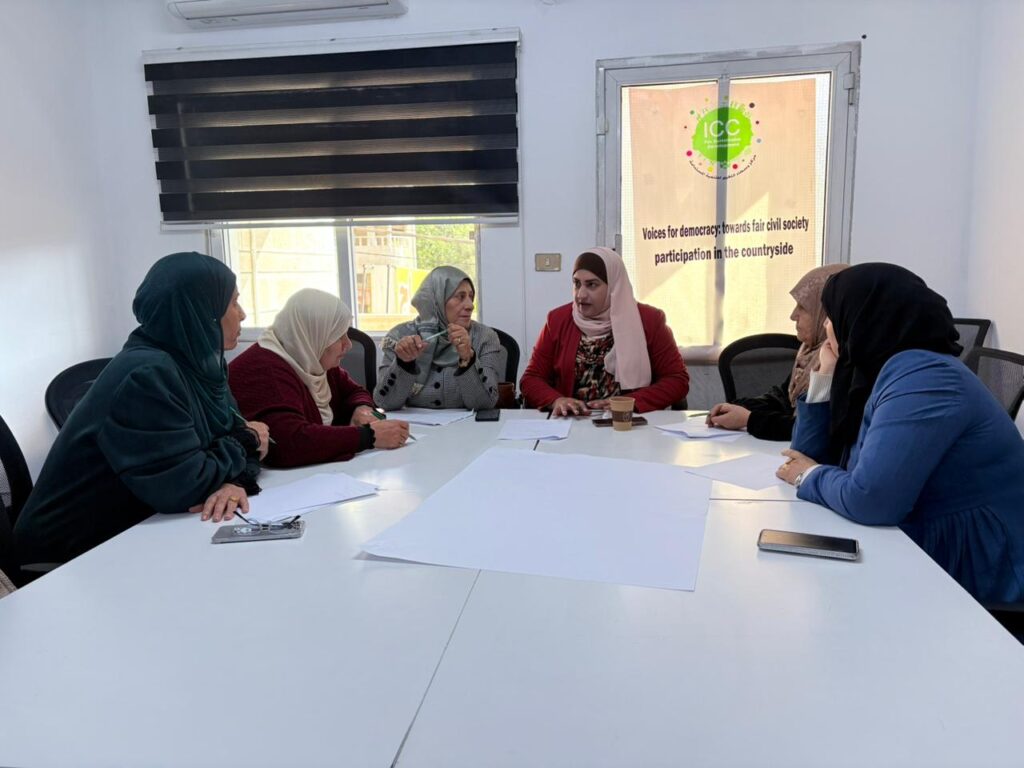
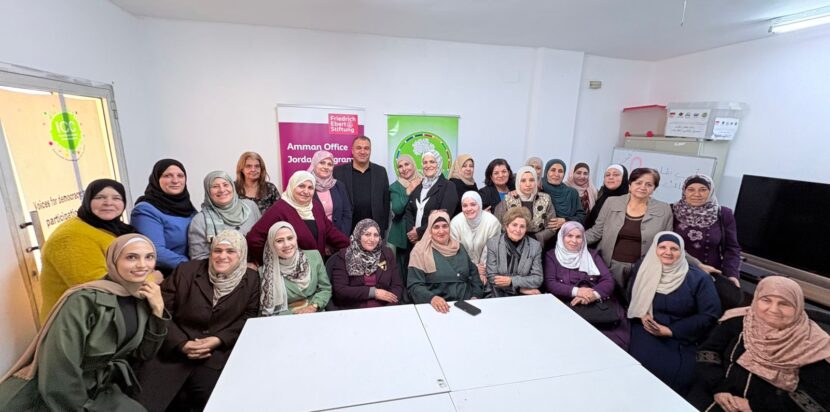
Today, a specialized training program on “Digital Advocacy” for the Rural Women’s Forum for Inclusive Local Governance – Amendment to the Local Administration Law of 2021 concluded. The two-day training was attended by 25 members of the forum in Ajloun Governorate, through which the members acquired skills and tactics for advocacy through digital tools and means, including video, images, narratives, and gender films. These skills will contribute to improving the women’s ability to lead and implement a digital advocacy campaign during the coming period towards more reforms that support and enhance women’s participation in assuming leadership positions within municipal and decentralized councils.
Policy expert Mohammed Bani Mustafa, who oversaw the implementation of the training, pointed out that the forum members were able, during the training, to understand the mechanisms of digital advocacy and how to employ short digital videos as an effective tool to gain support, in addition to developing their skills in producing content and delivering impactful messages to the public and decision-makers. He added that the training is a key milestone in the digital campaign related to the policy paper prepared by the participants during the past period, which aims to support the required amendments to the Local Administration Law of 2021 to ensure more inclusive local governance that is sensitive to the needs of women in rural areas.
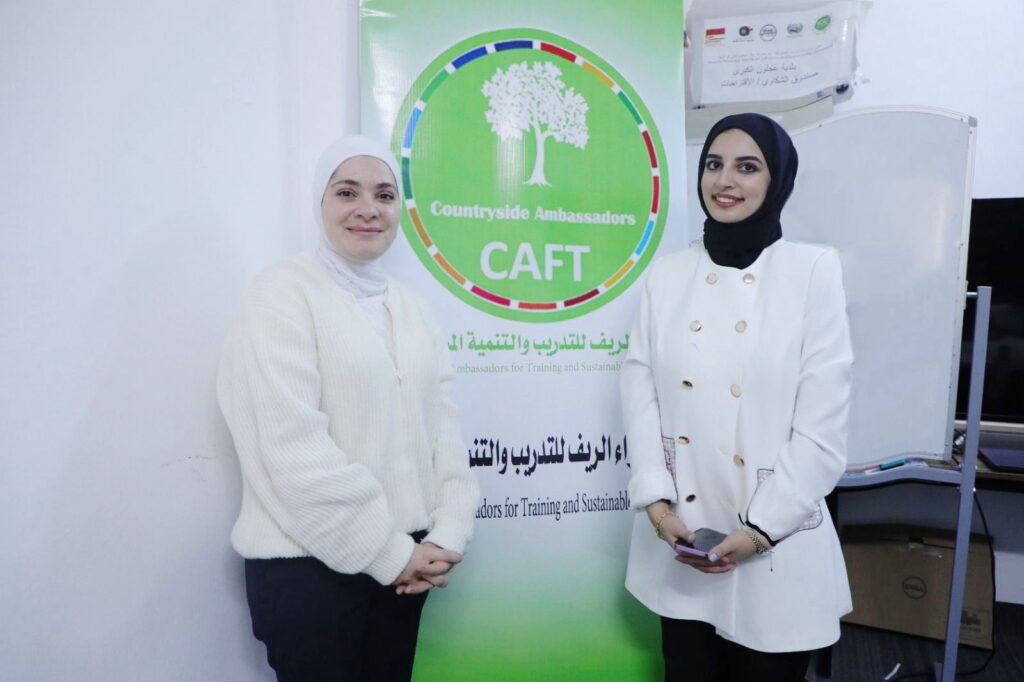
The representative of the Friedrich Ebert Foundation, Shifa Abu Samra, praised the role of the members of the Rural Women’s Forum in adopting the issues of women and young women in rural communities and the importance of striving towards preparing a creative plan to implement a media and digital campaign through which women manage public discussions via social media and media platforms towards gaining more support and solidarity to demand real reforms that support the representation of more women in municipal councils and decentralization in the new local administration law.
Lana Al-Momani, coordinator of the Rural Women’s Forum, emphasized that the training provided members with the opportunity to learn new practical and effective skills and tools that will contribute to the implementation of their digital campaign with confidence and effectiveness. She added that the use of videos will be a key focus in conveying messages related to the importance of amending the law and achieving fair participation for women in managing local affairs through real positions. The digital campaign is scheduled to launch directly during this year and will continue during the next year in conjunction with the reforms and amendments that the government is making to the Local Administration Law.
In his opening remarks, the Executive Director of Intermediaries of Change Center for Sustainable Development , Suhaib Ahmad Rababa’a, affirmed that empowering women in rural communities constitutes a national and ethical commitment that aligns with human rights principles and international standards for comprehensive development. He stated that the Rural Women’s Forum, “An Equal Movement in the Countryside,” works to institutionalize rural feminist action by building a rights movement led by rural women and girls, which adopts their issues and develops interventions that promote justice and gender equality. He added that the activities implemented this year, including priority analysis and recommendation formulation sessions, review of election and local administration laws, advocacy and lobbying tactics training, in addition to the digital videos produced by the Forum, are strategic tools to support efforts to defend the rights of rural women in light of the exclusion, deprivation, and discrimination they face. These activities have contributed to the formulation of a reformist policy paper that promotes fair representation and participation of women in leadership positions and local decision-making. He also announced that they are about to announce a high-level national conference to be held next month, which will serve as a national dialogue platform bringing together decision-makers, government representatives, and women’s organizations. To discuss the policy paper’s recommendations and align them with the needs of rural communities, thereby enhancing the presence of rural women’s voices in decision-making processes and embodying a firm commitment to the values of justice, sustainable development, and the national and international women’s rights agenda.