


From vision to implementation: Parties investing in youth for a promising political future
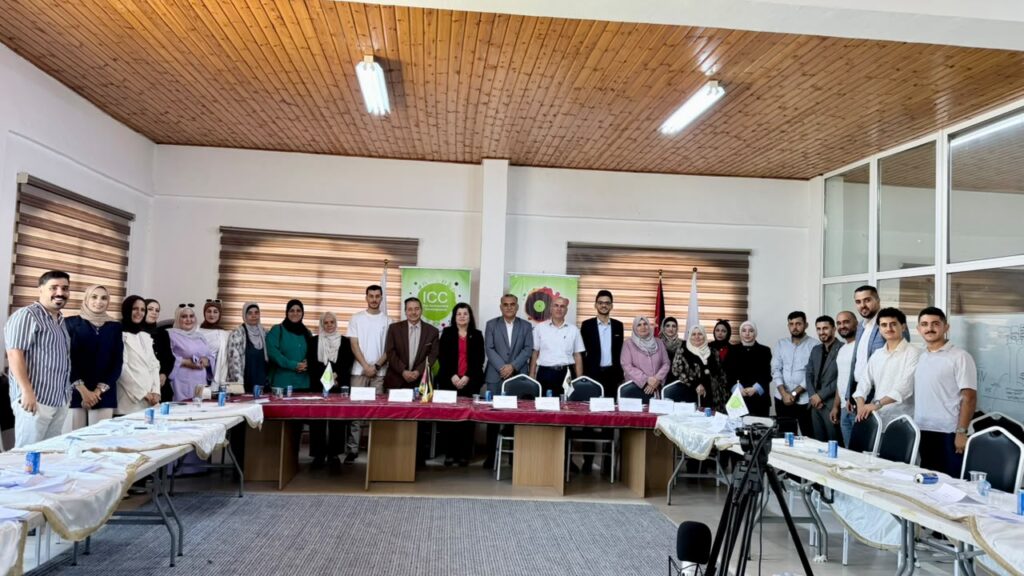
The Intermediaries of Change Center for Sustainable Development, in cooperation with Sawt Ajloun Community Radio and with the support of the King Abdullah II Fund for Development, implemented the project “From Vision to Implementation: Investing in Youth by Political Parties for a Promising Political Future,” in line with the Political Modernization Vision. The project aimed to encourage youth from rural areas in Ajloun and representatives of political parties to support opportunities for young people to assume leadership roles and actively participate in political and party dialogues. This was achieved by providing a multi-stakeholder platform for political dialogue, through which young people expressed their aspirations, demands, and priorities directly to policymakers, party representatives, and established political figures. This contributed to building trust and mutual understanding around development priorities from a youth perspective, while recognizing young people as active political leaders.
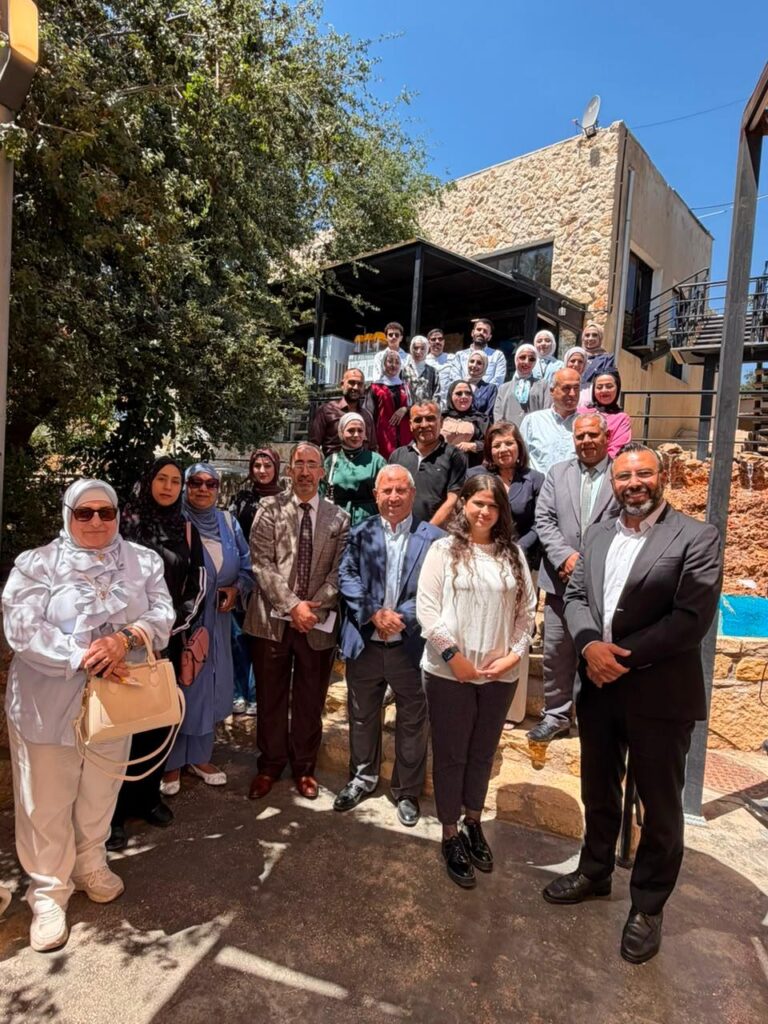
The project targeted young men and women from various rural communities in Ajloun Governorate, forming a Youth Leadership Team, through a training program that combined capacity building, specialized training, fieldwork, and the development of a recommendations paper, leading to direct political dialogues with decision-makers and stakeholders. This approach strengthened the role of youth in their local communities. The training targeted young men and women from rural areas in Ajloun Governorate, with a focus on ensuring diversity and inclusiveness in participation. The participants included:
19 participants = 15 young leaders + 3 staff members (Project Manager, Executive Director, and Communications & Media Coordinator) + the trainer. 8 young men and women affiliated with political parties (3 male, 5 female).
Seven independent young men and women with no party affiliation (4 men, 3 women).
The target group also included a participant with a disability, reflecting the project’s commitment to the principles of inclusion and equal opportunities.
The total number of participants is 15 (8 females, 7 males).
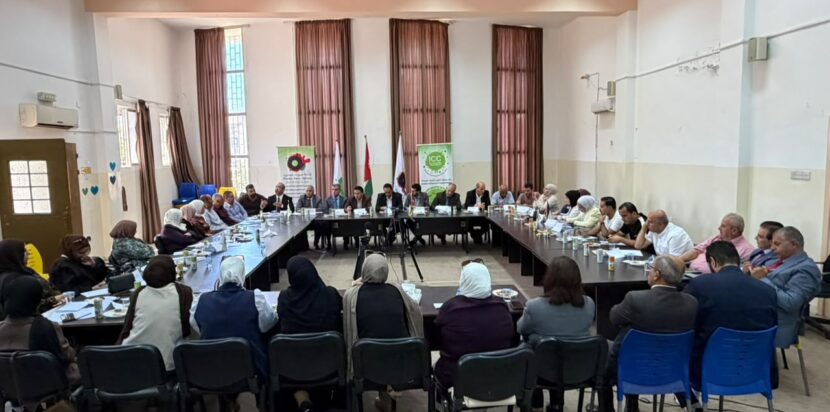
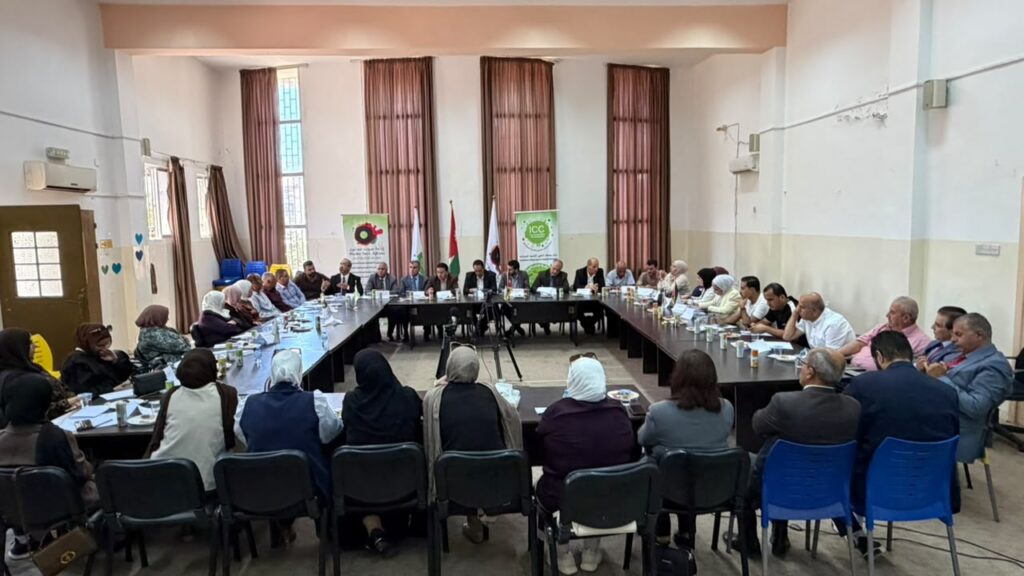
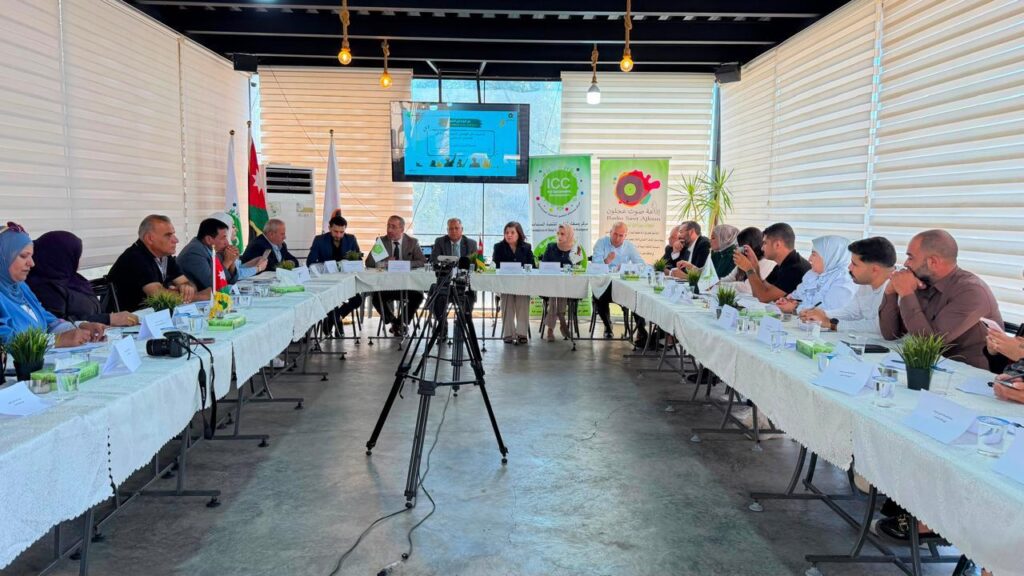
The project included the implementation of three local political dialogues across three municipalities in Ajloun Governorate: Greater Ajloun Municipality, Al-Junaid Municipality, and New Kafr Naja Municipality, bringing together a total of 135 rural youth, political party representatives, and local leaders at the level of local administration and governorate councils, with the participation of a range of stakeholders. The sessions aimed to provide an open space for young people to present their economic, political, and social priorities and aspirations, while strengthening direct dialogue between youth, political forces, and decision-makers.
Nine representatives from political parties, municipal and decentralization leaders, youth, local community members, and civil society participated in the first panel discussion; the total number of participants was 40 (18 men and 22 women).
Nine representatives participated in the second panel discussion, including political party members, leaders from the municipal and decentralization sectors, youth, local community members, and civil society representatives.
Total: 60 (28 males, 32 females)
Nine representatives participated in the third dialogue session, including political party members, leaders from the municipal and decentralization sectors, youth, local community members, and civil society representatives.
Total: 35 (14 males, 21 females)
The project sought to:
· Enhancing rural youth’s understanding of multipartyism and intellectual and political diversity within political and party life.
· Empowering youth and women to participate effectively in political and party life.
· Formulating clear youth demands and recommendations that reflect the priorities of rural communities, in alignment with the political modernization vision.
· Establishing sustainable communication channels and partnerships among youth, political parties, and decision-making institutions.
· Preparing youth leaders capable of contributing to the processes of political modernization, development, and decision-making.
To enhance outreach to broader segments of youth in local and national communities, promote values of political participation and dialogue, expand engagement with the project’s outcomes, and ensure the continuity of discussions beyond the events themselves, the “Agents of Change Center for Sustainable Development”—through the “Voice of Ajloun” community radio station—focused on media coverage of project activities. This included drafting and publishing press releases, producing Reels and photos, and documenting the activities, thereby helping to reach target groups, highlight project outcomes, and convey project messages to thousands of listeners locally and nationally. These efforts encouraged more young people to engage in party and political work by learning from shared experiences and digitally documenting project outcomes for future use, while also reinforcing the role of community media in supporting political modernization processes.

Comments are closed