


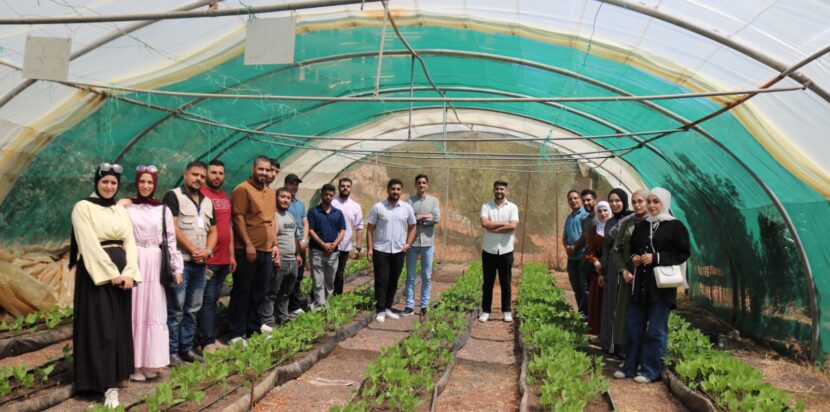
Field School for Modern and Sustainable Agricultural Techniques
The Field School for Modern and Sustainable Agricultural Technologies is a practical training program launched by the Intermediaries of Change Center for Sustainable Development (ICC) and Sawt Ajloun Community Radio, in cooperation with the Ajloun Directorate of Agriculture, with the aim of developing the knowledge and skills of youth and farmers in modern and sustainable agricultural technologies and practices.
The Field School seeks to bridge theoretical knowledge with practical field application, enabling participants to learn about modern agricultural methods and technologies that contribute to improving agricultural production, increasing the efficiency of water and natural resource use, adapting to the impacts of climate change, and promoting the transition of rural communities toward smart and sustainable agriculture. The Field School primarily targets youth, farmers, and those interested in the agricultural sector in Ajloun Governorate and rural areas, with a focus on developing practical skills and linking agricultural knowledge to economic opportunities and productive projects.
School Objectives
The field school focuses on building participants’ capacities and empowering them to:
- Learning about the latest modern and smart agricultural practices and technologies.
- Promoting sustainable and eco-friendly agricultural practices.
- Improving agricultural production efficiency and reducing waste and costs.
- Optimal use of water and natural resources.
- Identifying methods for adapting to the impacts of climate change in the agricultural sector.
- Applying modern technologies to agricultural operations and production.
- Developing the practical skills necessary for managing agricultural projects and activities.
- Encouraging youth to innovate and engage in entrepreneurship within the agricultural sector.
- Enhancing the capacity of rural communities to develop sustainable productive projects.
Training Methodology
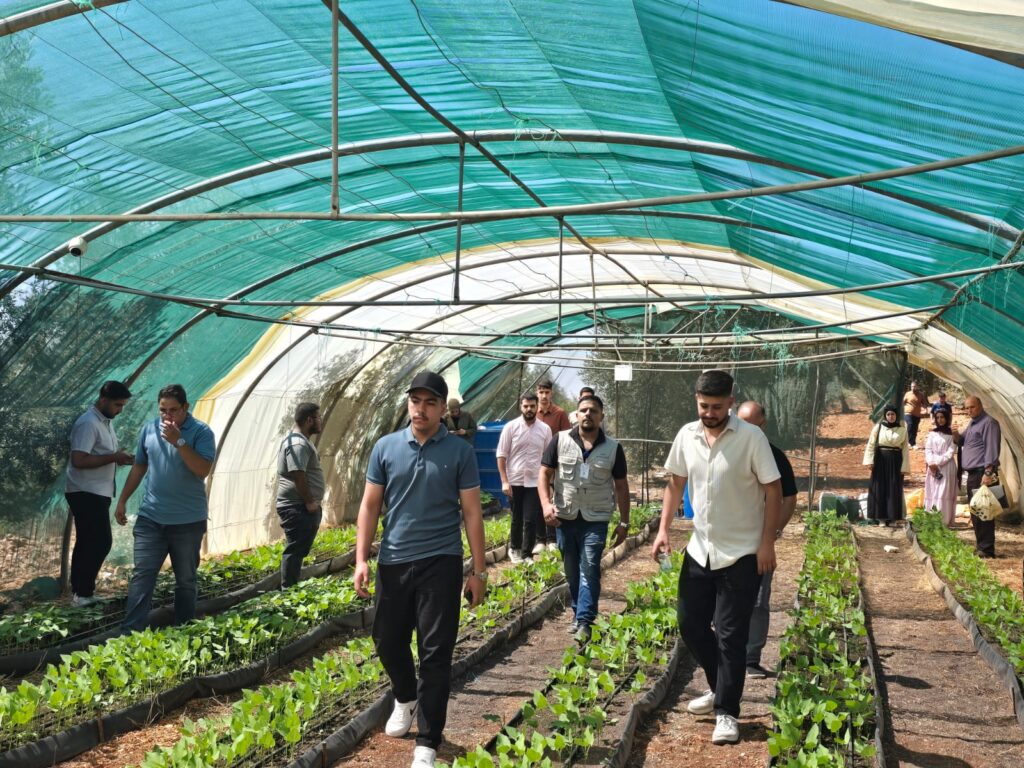
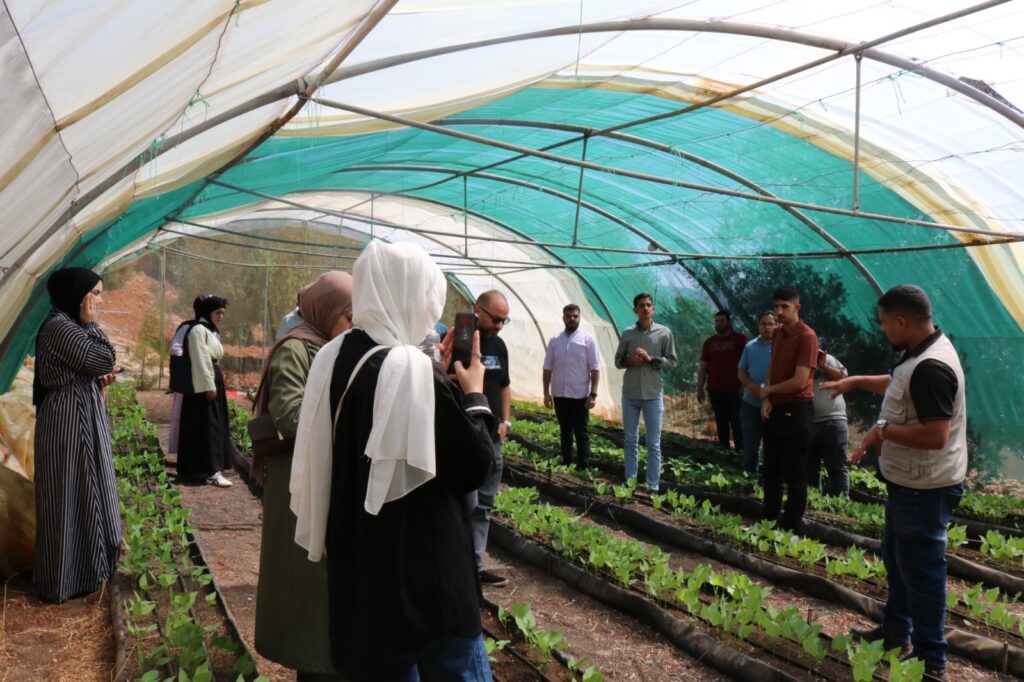
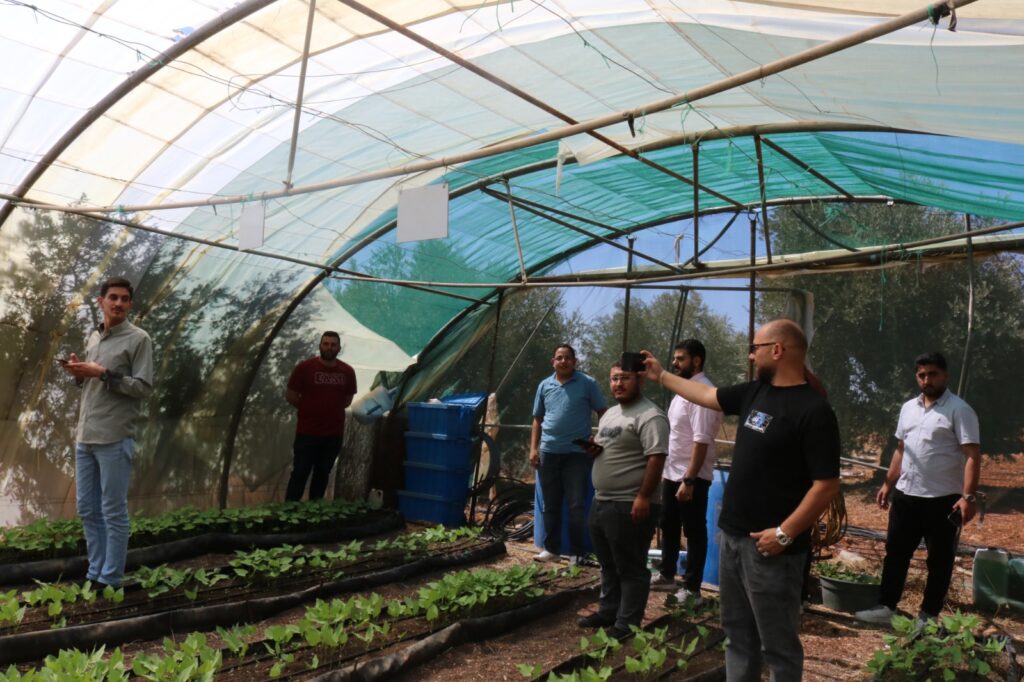
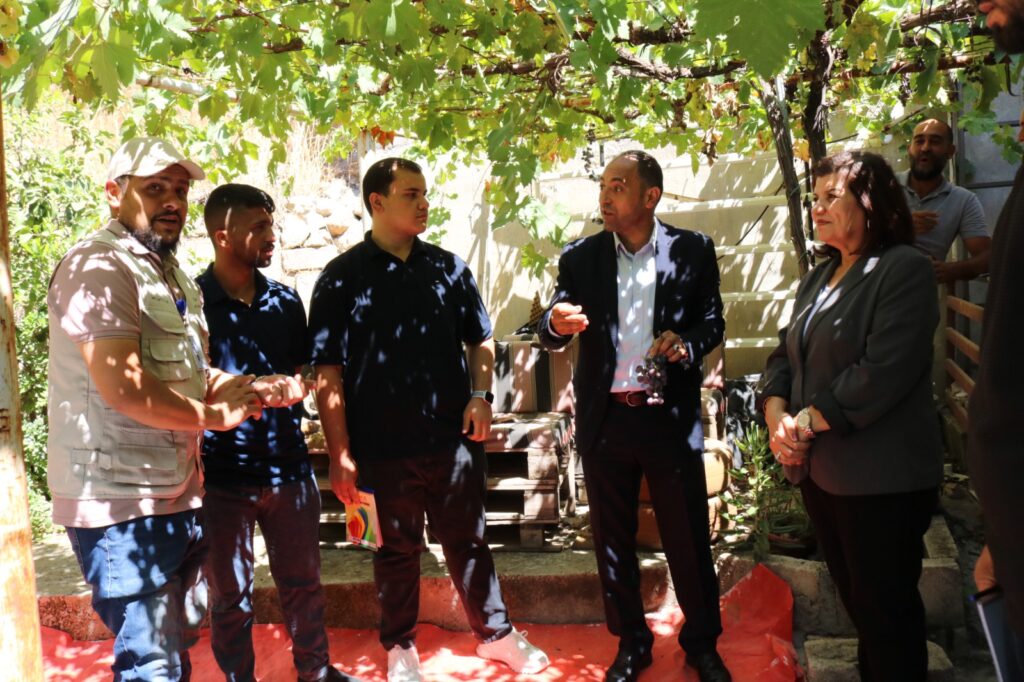
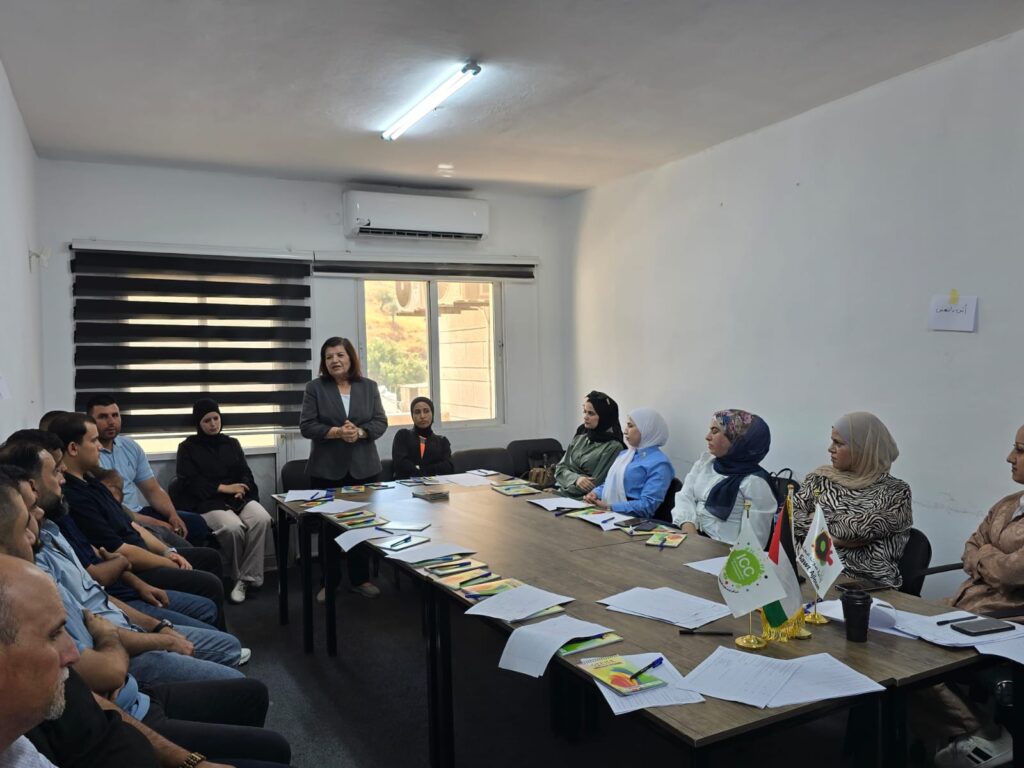
The Farmer Field School relies on a methodology that combines theoretical training with practical, field-based application, enabling participants to transition from acquiring fundamental knowledge and concepts to applying them directly within the agricultural environment.
The program comprises 12 training days, distributed as follows:
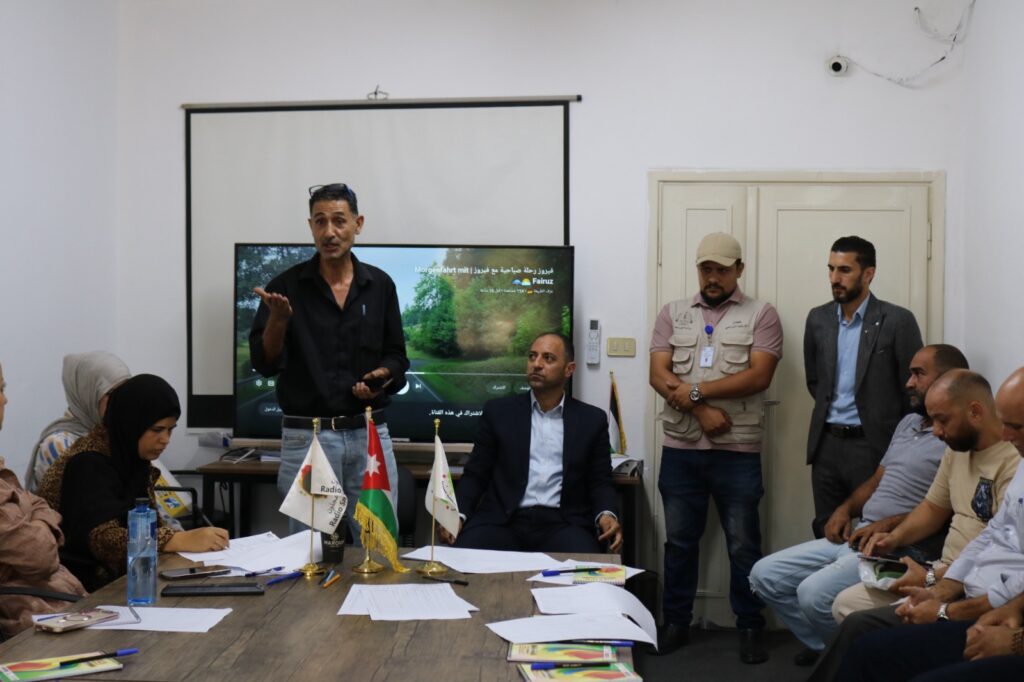
- Four days of theoretical training covering fundamental concepts and knowledge related to modern and sustainable agriculture.
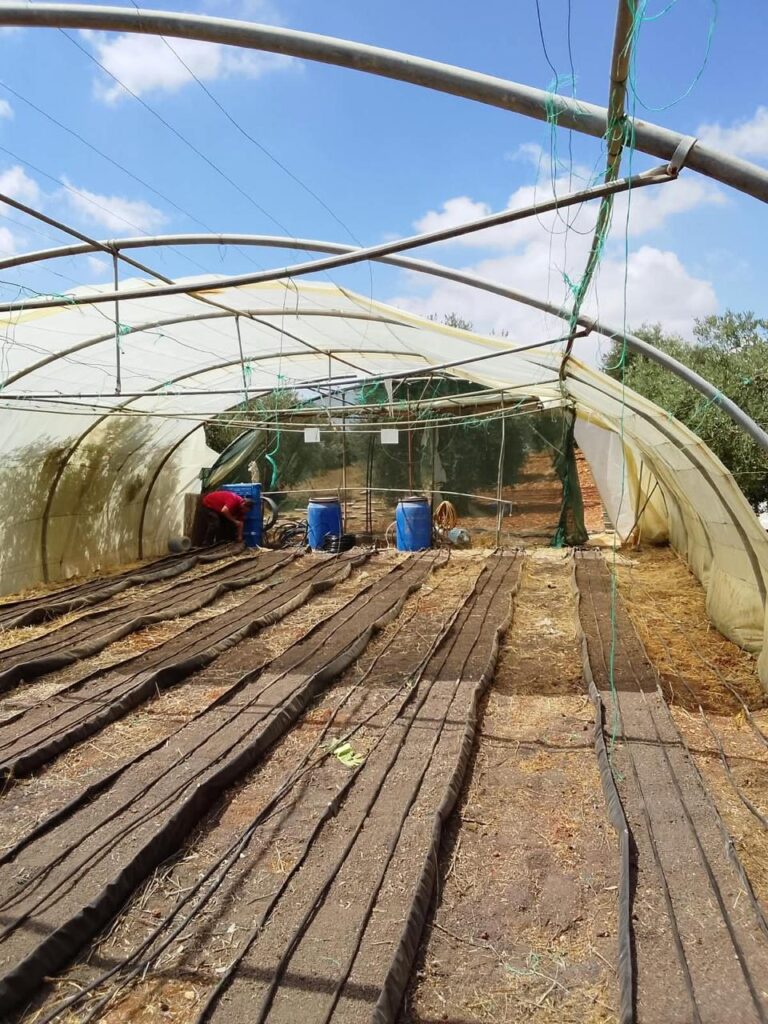
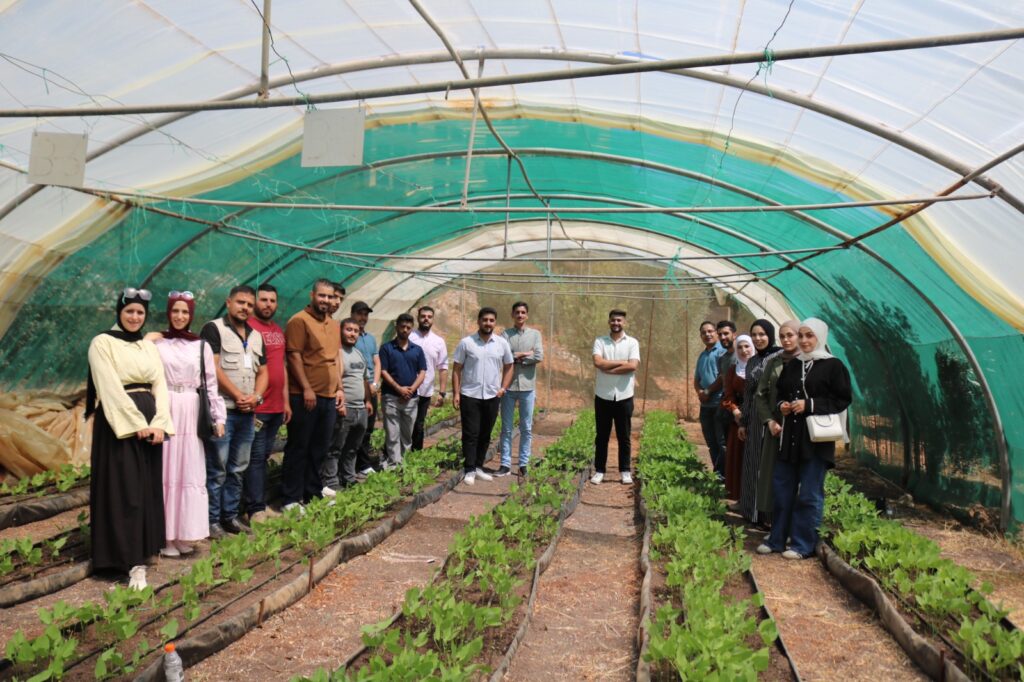
- Eight days of hands-on, practical training focusing on fieldwork, familiarization with modern agricultural techniques and methods, and their practical application.
The school addresses a range of topics related to the needs of the agricultural sector and the challenges facing farmers and rural communities, most notably:
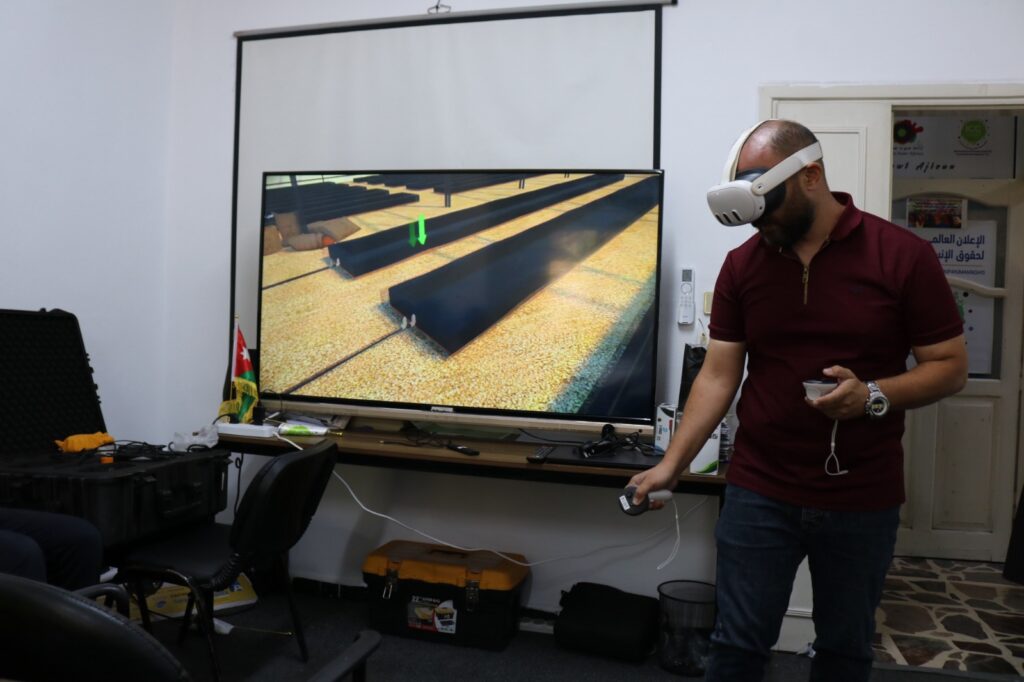
Smart Agriculture and Modern Agricultural Technologies: Exploring modern technologies and solutions that can be employed to enhance the efficiency of agricultural operations and production.
Sustainable management of natural resources: promoting the responsible and sustainable use of water, soil, and agricultural resources.
Improving agricultural production: Identifying practices that contribute to enhancing production quality and efficiency and reducing waste.
Climate Change Adaptation: Strengthening the capacity of farmers and youth to cope with climate challenges and their impacts on the agricultural sector.
Water Use Efficiency: Identifying methods and techniques that help conserve water and improve the efficiency of its use in agriculture.
Sustainable agricultural practices: Encouraging the adoption of practices that are environmentally friendly and preserve natural resources for future generations.
Agricultural Innovation and Entrepreneurship: Encouraging young people to develop innovative agricultural ideas and projects that meet market needs and contribute to creating economic opportunities.
The farmer field school is implemented through a participatory approach bringing together civil society organizations, government bodies, the agricultural sector, and local communities. This initiative is driven by the importance of integrating efforts to develop the agricultural sector and enhancing access to knowledge, expertise, and modern technologies for youth and farmers.
Through this partnership, the program seeks to support the transition towards more productive, efficient and sustainable agriculture, and to enhance the role of youth in developing the future of the agricultural sector in Ajloun Governorate.
The school contributes to building the capabilities of a new generation of young people and farmers who are able to employ knowledge and modern technologies in developing their agricultural projects, enhancing the efficiency of resource use, improving production, and adopting more sustainable practices and the ability to adapt to climate change.
The school also serves as a space for learning, experimentation, and the exchange of experiences, as well as for fostering cooperation among government institutions, civil society organizations, and local communities, thereby supporting sustainable agricultural and economic development in Ajloun Governorate.

Comments are closed