Basics of Soilless Agriculture – The Fourth Session of the Modern and Sustainable Agricultural Technologies Field School
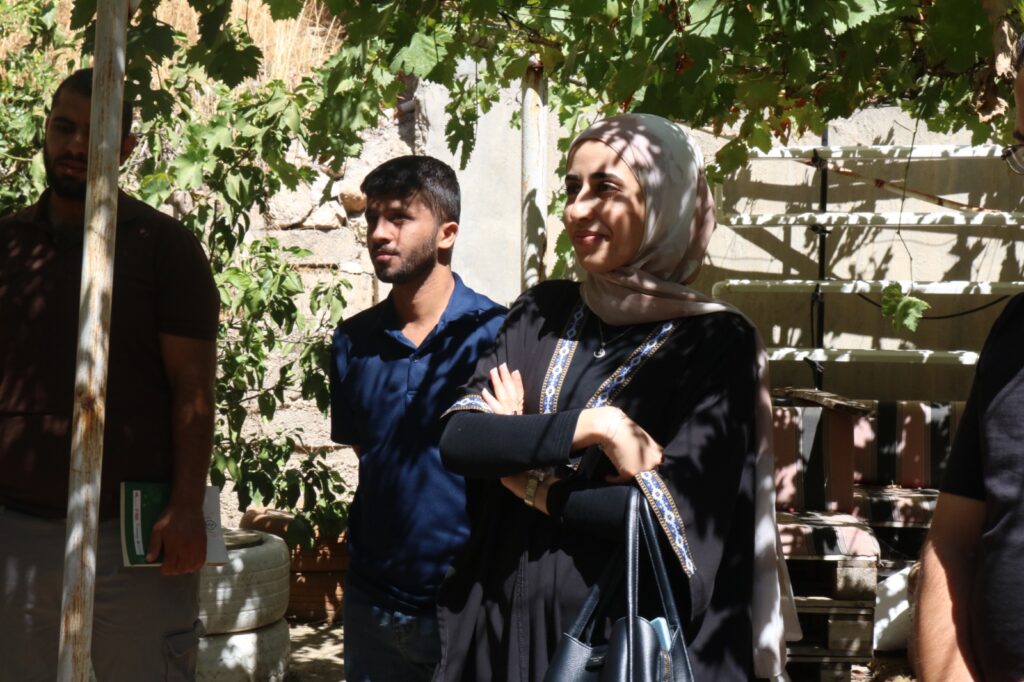
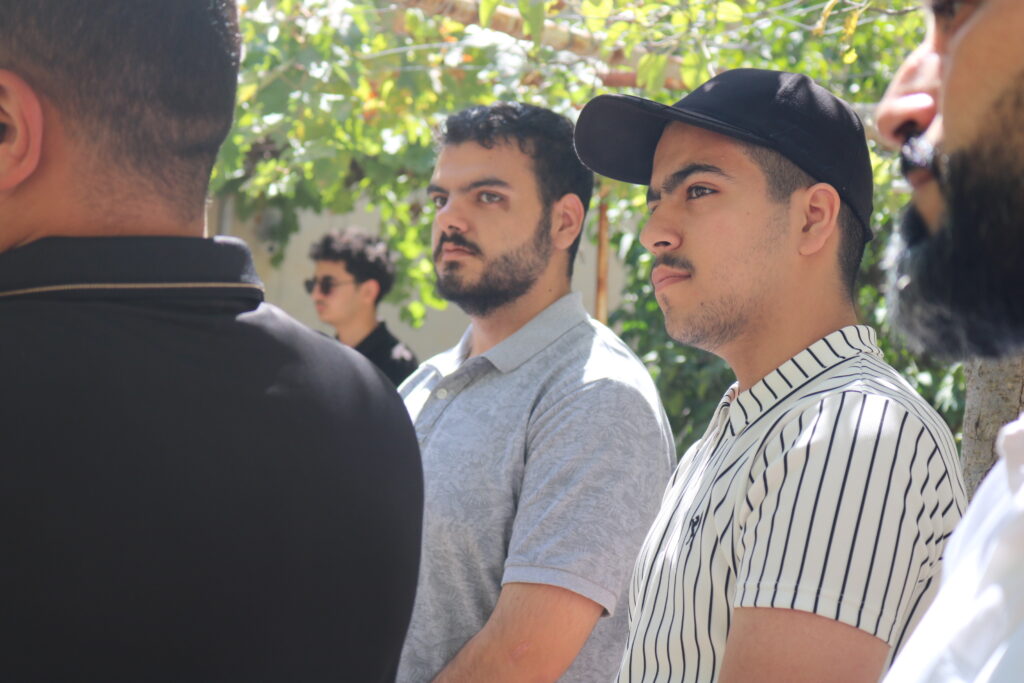
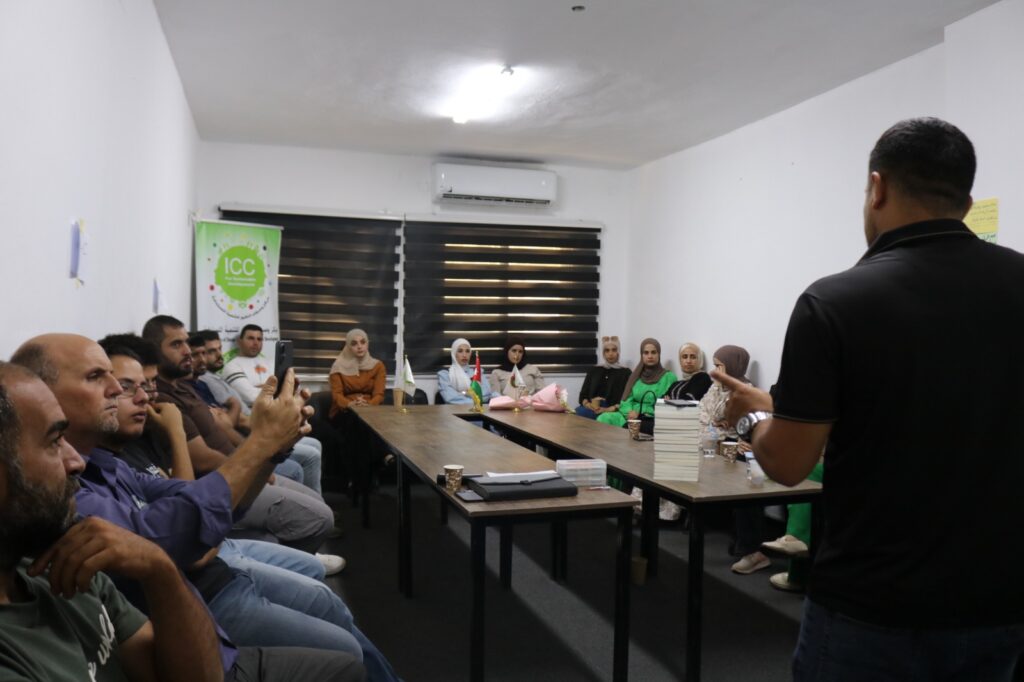
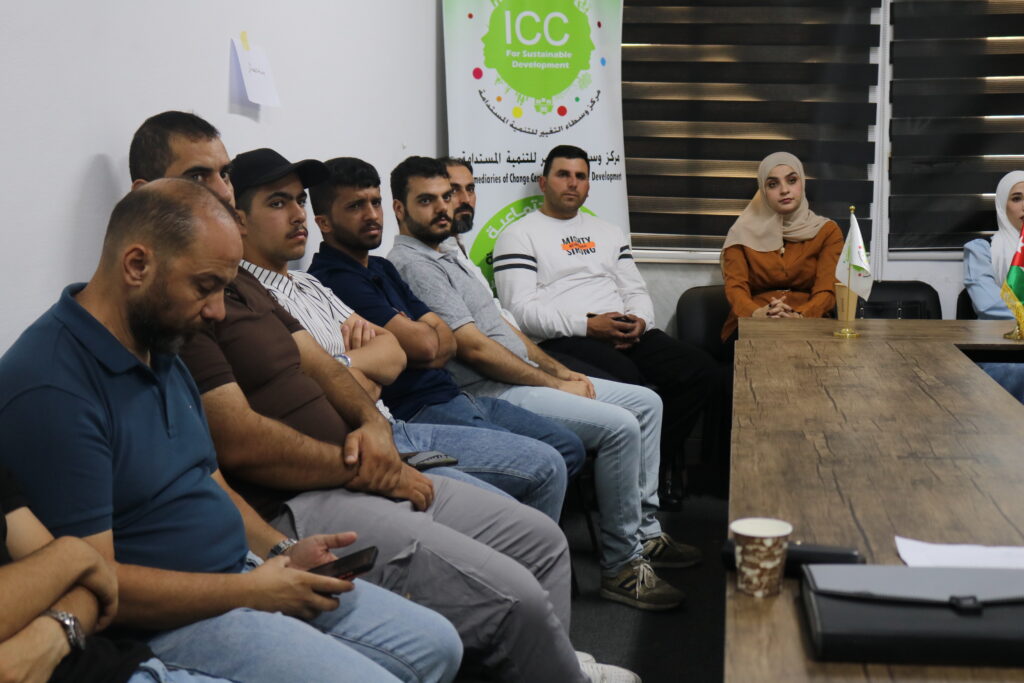
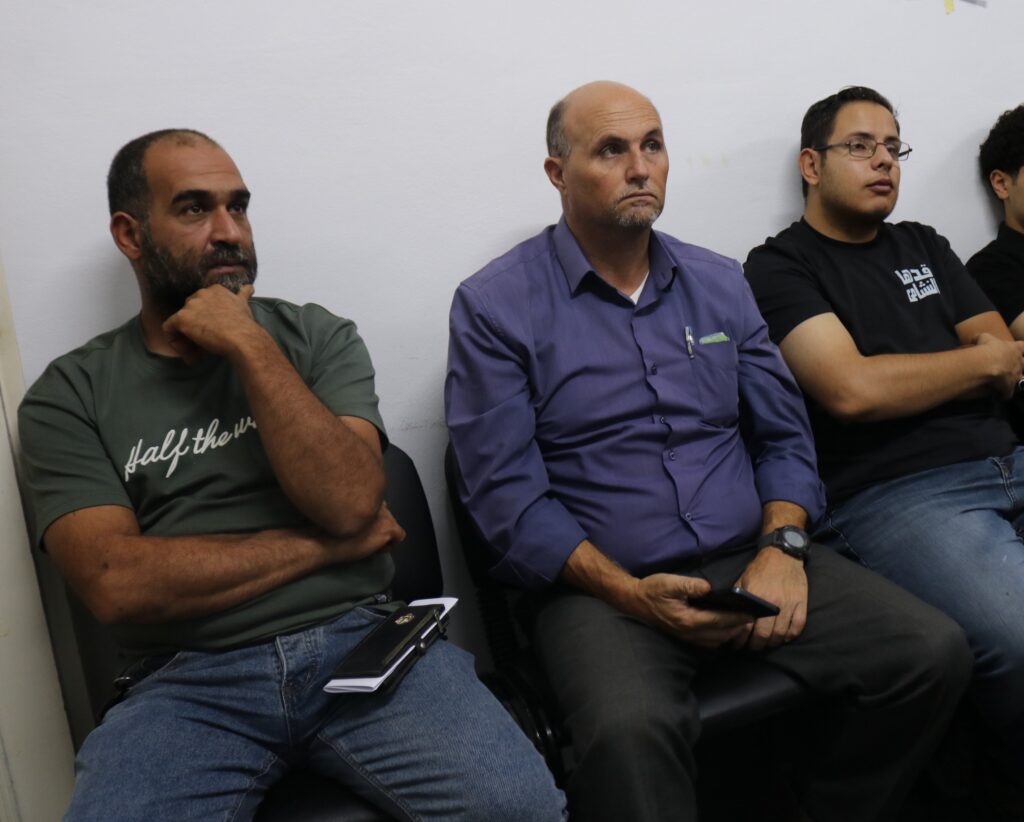
The Intermediaries of Change Center for Sustainable Development, in cooperation with the Ajloun Governorate Directorate of Agriculture, conducted the fourth training session as part of the Modern and Sustainable Agricultural Technologies Field School on Wednesday, 16 September 2026. The session focused on the basics of soilless agriculture and was attended by a group of young people and individuals interested in the agricultural sector.
The Field School is part of the efforts of the Intermediaries of Change Center for Sustainable Development to enhance young people’s knowledge of modern and sustainable agricultural technologies, equip them with practical skills that support the development of innovative agricultural ideas and projects, and encourage their interest in smart agriculture and the use of modern technologies in the agricultural sector.
The cooperation with the Ajloun Governorate Directorate of Agriculture also reflects its commitment to supporting young people and strengthening their capacities in the agricultural field by providing opportunities for training and learning, and introducing them to modern agricultural practices and technologies. This helps them develop their knowledge and skills and apply them to their agricultural projects and ideas.
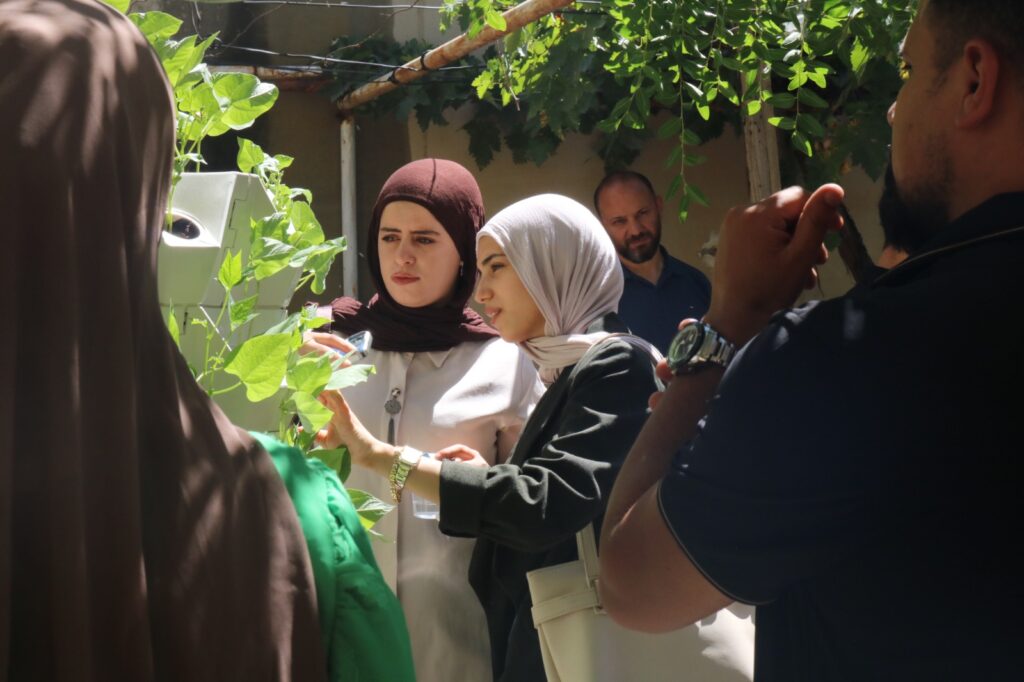
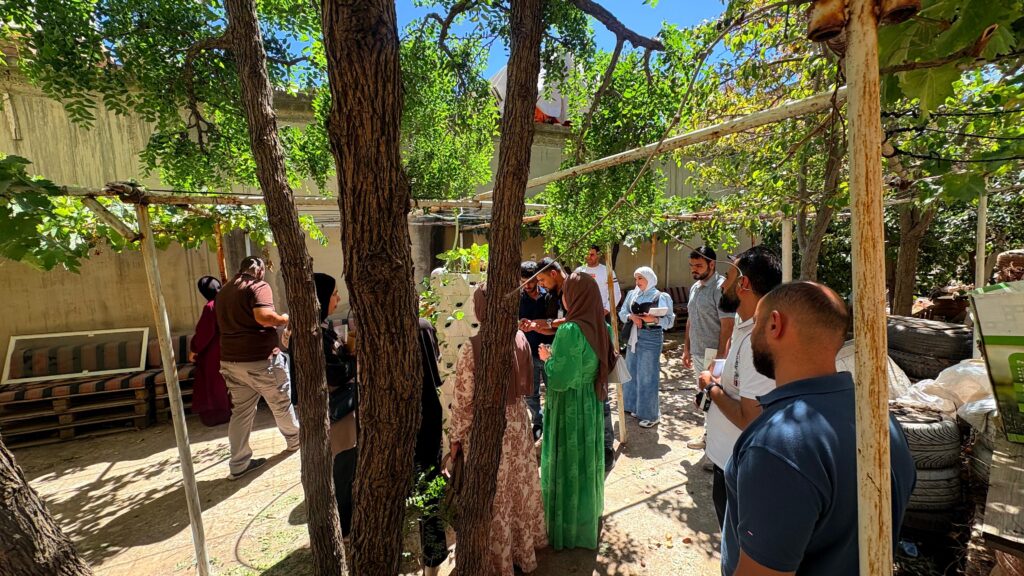
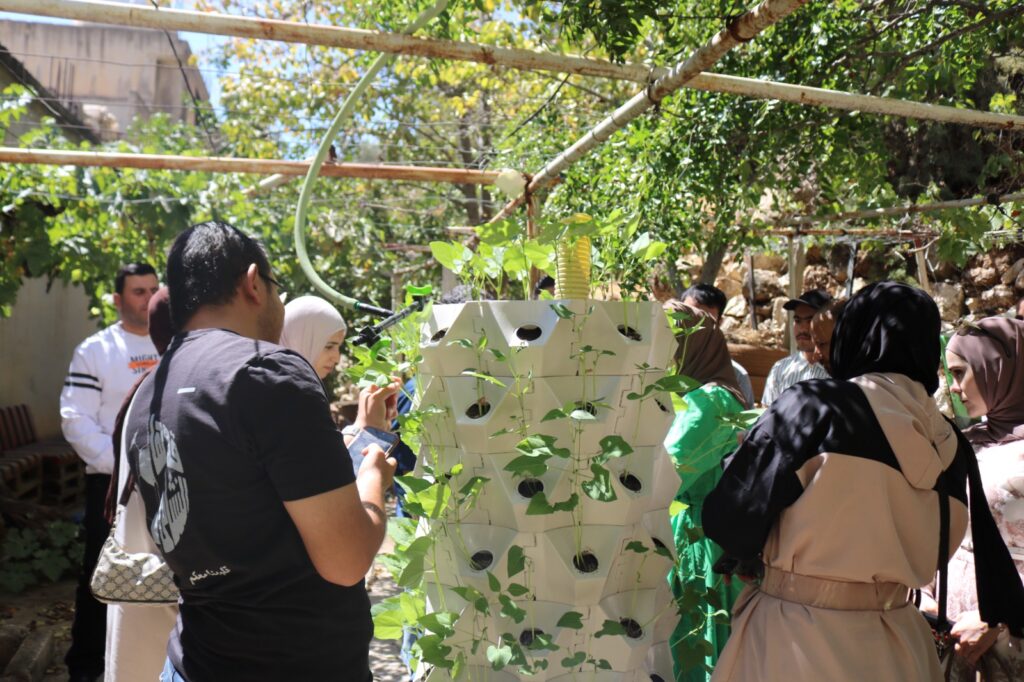
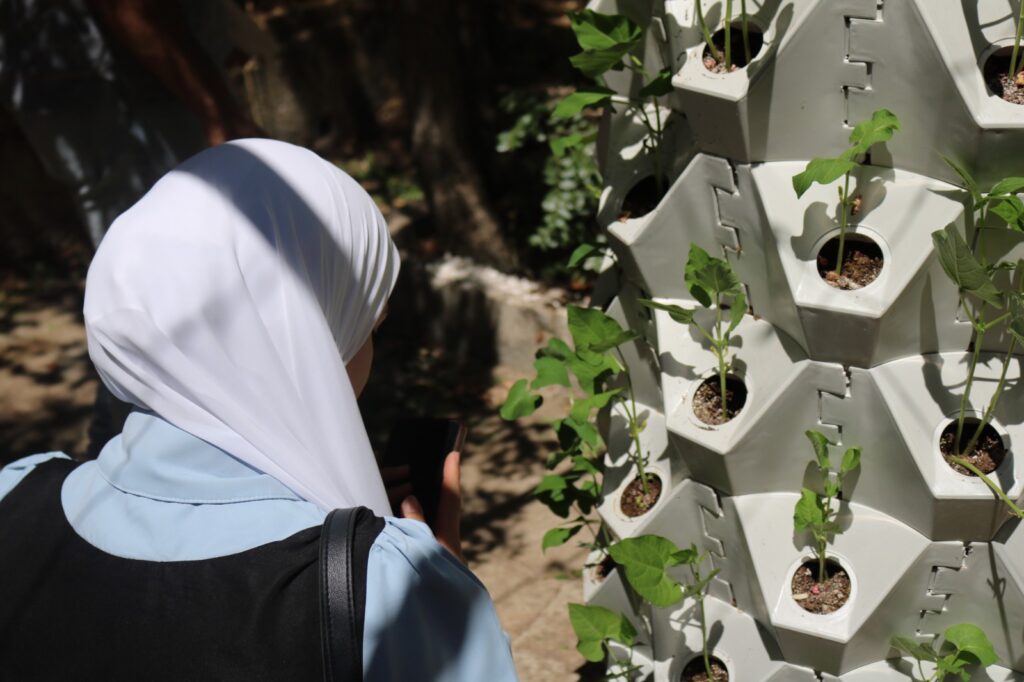
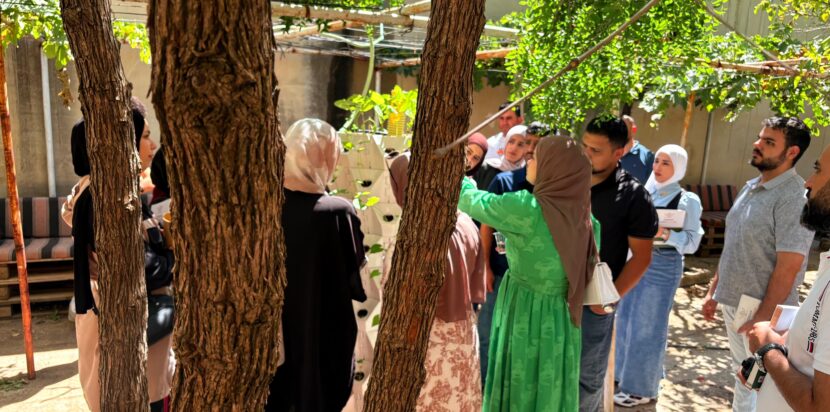
Eng. Hamza Al-Shawashreh delivered the training session as part of the Field School, covering the concept of soilless agriculture and its basic principles, the differences between soilless and traditional farming, as well as the main systems used, their requirements and how they work. The session also addressed the key factors that need to be considered to provide a suitable environment for plant growth.
Eng. Hamza also addressed the needs of plants in soilless farming systems, highlighting the importance of providing water, nutrients, light, and suitable environmental conditions. He explained the importance of continuously monitoring crop needs and responding to changes that may affect their growth and the quality of their production.
The training focused on the practical aspect by linking theoretical concepts to hands-on application, introducing participants to methods of working with soilless farming systems and monitoring plant needs. It also discussed the importance of these technologies in addressing challenges related to limited resources, particularly water and agricultural land, and their role in improving resource-use efficiency.
This session is part of a series of practical training sessions offered by the Field School, aimed at strengthening the link between knowledge and practical application and encouraging participants to make use of modern agricultural technologies and tools to address agricultural challenges and improve resource-use efficiency.