The Intermediaries of Change Center Launches Training on a Rights-Based Approach to Addressing Issues Concerning Persons with Disabilities
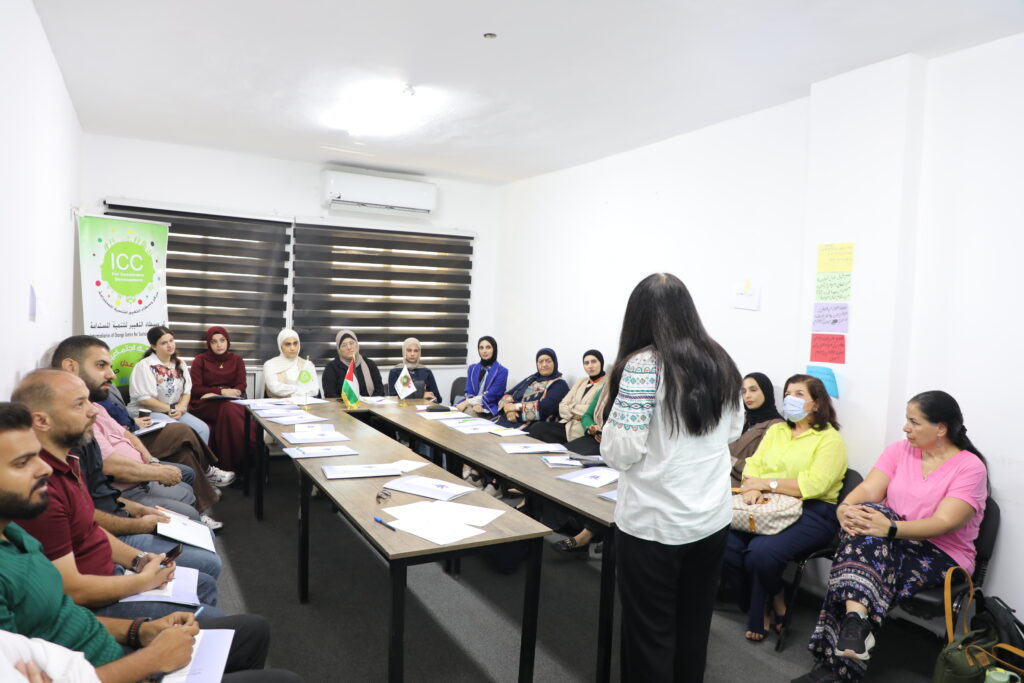
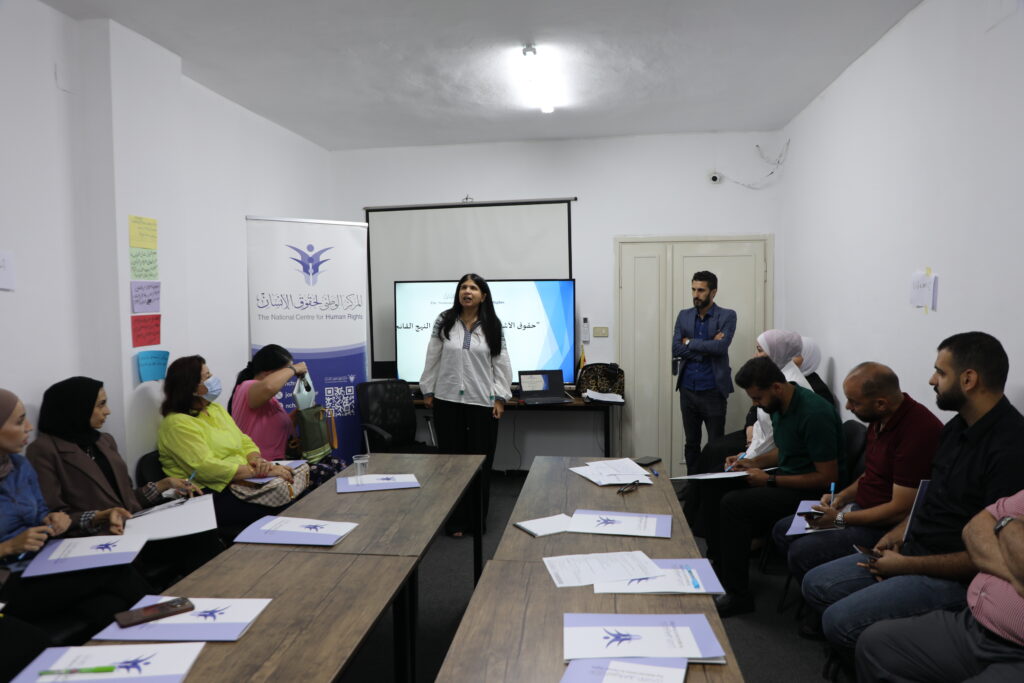
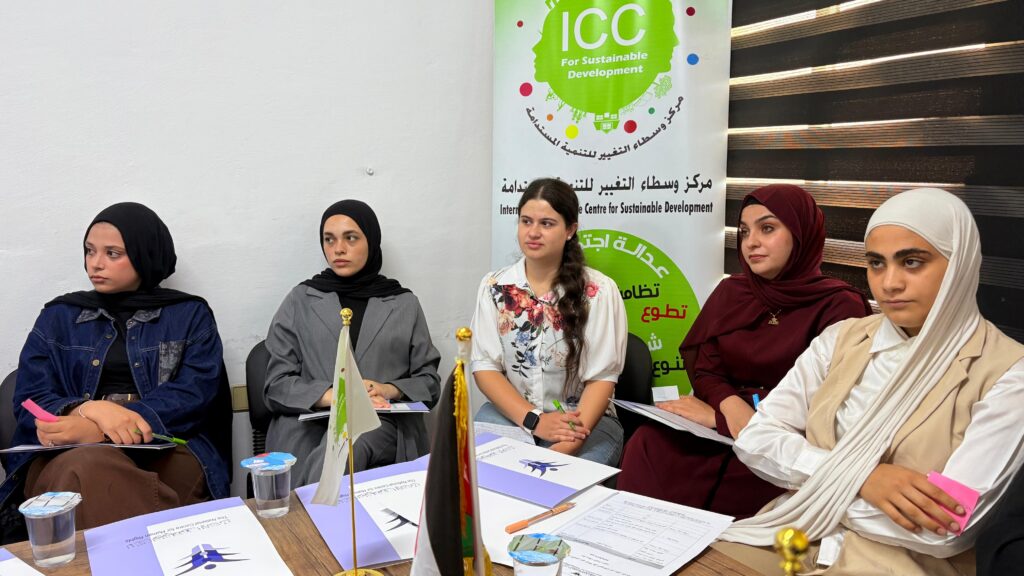
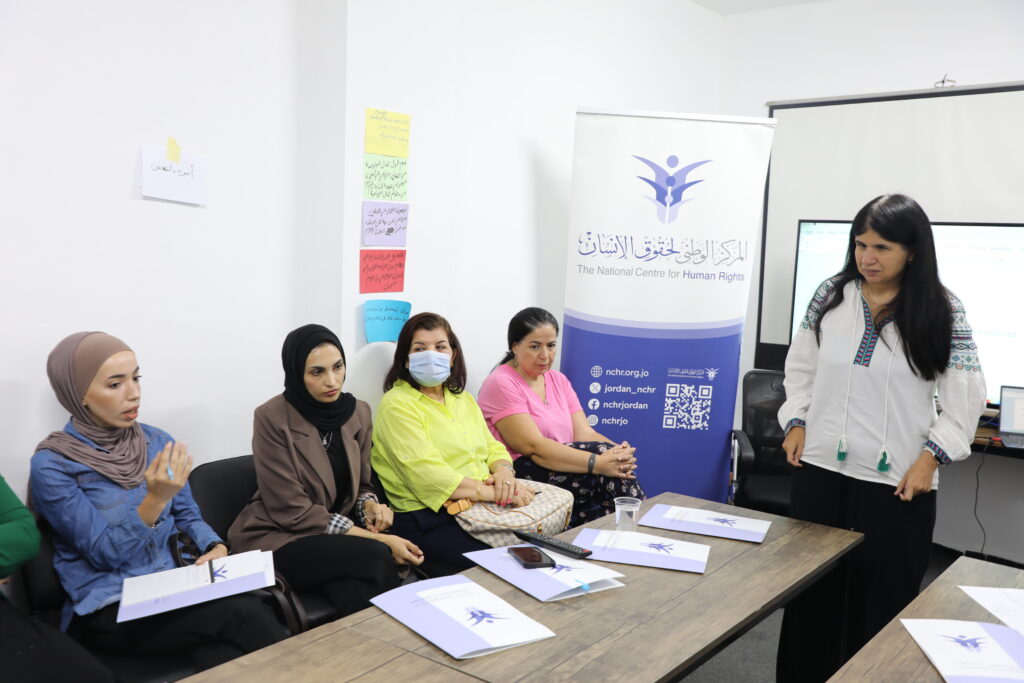
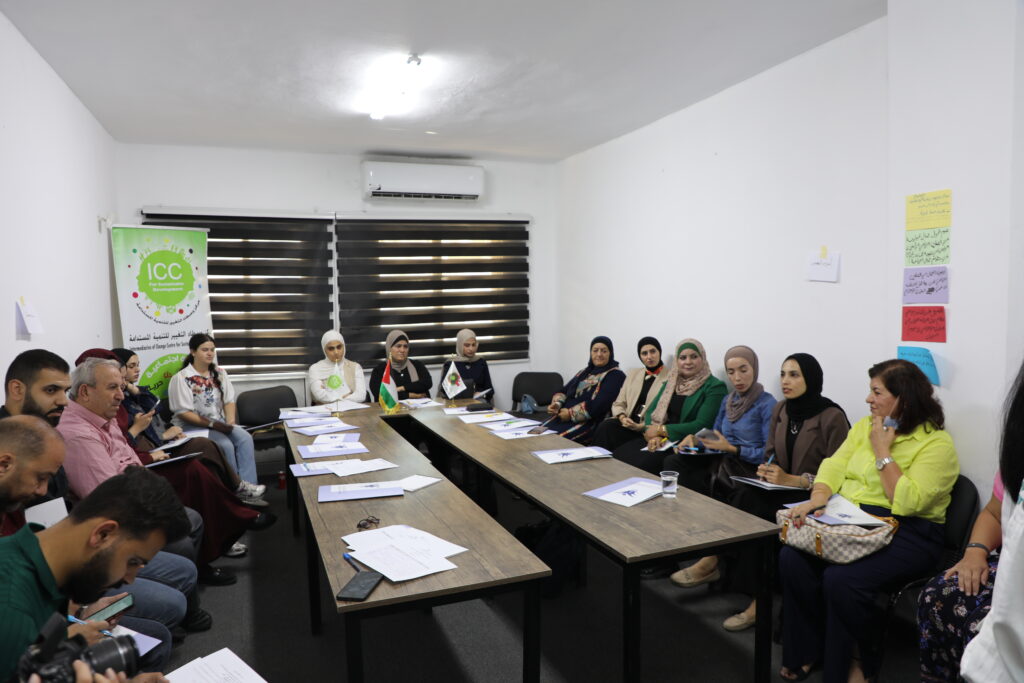
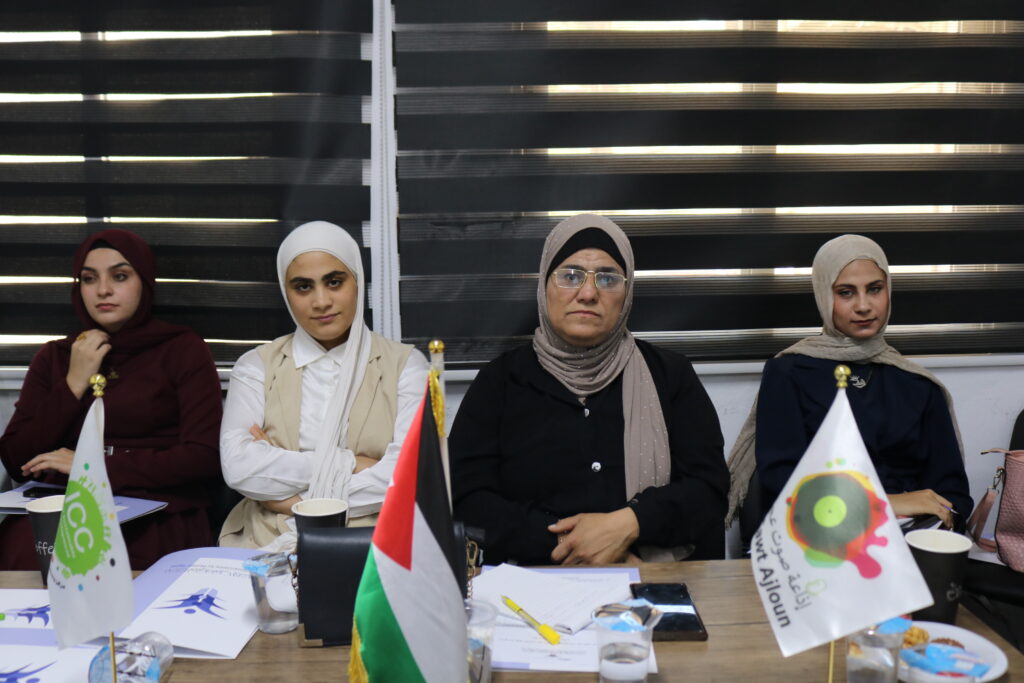
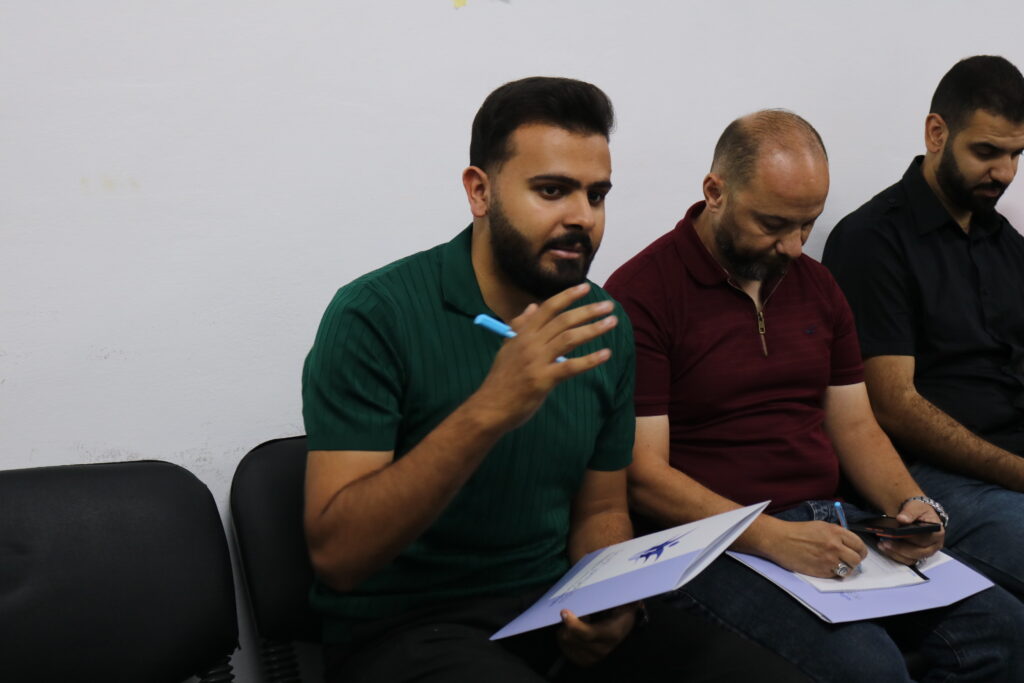
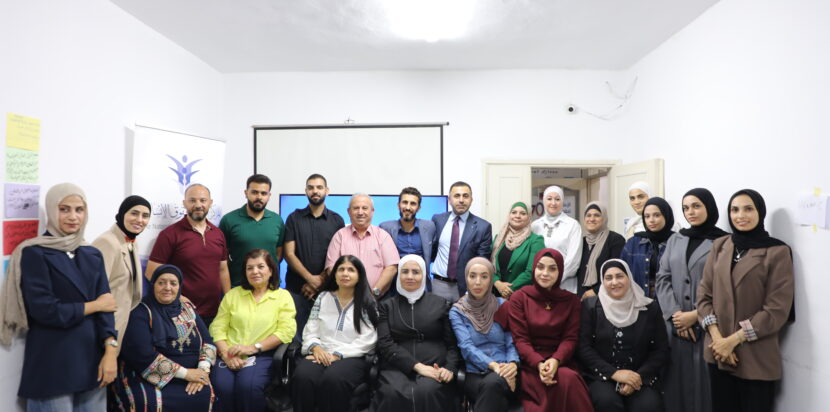
The Intermediaries of Change Center for Sustainable Development, in partnership with the National Centre for Human Rights, launched a specialized training on Sunday, 13 September 2026, entitled “A Rights-Based Approach to Addressing Issues Concerning Persons with Disabilities.” The training aimed to enhance knowledge and rights-based practices in addressing issues concerning persons with disabilities and to highlight the importance of adopting a human rights-based approach, free from stereotypes and narratives that may reinforce discrimination or exclusion.
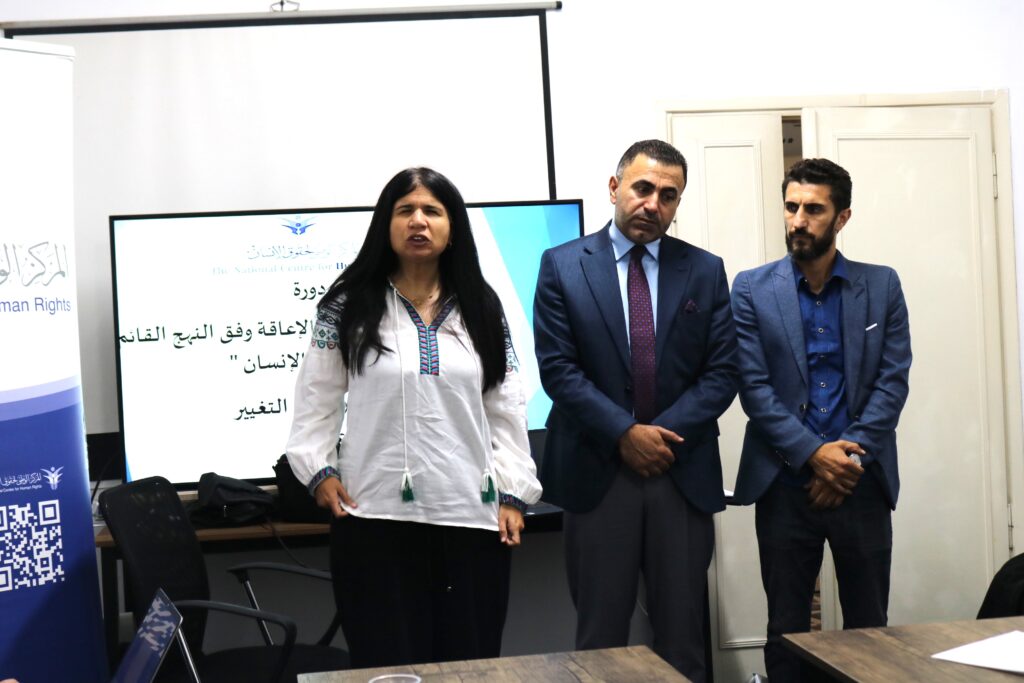
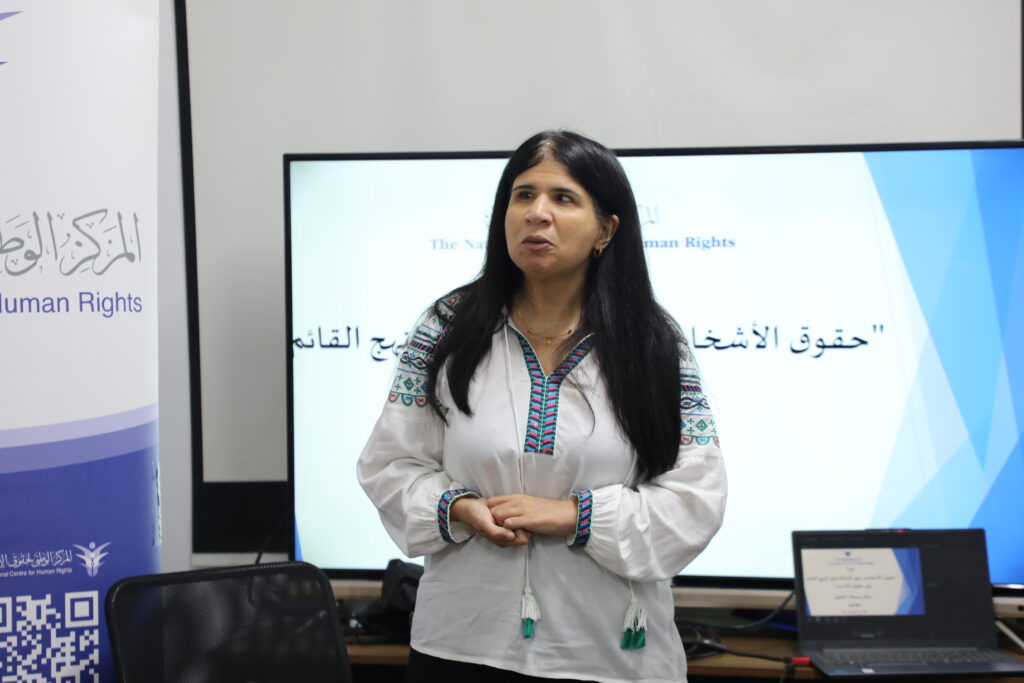
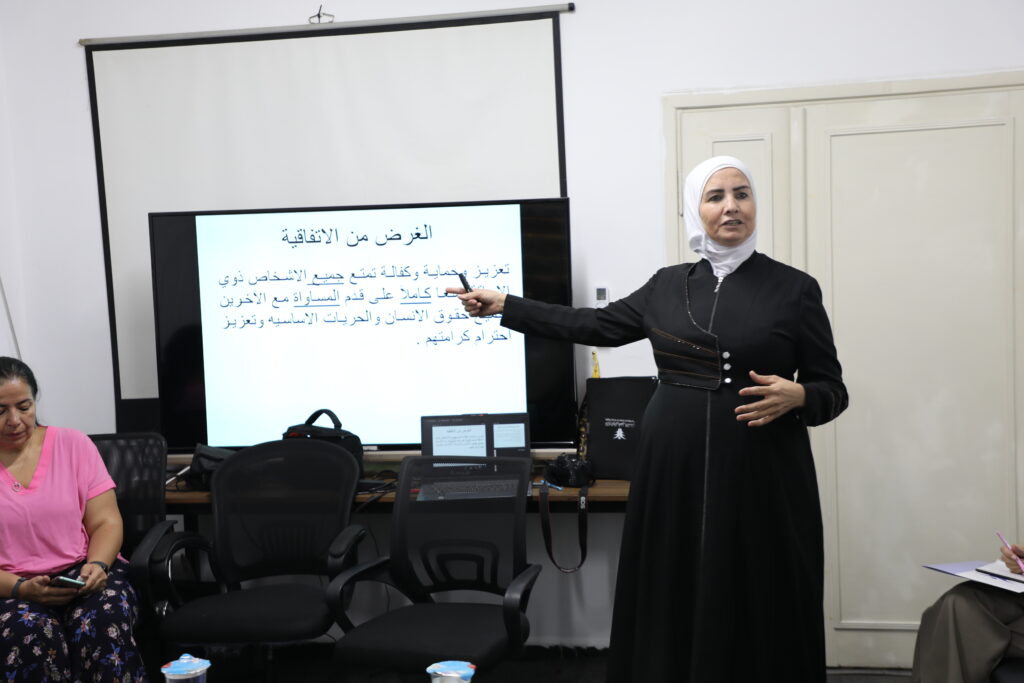
The training was opened by Ms. Rawan Barakat. The opening session covered an introduction to the rights-based approach and human rights terminology, as well as the importance of effective communication with persons with disabilities, enhancing participants’ understanding of practices that respect rights and human dignity.
Ms. Buthaina Al-Freihat, Director of the Department of Groups Most in Need of Protection at the National Centre for Human Rights, addressed the rights of persons with disabilities under the international convention and national legislation, as well as the role of the National Centre for Human Rights in promoting and protecting the rights of persons with disabilities, and the importance of ensuring that they enjoy their rights on an equal basis and without discrimination
MP Shifa Sawwan, a member of the Jordanian House of Representatives, also participated in the training, emphasizing the importance of raising community and rights-based awareness of issues concerning persons with disabilities. She highlighted the important role of the House of Representatives in supporting legislation and policies that guarantee the rights of persons with disabilities and promote their participation and inclusion in society, as well as the importance of continued dialogue and coordination between national institutions and civil society organizations to advance a more inclusive and equitable environment.
Ahmad Rababa, Operations and Programs Specialist at the Intermediaries of Change Center for Sustainable Development, emphasized the importance of investing in building the capacities of staff, activists, and media professionals, and strengthening partnerships with national institutions concerned with human rights. He noted that this contributes to developing more responsive rights-based, media, and development practices that address the issues and needs of persons with disabilities.
Lana Al-Momani, Media, Communications and Programs Coordinator at the Intermediaries of Change Center for Sustainable Development, also emphasized the Center’s role in networking with the National Centre for Human Rights and building the capacities of civil society organizations and local actors. She noted that this is an essential pathway for supporting human rights and development issues in rural communities and strengthening the ability of local actors to address rights-related issues more effectively.
The training also covered a number of specialized topics, including the rights of persons with disabilities under international conventions and national legislation, the role of national institutions in promoting and protecting these rights, the design of inclusive training programs, as well as objective media coverage of issues concerning persons with disabilities.
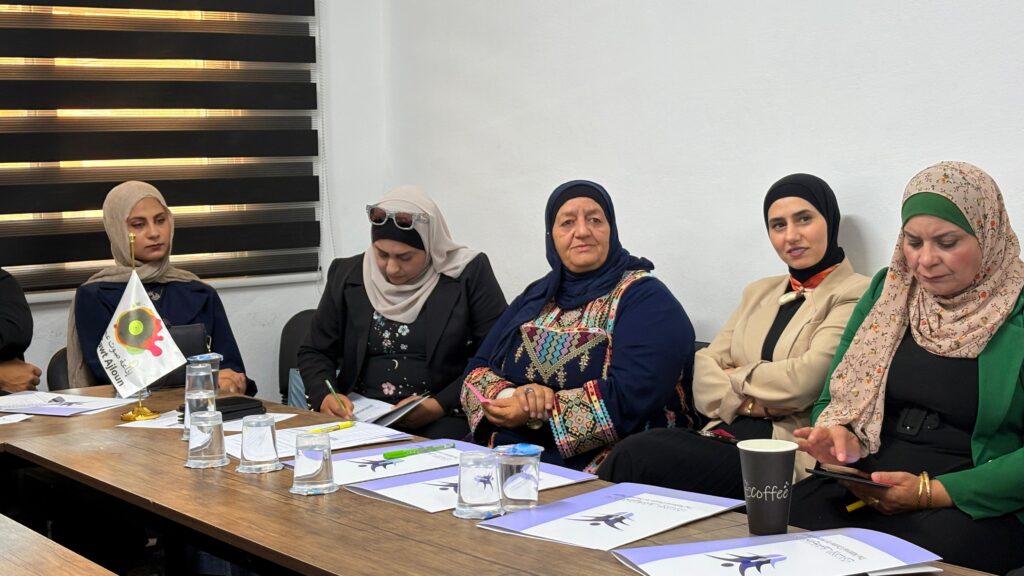
The training targets a range of active groups in society, including civil society organizations, digital and radio content producers, youth activists, initiative leaders, and professionals working in the fields of human rights, development, and digital media, with the aim of strengthening their capacities to address issues concerning persons with disabilities from a rights-based perspective.
The training aims to develop a more inclusive media and community discourse that respects human rights and dignity, and to strengthen the role of stakeholders in supporting the participation and social inclusion of persons with disabilities, contributing to a more inclusive and equitable environment.
The implementation of the training is part of the Intermediaries of Change Center for Sustainable Development’s efforts to strengthen partnerships and networking with national institutions and build the capacities of civil society and local actors. This supports greater attention to human rights and development issues in rural communities and promotes a responsible and effective approach to addressing issues concerning persons with disabilities.