Reef Youth Political Space Follows Up on Youth Recommendations in Dialogue with the Ministry of Labour and the National Employment Program
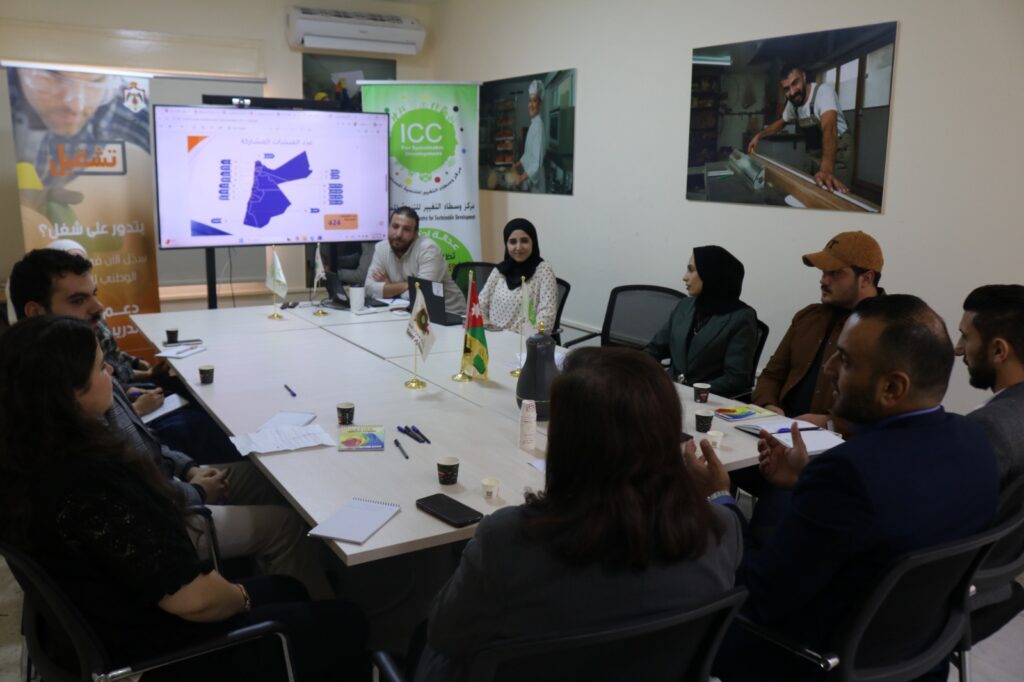
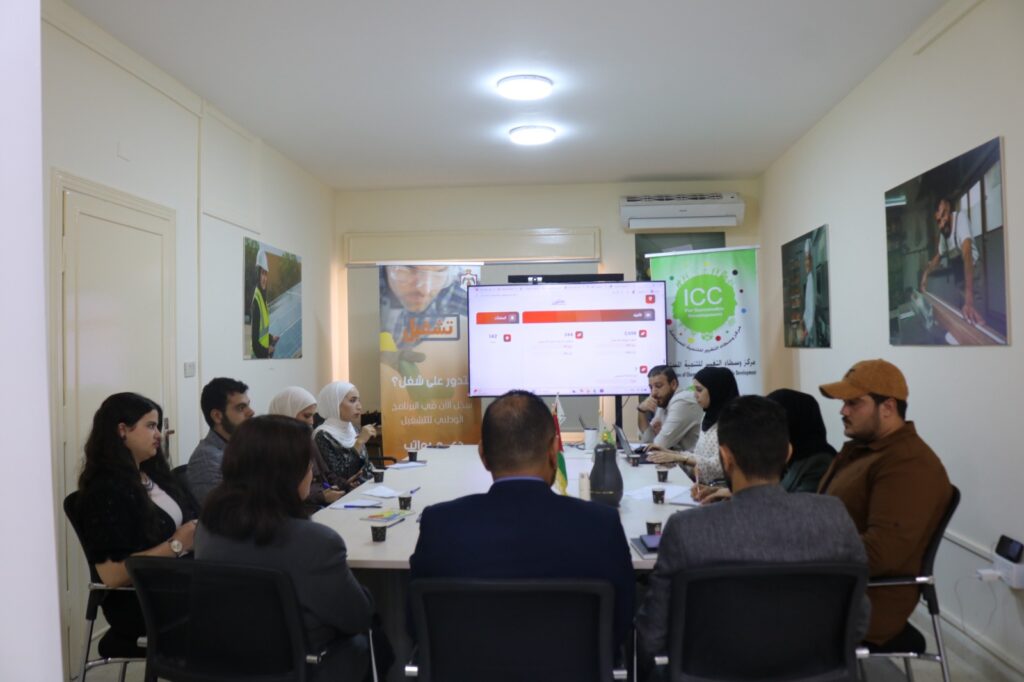
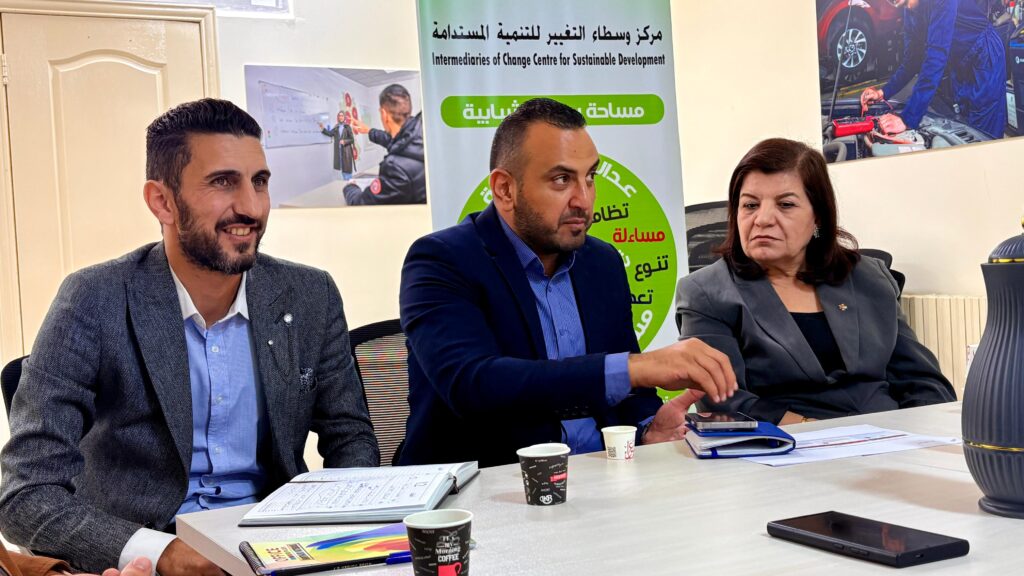
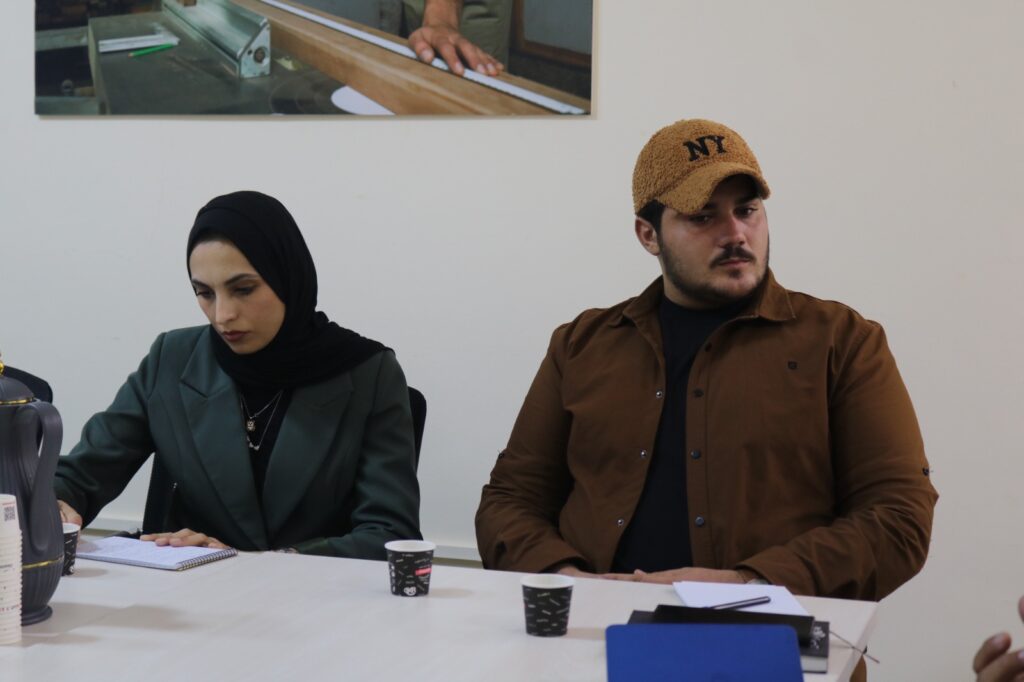
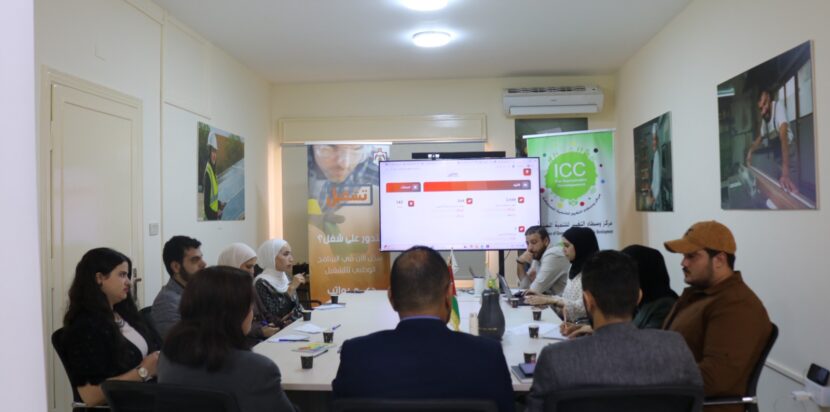
Amman – As part of the ongoing activities of the “Reef Safe Youth Political Space” (Reef Space Project), youth leaders and project team members held a dialogue meeting with the Ministry of Labour – National Employment Program, aimed at following up on the recommendations raised by young people during previous dialogue sessions and discussing challenges related to employment and job opportunities in rural communities.
The meeting was held as part of the project’s approach to moving from identifying challenges and demands to follow-up, response, and practical action, by strengthening direct communication between young people and relevant stakeholders, and discussing possible ways to respond to youth priorities in the labour and employment sector.
The dialogue addressed the key challenges facing young people in accessing employment opportunities, the extent to which they benefit from national employment programs, and the importance of enhancing young people’s access to information and available opportunities in rural areas. It also discussed ways to improve their readiness for the labour market and strengthen the connection between job seekers and employers.
The Director of the National Employment Program, Mr. Riyad Al-Shammout, highlighted the importance of direct communication with young people and listening to their needs and challenges. He emphasized the importance of familiarizing young people with available employment programs and opportunities and enhancing their access to them in line with labour market needs, particularly for youth in rural communities.
For his part, Project Director Ahmad Abdel Qader noted that the meeting comes as part of the follow-up phase of the Reef Safe Youth Political Space Project, which aims to move from presenting recommendations during dialogue sessions to following up on them with the relevant authorities, linking youth priorities with available responses and opportunities, and strengthening the role of youth leaders in follow-up, advocacy, and dialogue with stakeholders.
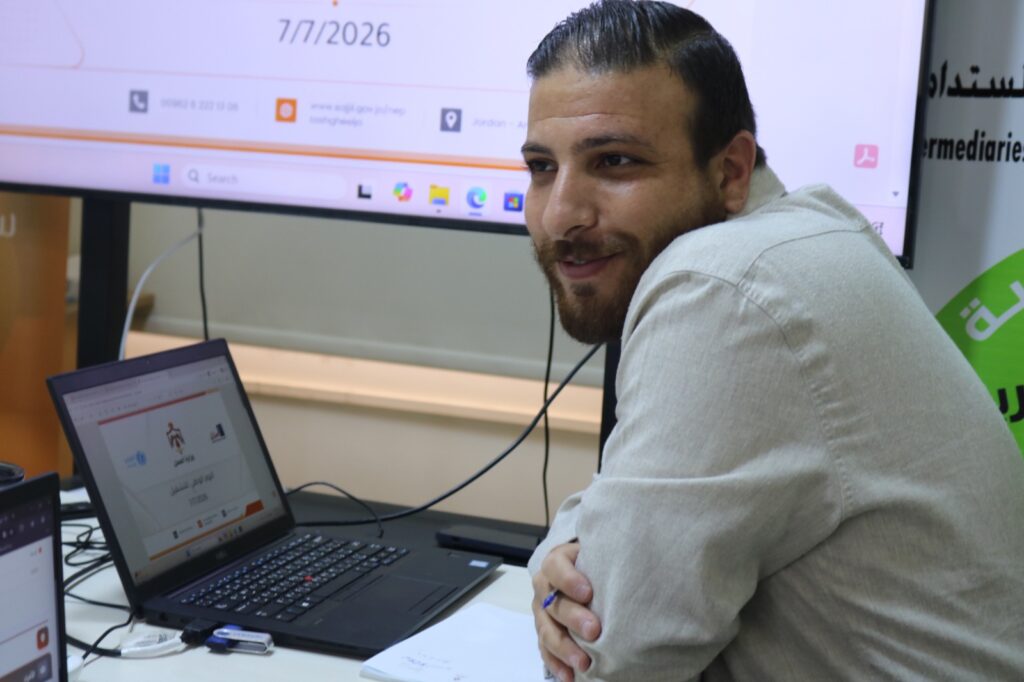
Qusai Al-Kurdi, the Networking Officer for the National Employment Program, also highlighted the importance of strengthening communication with youth and raising awareness about available employment programs and opportunities, thereby helping young people—particularly in rural communities—access these opportunities and benefit from relevant national programs.
For her part, Maha Al-Issa—a Monitoring and Evaluation Specialist—highlighted the importance of aligning youth needs with available opportunities and programs, and enhancing their access to information regarding training and employment, thereby supporting their labor market readiness and ability to capitalize on available opportunities.
Young leaders also discussed the skills young people need to enhance their job market prospects—including employability, CV writing, and interview skills—as well as opportunities to network with employers and benefit from the employment programs offered by the National Employment Program.
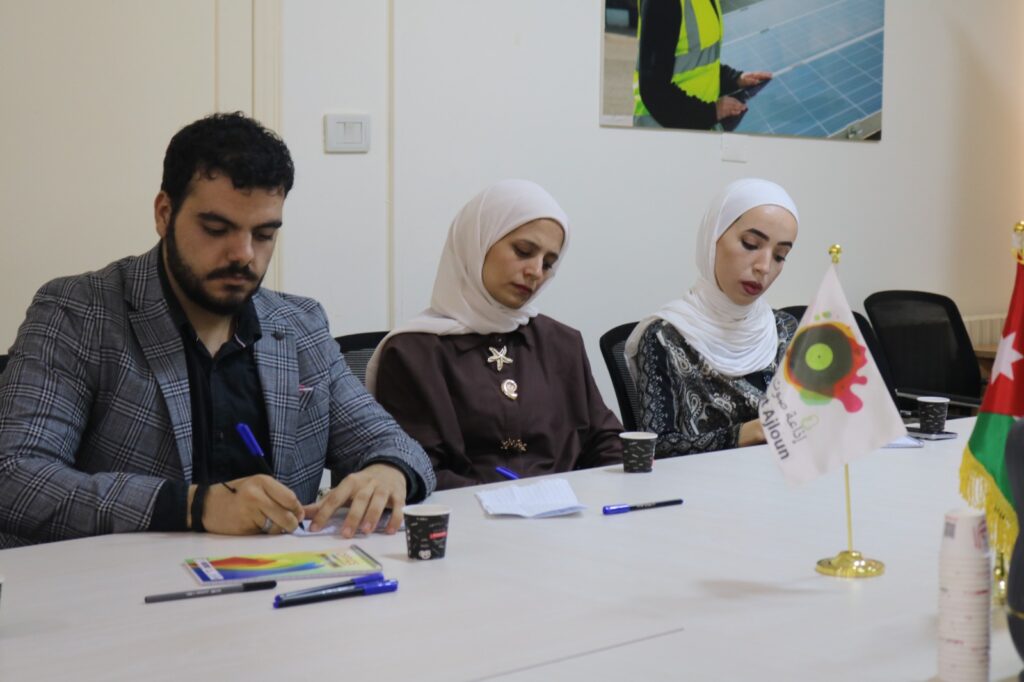
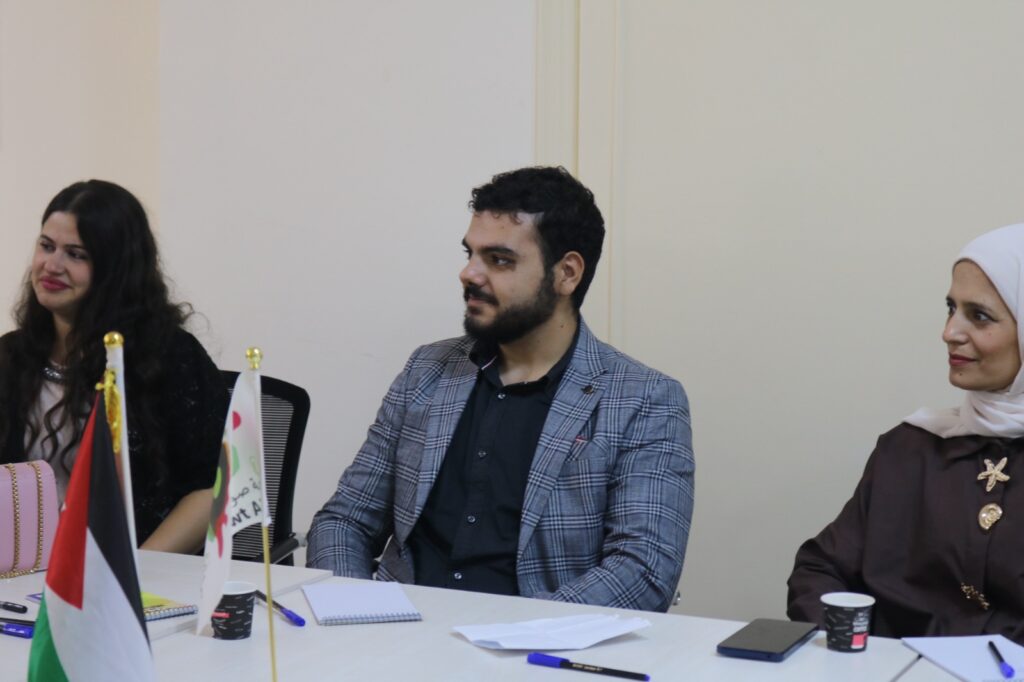
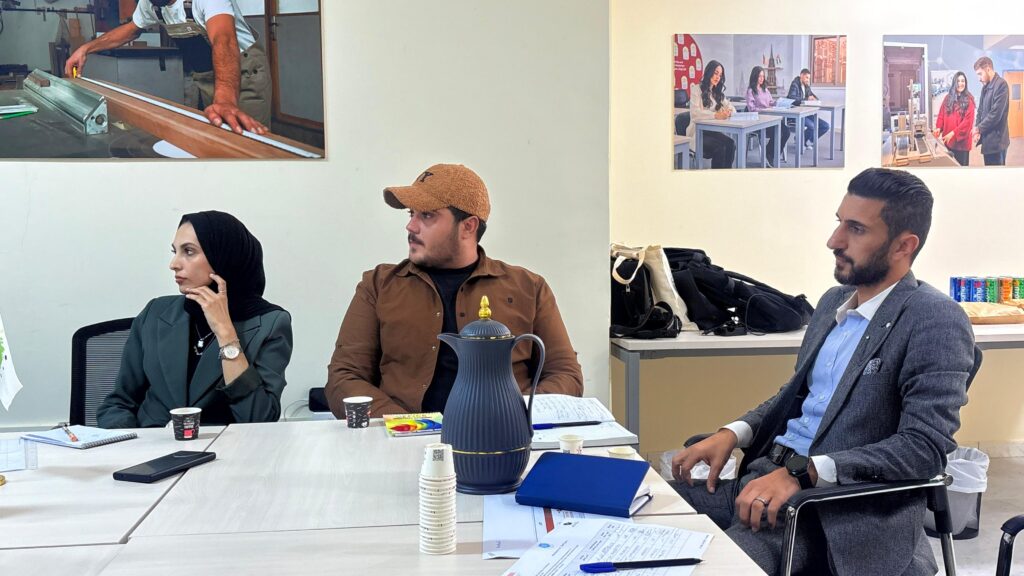
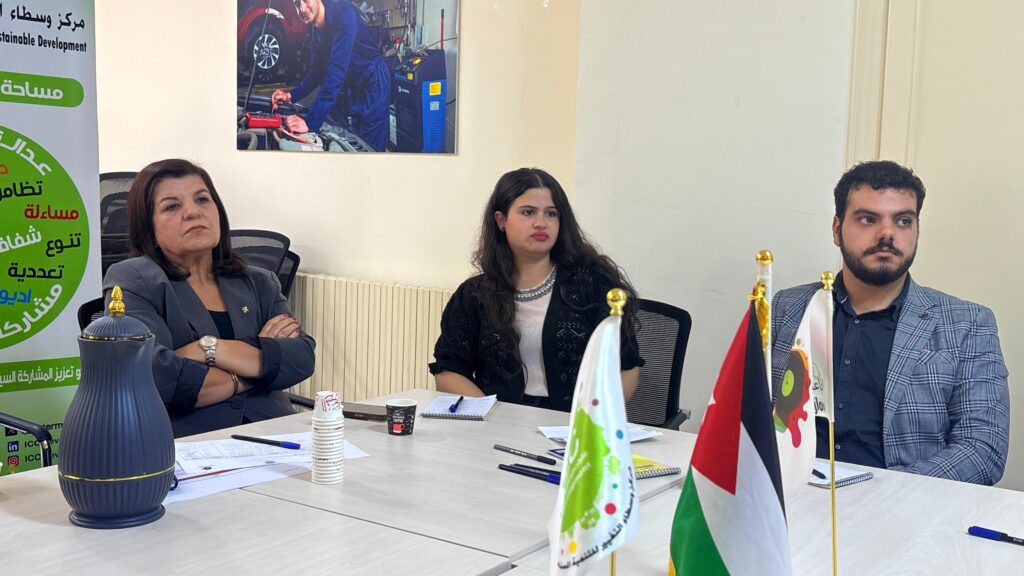
Young leaders participated in the dialogue, presenting issues and recommendations developed during previous project sessions—informed by challenges and needs identified through their engagement with youth and local communities. They also took part in discussions regarding proposed solutions and follow-up mechanisms with relevant authorities, thereby reinforcing their roles as active participants in dialogue, advocacy, and social accountability.
The meeting provided an opportunity for young leaders to present recommendations resulting from previous dialogues and to discuss mechanisms for following up on them with relevant authorities. This serves to strengthen their role in monitoring, advocacy, and engagement regarding issues and policies that shape their economic and professional futures, while enhancing their ability to move beyond merely articulating challenges to actively participating in developing solutions and tracking responses to them.
The meeting also highlighted the importance of safe political spaces for youth in building young leaders’ capacity for institutional dialogue and engagement with decision-makers. Such spaces provide an environment that enables them to present community issues in an organized manner and follow up on the recommendations and actions resulting from these dialogues, thereby linking youth participation to public affairs and policymaking.
This meeting aligns with the approach of the “Reef” youth political platform, which focuses on building youth capacity, identifying their priorities, opening channels of dialogue with institutions and decision-makers, and following up on responses to their recommendations—thereby fostering active youth participation in public life and in policies concerning rural communities.
The project is implemented by the Intermediaries of Change Center for Sustainable Development (ICC), in partnership with Sawt Ajloun Community Radio, and in cooperation with the German Rosa Luxemburg Foundation.