No Voice on the Sidelines: Youth as Partners in Political Modernization
As part of the “From Vision to Implementation: Investing in Youth for a Promising Political Future” project, the Intermediaries of Change Center for Sustainable Development, in partnership with Radio Sawt Ajloun, and with support from the King Abdullah II Fund for Development through the Tamkeen Window for Supporting Political Projects, is organizing the first local dialogue session in Ajloun City. The session aims to promote direct dialogue between youth and political parties and build sustainable partnerships that contribute to enhancing youth political participation, in line with Jordan’s political modernization process.
This session is part of a series of local dialogue meetings that will be implemented by the project across Ajloun Governorate. It aims to provide a dialogue space that brings together young men and women with representatives of political parties, civil society organizations, and local leaders to discuss issues affecting youth political participation and strengthen their role in public life. The sessions seek to develop practical recommendations that reflect youth priorities and contribute to building stronger relationships between youth and political parties based on dialogue, partnership, and meaningful influence.
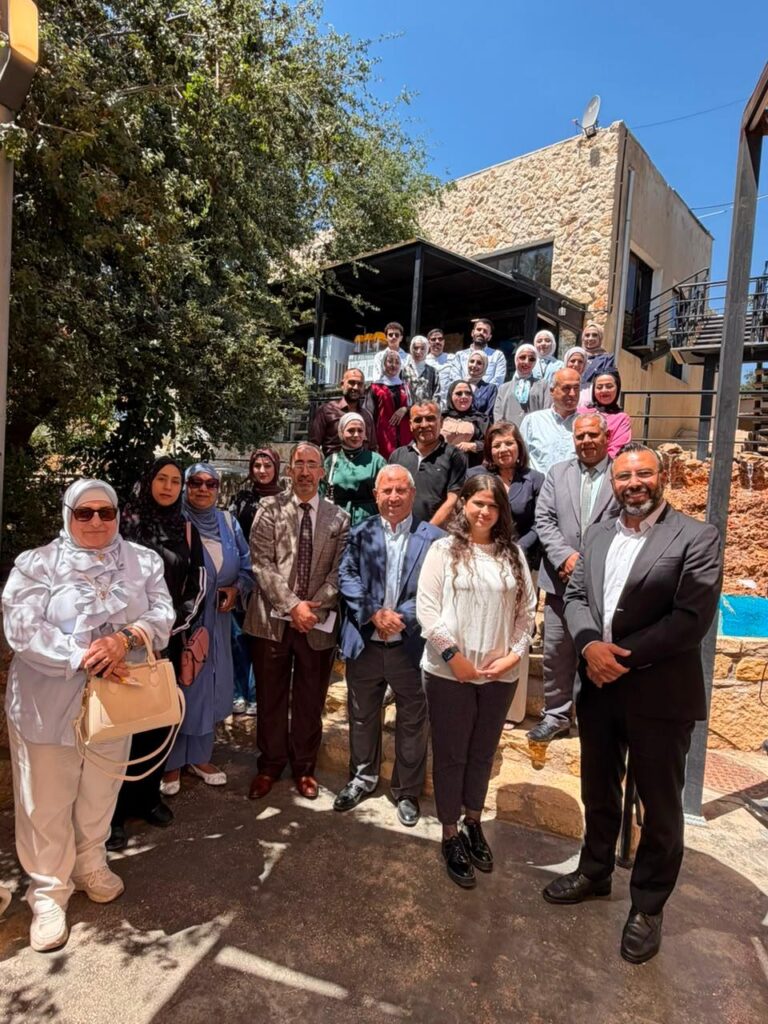
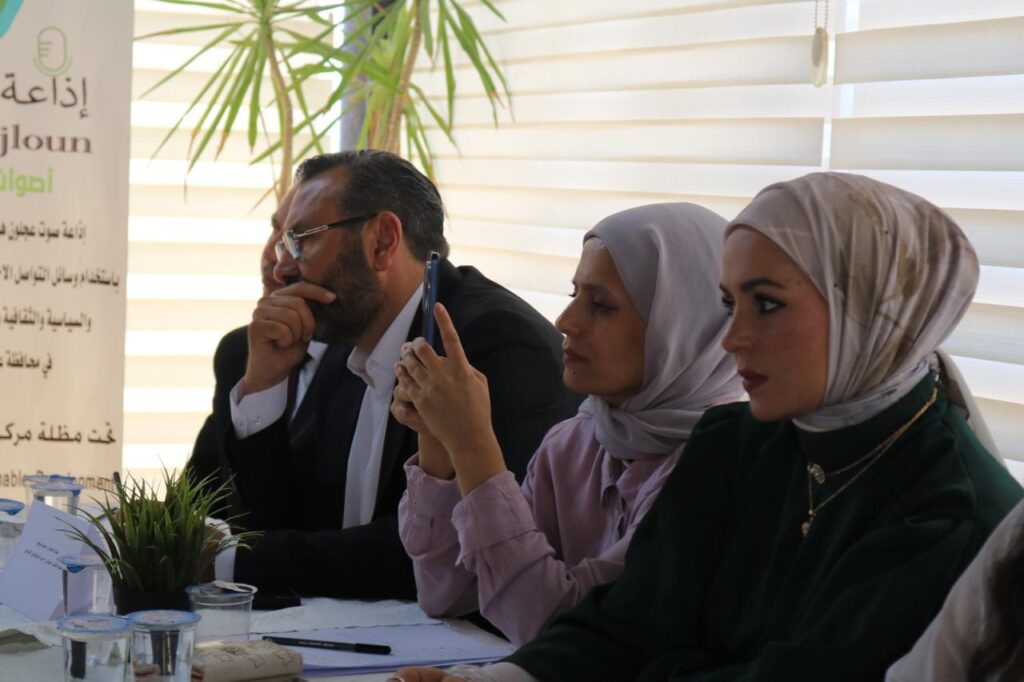
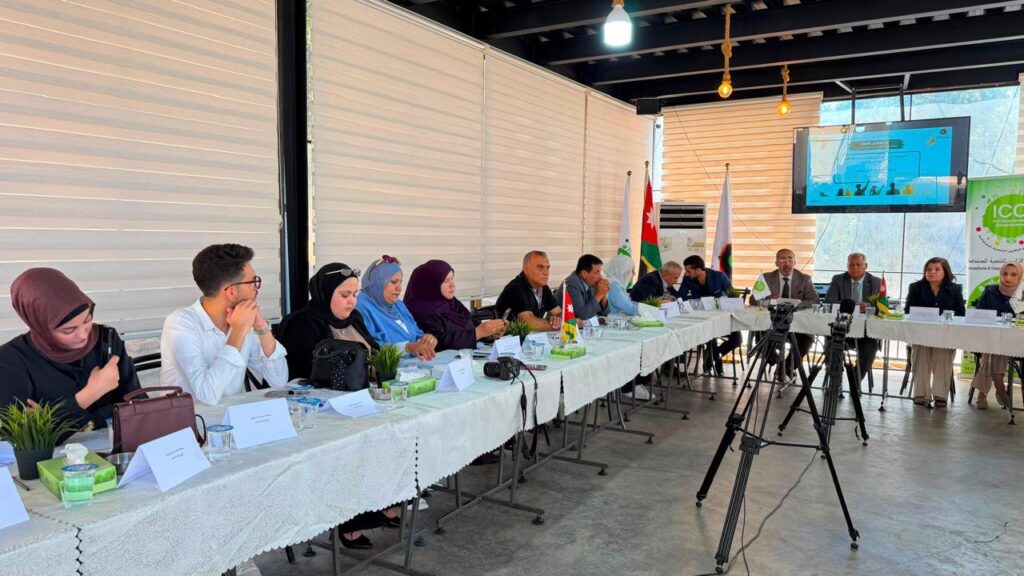
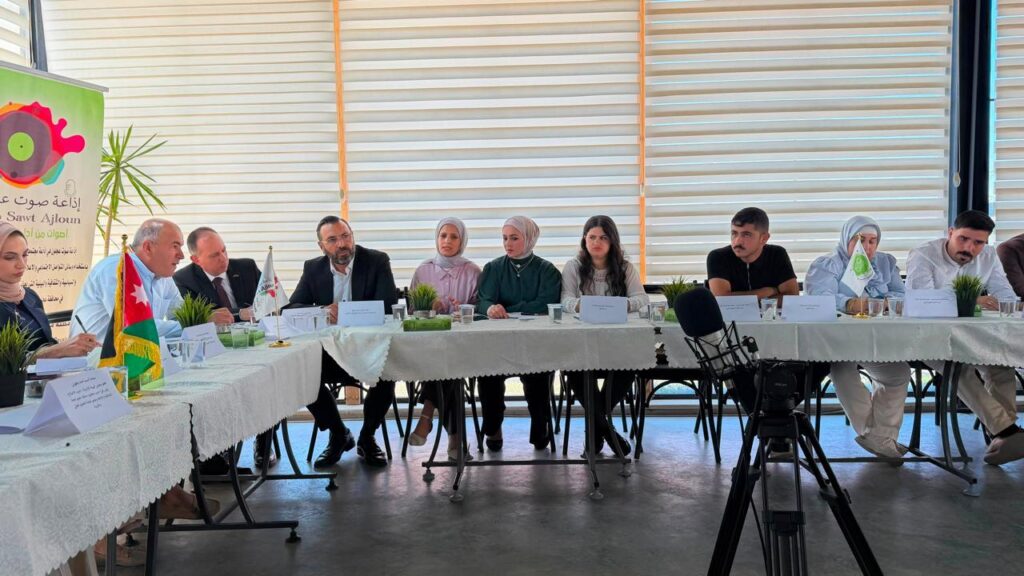
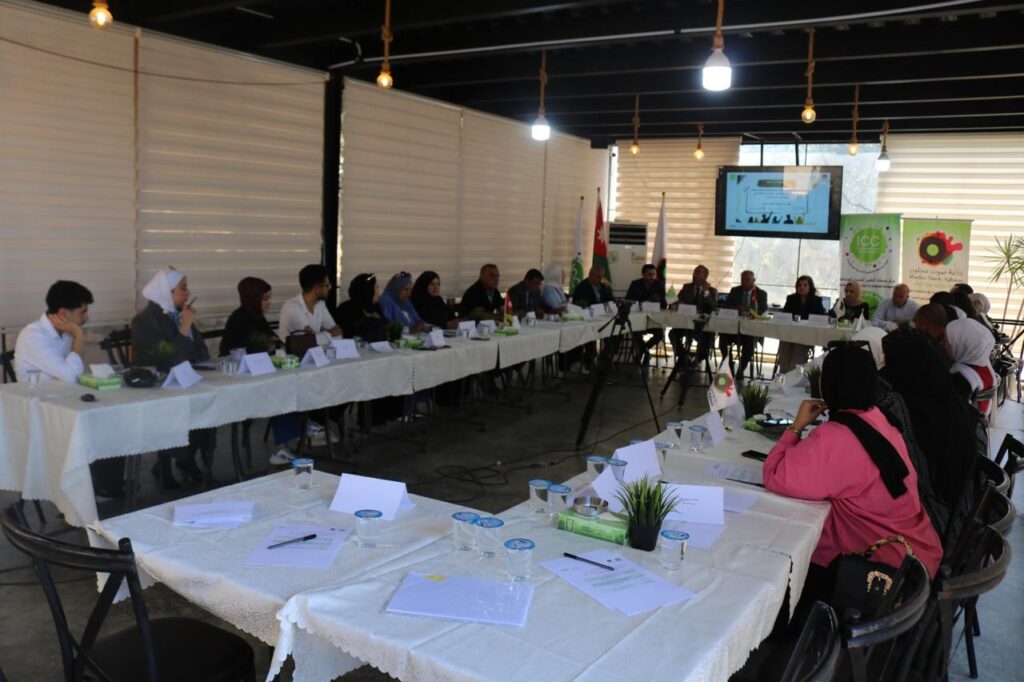
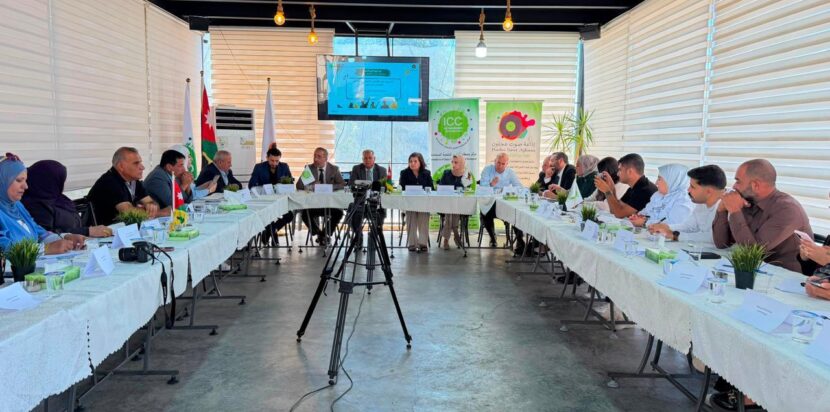
The session brought together 13 youth participants, alongside representatives of political parties, civil society organizations, and a number of local leaders, in an open dialogue addressing the current state of youth participation in party politics, the challenges they face, and the opportunities available to strengthen their presence in positions of influence and decision-making.
The session also addressed several key themes, including the current state of youth participation within political parties, the transition from membership to meaningful participation in decision-making, and the role of political parties in developing and empowering young political leaders. Discussions also examined the extent to which party programs respond to youth priorities in areas such as education, training, employment, economic empowerment, entrepreneurship, and local development. In addition, participants discussed mechanisms for building sustainable partnerships between political parties and youth based on dialogue, influence on public policies, and strengthening mutual trust.
Project Director Riham Qudah highlighted that these sessions provide a participatory dialogue space that enables youth to directly present their vision and aspirations to representatives of political parties and local decision-makers. She emphasized that the project seeks to transform the outcomes of the dialogue into practical and actionable recommendations that reflect youth needs and contribute to the development of political and party life at the local level.
Youth leaders participating in the project’s political party space emphasized that these meetings represent a genuine opportunity to amplify the voices of youth, strengthen their presence in public discussions, and build bridges of trust and cooperation with political parties. They noted that this reinforces the concept of meaningful participation, strengthens the role of youth as partners in Jordan’s political modernization process, and supports fair opportunities for young people to gain practical experience and assume political leadership positions within parties and in upcoming elections.
Dr. Montaser Al-Qudah, a member of the Political Bureau of Azm Party and an advisor to the party’s Secretary-General, emphasized the important role of political parties in engaging youth in political life, stressing the need to provide them with opportunities to assume leadership roles and influential positions within political parties. He also highlighted the importance of strengthening the representation of youth and women in party life in line with Jordan’s political modernization process, noting that their representation should exceed 50% to reflect their genuine role in political decision-making.
Al-Qudah emphasized that participation in political and party life represents an essential and irreversible path, stressing the importance of political parties clearly defining and publicly communicating their political identity and orientation. This would help youth understand the positions of each party and choose the political path that aligns with their convictions and aspirations, ultimately contributing to serving the national interest and strengthening meaningful political participation.
Dr. Haitham Arefej, a member of the Political Bureau of the Jordanian Social Democratic Party, highlighted the importance of strengthening youth representation within political parties through fair proportions that ensure their effective presence in decision-making positions. He also emphasized the importance of implementing development projects and programs that empower youth and women and raise their awareness of the importance of participating in political and party life.
Arefej noted that the Jordanian Social Democratic Party places particular emphasis on the political empowerment of youth by providing spaces that enable their active participation in party work, starting with preparing policy papers and contributing to the development of visions and proposals, through to engaging in advocacy and lobbying efforts and placing their issues and demands on the agendas of decision-makers. This, he noted, strengthens their role as active partners in political life.
Dr. Ahmad Batoush, a member of the Administrative Council of the Islah Party, emphasized that the importance of political parties today lies in their ability to create a tangible impact across various areas of life. He noted that the concept of youth should not be confined to a specific age, as youth participation in public life begins at the age of 18 and extends through commitment, determination, ambition, and the ability to contribute to building the future.
Batoush pointed out that political parties today need to strengthen their ability to attract youth and clearly communicate their programs and ideas, enabling young people to understand the orientations of each party and choose what aligns with their political interests and convictions. He also emphasized the need to strengthen cooperation and integration among different political parties and reinforce the principles of participatory engagement, contributing to the development of party work and strengthening its presence in political life.
For his part, Mamdouh Al-Zghoul, Head of the Namaa Party Branch, highlighted the importance of strengthening youth presence and meaningful participation in political and party life, contributing to tangible impact at both the local and national levels. He stressed the need to end the exclusion of young talent from the political sphere, make use of their experience and skills, and provide them with opportunities to become an integral part of the political landscape and decision-making process, thereby strengthening the role of youth as partners in shaping the future of political and party life.
In turn, Nadia Al-Rabadi, Director General of the Intermediaries of Change Center for Sustainable Development, emphasized that the Center continues to invest in creating safe and participatory dialogue spaces based on the belief that youth are not merely recipients of policies, but partners in shaping and developing them. She noted that strengthening dialogue among different stakeholders is a fundamental pillar for consolidating political participation and supporting development and reform processes.