


A fair exam is not the most difficult, but the most balanced.
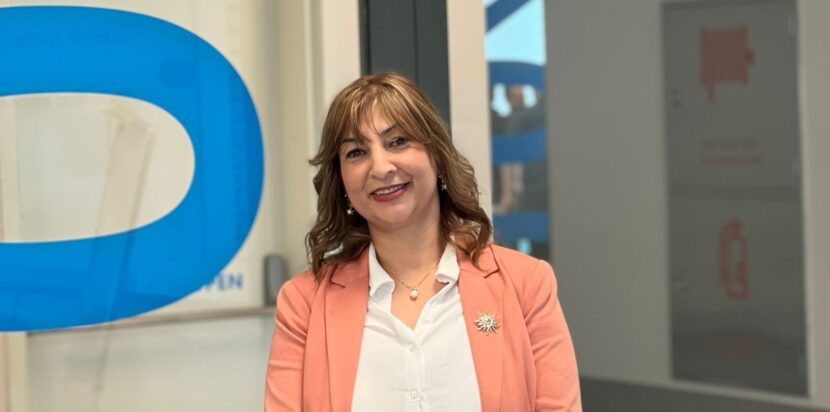
Written by teacher: Tamara Sahawneh
Education for All program
Voice of Ajloun Radio
The new mathematics exam for high school students (2008) reopened the debate about the philosophy of national exams, not only in terms of their difficulty, but also in terms of their ability to achieve the ultimate goal of assessment, which is to measure the different levels of students fairly and equitably.
In recent years, the Ministry of Education has moved towards developing examinations that align with modern curricula, focusing on critical thinking, analytical, and deductive reasoning skills rather than rote memorization. This educational approach deserves recognition and support. However, a successful examination is not measured solely by its ability to assess higher-order skills, but also by its capacity to measure all levels of learning, while taking into account the individual differences among students.
A fair exam is one that progresses in difficulty, beginning with easy questions that give all students a chance to build confidence, then moving to intermediate questions that measure understanding and application, and finally culminating in questions that require higher-order thinking skills, thus distinguishing the most proficient students. This progression is not an educational luxury, but rather a fundamental principle in test design, as it ensures equal opportunities and gives every student a genuine chance to demonstrate their level.
If the mathematics exam succeeded in assessing higher- and mid-level skills, the feedback raised by students and teachers nevertheless deserves careful consideration, particularly regarding the length and density of some questions and the time required to answer them. When time becomes the primary concern for a significant number of students, this calls for reviewing the balance between the nature of the questions and the time allocated to the exam. The goal should be to assess knowledge and thinking skills, not simply speed.
From my experience as a teacher, I understand that exams must maintain their prestige and academic rigor, but at the same time, they must give all students a fair opportunity to demonstrate their abilities. As a media professional, I believe that objectively conveying the perspectives of the educational field contributes to the development of the educational process and fosters a culture of constructive dialogue. And as a mother, I see in our children’s faces the extent of their hard work throughout the year, and I hope that every student feels their result reflects their true level, not the pressure of time constraints.
Fairness in the exam does not mean that it should be easy, nor that it should be very difficult, but rather that it should be balanced, measure all levels of students, take into account individual differences, and give every diligent student the opportunity they deserve to prove their knowledge and abilities.
🗣️ إخلاء المسؤولية: "إن محتوى هذا المنشور هو ضمن مسؤولية كتاب المدونة او المقال ولا يعكس بالضرورة موقف مركز وسطاء التغيير للتنمية المستدامة واذاعة صوت عجلون المجتمعية. جميع الحقوق محفوظة © يحظر استخدام أي جزء من محتوى هذا الموقع أو نسخه أو إعادة نشره أو نقله، كليًا أو جزئيًا، بأي وسيلة كانت، دون الحصول على إذن خطي مسبق من مركز وسطاء التغيير للتنمية المستدامة و/أو إذاعة صوت عجلون المجتمعية، وتحت طائلة المساءلة القانونية. ويُستثنى من ذلك الاستخدام الذي يتضمن الإشارة الصريحة والواضحة إلى المصدر.

Comments are closed