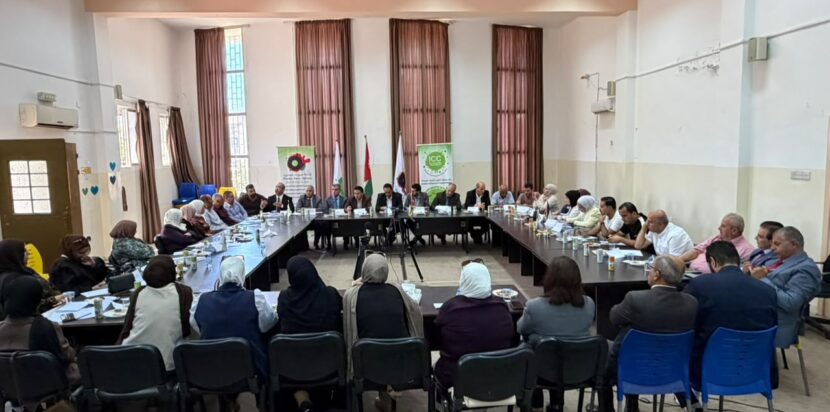
“No Voice on the Margin”: The Second Dialogue Session at Al-Junaid as Part of the ‘From Vision to Implementation’ Project
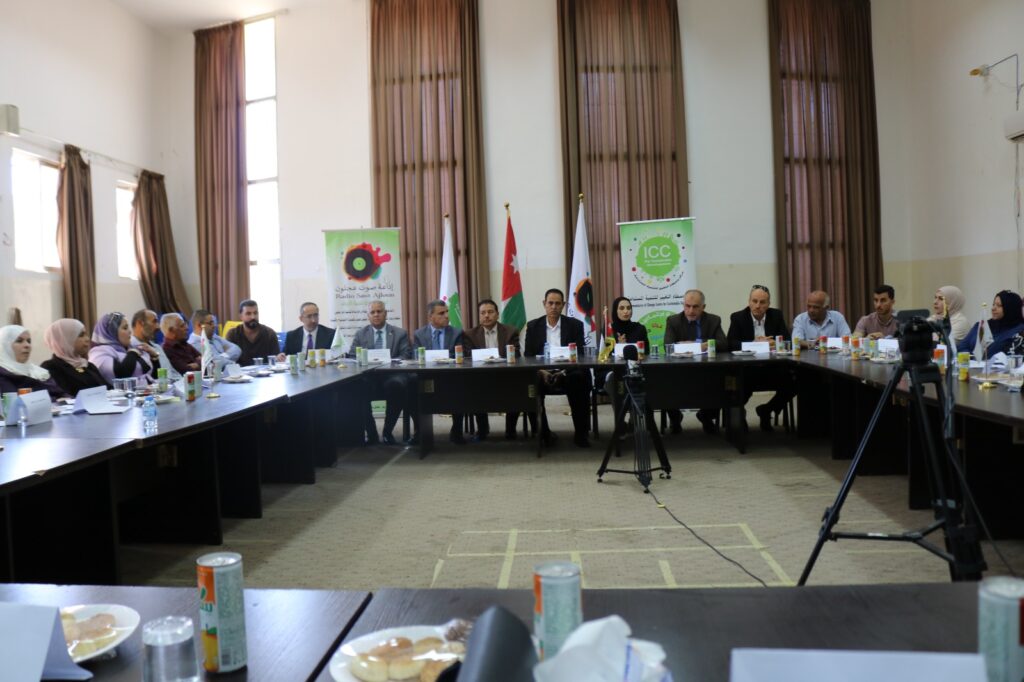
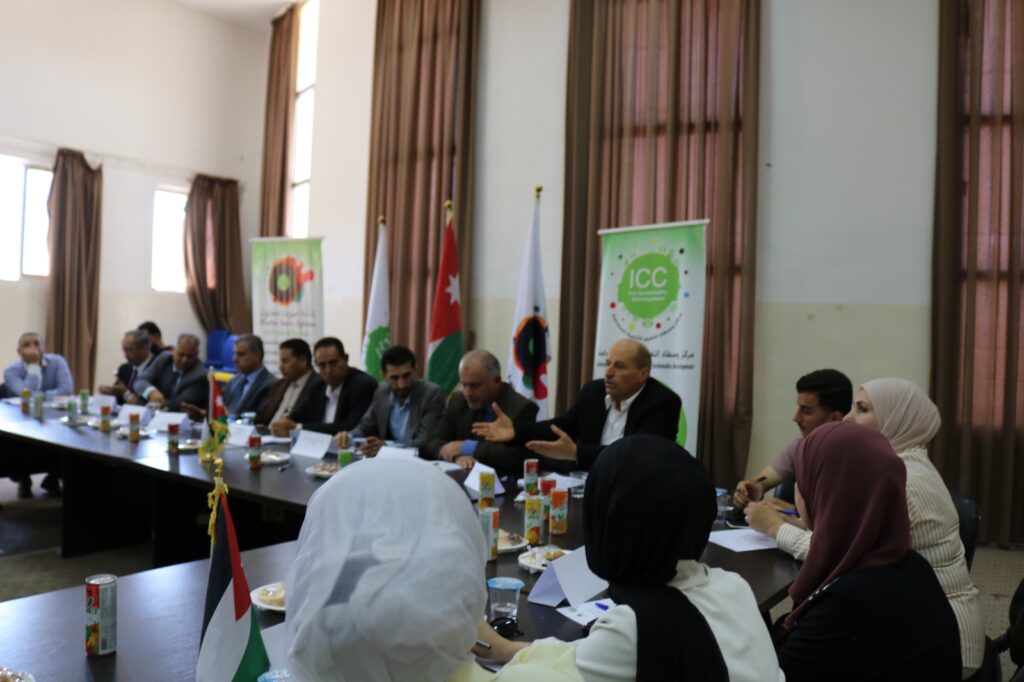
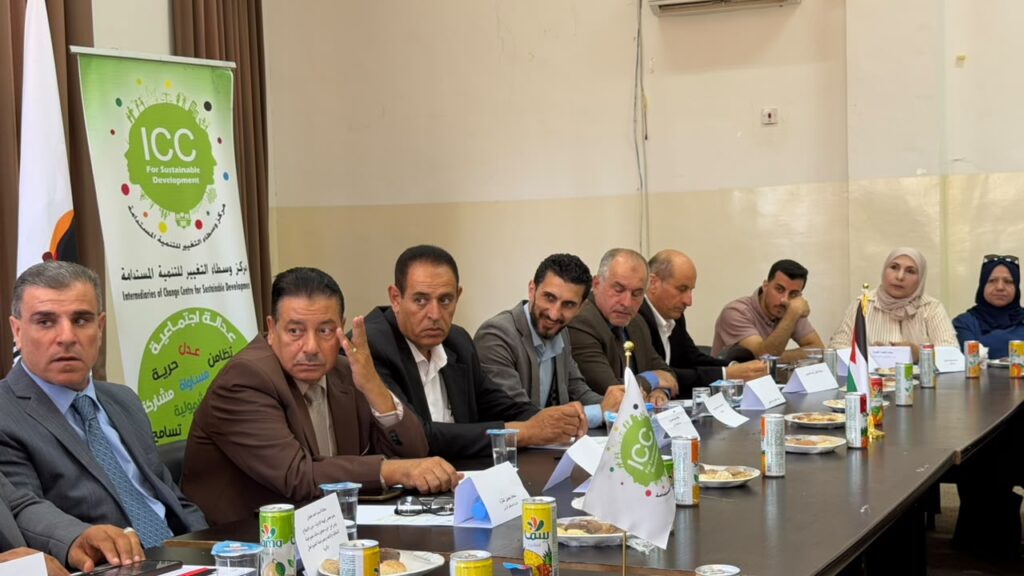
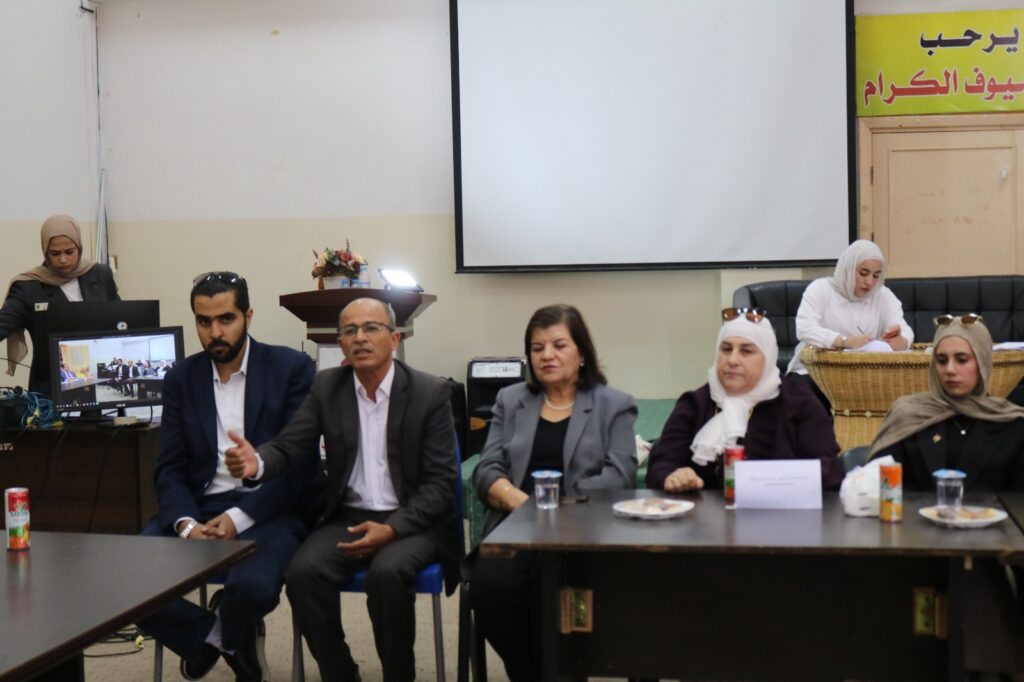
As part of the project “From Vision to Implementation: Political Parties Investing in Youth for a Promising Political Future,” Intermediaries of Change Center for Sustainable Development, in partnership with Sawt Ajloun Community Radio, and with support from the King Abdullah II Fund for Development through the Tamkeen Window for Supporting Political Projects, is organizing the second local dialogue session in the city of Ajloun, at the level of Al-Junaid Municipality, which aims to strengthen direct dialogue between youth and political parties and build sustainable partnerships that contribute to enhancing youth political participation, in line with the political modernization process in Jordan.
This session is part of a series of local dialogue meetings that the project will implement in Ajloun Governorate across three municipalities: Ajloun, Kufranjah, and Al-Junaid. The meetings aim to provide a dialogue space that brings together young men and women with representatives of political parties, civil society organizations, and local leaders to discuss issues affecting youth political participation and strengthen their role in public life. The sessions will ultimately lead to practical recommendations that reflect young people’s priorities and contribute to developing the relationship between youth and political parties on the basis of dialogue, partnership, and influence.
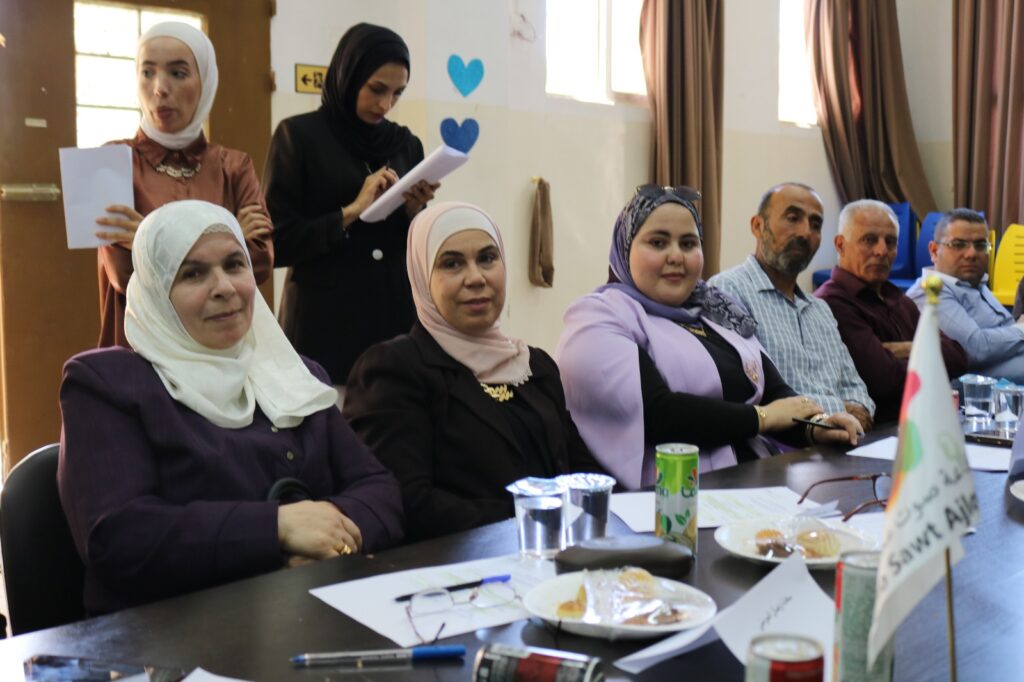
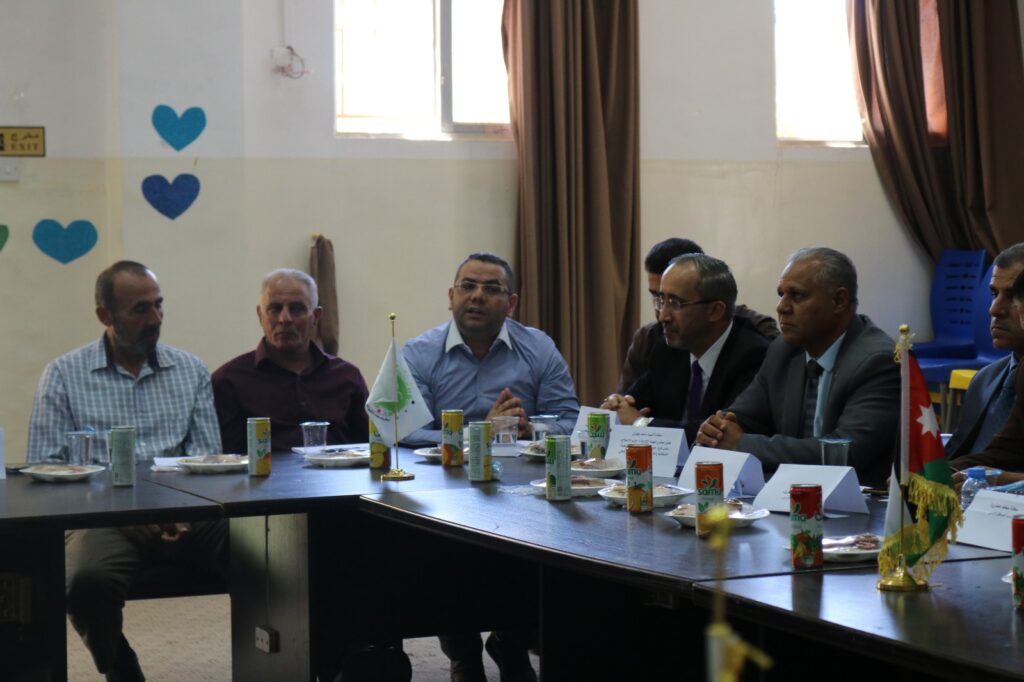
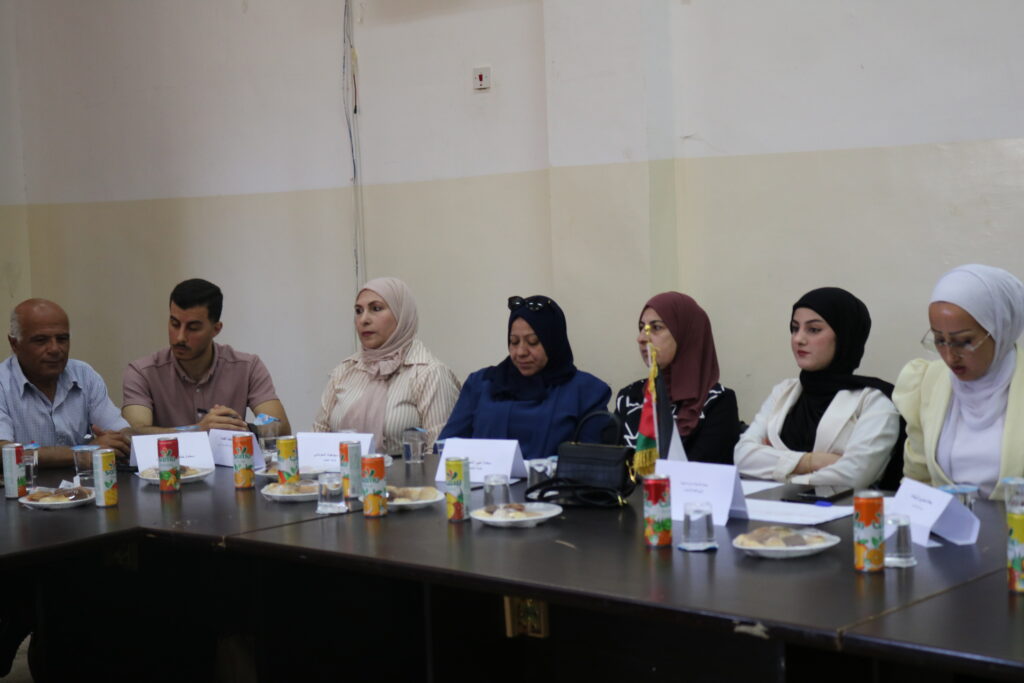
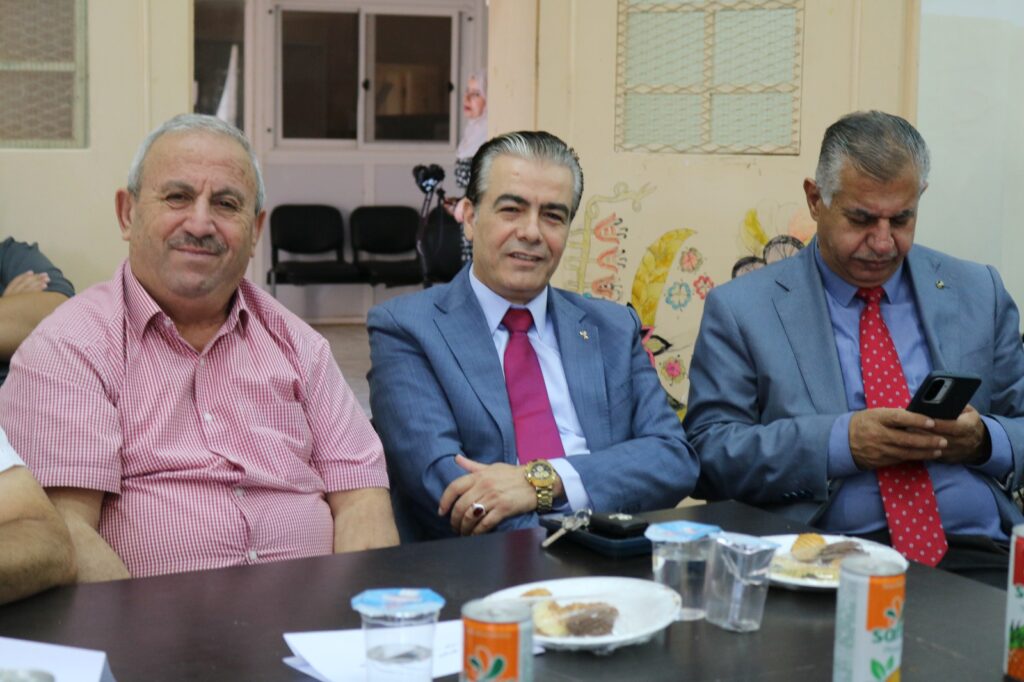
The session brought together 15 youth participants, alongside representatives of political parties, civil society organizations, and a number of local leaders, in an open dialogue that addressed the current state of youth participation in political party work, the challenges they face, and the opportunities available to strengthen their presence in positions of influence and decision-making.
The session also addressed several key themes, including the current state of youth participation within political parties, the transition from membership to meaningful participation in decision-making, and the role of political parties in developing and empowering young political leaders. Discussions also examined the extent to which party programs respond to youth priorities in areas such as education, training, employment, economic empowerment, entrepreneurship, and local development. In addition, participants discussed mechanisms for building sustainable partnerships between political parties and youth based on dialogue, influence on public policies, and strengthening mutual trust.
Project Director Riham Qudah highlighted that these sessions provide a participatory dialogue space that enables youth to directly present their vision and aspirations to representatives of political parties and local decision-makers. She emphasized that the project seeks to transform the outcomes of the dialogue into practical and actionable recommendations that reflect youth needs and contribute to the development of political and party life at the local level.
Youth leaders participating in the project’s political party space emphasized that these meetings represent a genuine opportunity to amplify the voices of youth, strengthen their presence in public discussions, and build bridges of trust and cooperation with political parties. They noted that this reinforces the concept of meaningful participation, strengthens the role of youth as partners in Jordan’s political modernization process, and supports fair opportunities for young people to gain practical experience and assume political leadership positions within parties and in upcoming elections.
Suleiman Al-Qudah, Head of the Azm Party branch in Ajloun, noted that political parties are currently going through a phase of political engagement in line with Jordan’s political modernization process. He pointed out that this experience is still in its establishment and incubation stage, adding that the party views its level of performance and engagement with various political and societal issues positively.
Al-Qudah emphasized that political party work should be based on institutional foundations, بعيداً عن tribal and familial considerations. He stressed the importance of separating institutional work within political parties from tribal frameworks, in a way that contributes to building a more effective and sustainable party life.
He also highlighted the importance of political parties promoting themselves and raising awareness of their programs and objectives, considering this essential to ensuring that the parties’ political messages reach different areas and segments of society, while strengthening their presence beyond urban centers.
Al-Qudah expressed his appreciation for organizing such dialogues in different areas of Ajloun Governorate, emphasizing the importance of extending discussions on political modernization and political party work to outlying areas and communities beyond the governorate center. He noted that this would provide youth and local communities with greater opportunities to participate and express their views.
Dr. Ali Al-Momani, a member of the Jordanian Namaa Party, noted that youth in Ajloun Governorate demonstrate a clear interest in political, economic, and cultural issues. He emphasized that political parties are currently going through a phase of growth and transition toward a new stage of political party work.
Al-Momani emphasized the importance of providing young people with opportunities to assume leadership positions and participate effectively in decision-making. He noted that there is now space for various segments of society to freely express their views and positions on the political and party landscape.
He pointed to the presence of certain shortcomings and challenges that continue to affect political and party work due to various factors, expressing hope that these can be overcome by continuing party reforms and consolidating democratic political practices, while also expanding opportunities for youth participation in shaping the political and party landscape without exception.
Al-Momani stressed the importance of benefiting from the experience and expertise of party leaders who have held leadership positions in previous stages, emphasizing that their role is not limited to leadership but also extends to transferring knowledge and experience to the next generation. This, he noted, contributes to developing young leaders capable of continuing party work and advancing the political modernization process.
Dr. Haifa Al-Taifour, a member of the Women’s Committee of the National Union Party, highlighted the importance of the approach adopted by political parties in enhancing the participation of youth and women in political and party work. She emphasized that a complete and inclusive party landscape requires the effective involvement of these two groups across various areas and levels of party work.
Al-Taifour emphasized the importance of non-affiliated youth developing their political knowledge and capacities and engaging in political party life, which would contribute to strengthening their presence and ensuring fair representation in Ajloun Governorate, while supporting youth-focused political empowerment efforts.
She also stressed that the participation of youth and women in political party work is a fundamental element in building more inclusive and representative parties. She noted that youth and women constitute a significant proportion of society, which calls for strengthening their presence in party membership, leadership positions, and decision-making processes.
Ahmed Batoush, a member of the Administrative Board of the Reform Party, noted that the level of youth representation within political parties is appropriate and fair, providing young people with a genuine opportunity to attain leadership positions within party structures. He emphasized the importance of making use of this space to strengthen youth participation in political and party life.
Batoush stressed the need for party leaders to be selected through elections rather than by acclamation, in order to consolidate democratic practices within political parties and strengthen democratic practice in Jordanian political life.
Regarding political awareness, Batoush explained that citizens’ level of awareness is developing rapidly compared to previous stages, as a result of growing interest in political affairs among various segments of society, alongside the importance of the political modernization process in promoting political and party participation.
Yousef Al-Aroud, a member of the Jordanian Future and Life Party, noted that some young people still experience hesitation and fear regarding joining political parties. He emphasized the need to strengthen confidence in party work and encourage youth to actively participate in political life.
He emphasized that youth are essential partners for political parties, calling for the identification of the challenges and barriers that prevent them from joining and for efforts to address them, particularly those related to young people’s lack of confidence in the value of party participation and its potential to influence decision-making.
Dr. Montaser Al-Qudah, a member of the Political Bureau of the Azm Party and Advisor to the Party’s Secretary-General, noted that participation in political and party life represents an essential and irreversible path. He stressed the importance of political parties clearly defining their political identity and direction and communicating them to the public. This would help young people understand the orientations of each party and choose the party path that aligns with their convictions and aspirations, ultimately contributing to serving the national interest and strengthening effective political participation.
For his part, Dr. Sufyan Al-Momani stressed the need for political parties to take their responsibilities more seriously, particularly in light of the move toward forming parliamentary councils based on party politics, considering this an essential part of the future of political life in Jordan.
He emphasized the importance of political parties having clear and publicly announced programs that include mechanisms for attracting citizens and expanding the base of participation, alongside developing party work and preparing new leaders capable of assuming responsibility and leading the next stage.
He noted that political parties represent an essential component of the legislative process and parliamentary work, calling for greater public awareness of citizens’ rights and their role in political party life. He explained that a significant segment of society still lacks sufficient knowledge of their rights and responsibilities related to political party work.
He also stressed the importance of introducing political and legal education into schools, which would contribute to raising students’ awareness and enabling them to understand political and party-related issues and engage with them appropriately. At the same time, he highlighted the growing role of social media in raising awareness and promoting political participation.
Dr. Thabet Al-Momani emphasized the importance of viewing political parties as part of a unified national system that shares a common responsibility for strengthening political and party life. He stressed that there is common ground among the various political parties, particularly the need to raise political awareness among youth and empower them to participate effectively in public life.
Al-Momani stressed the importance of preparing and qualifying young people to assume leadership positions within the political and party landscape, thereby strengthening their role in decision-making and supporting political modernization efforts in Jordan.
In turn, Nadia Al-Rabadi, Director General of the Intermediaries of Change Center for Sustainable Development, emphasized that the Center continues to invest in creating safe and participatory dialogue spaces based on the belief that youth are not merely recipients of policies, but partners in shaping and developing them. She noted that strengthening dialogue among different stakeholders is a fundamental pillar for consolidating political participation and supporting development and reform processes.