“No Voice Left on the Sidelines”: The Third Dialogue Session in Kafranga as Part of the “From Vision to Implementation” Project
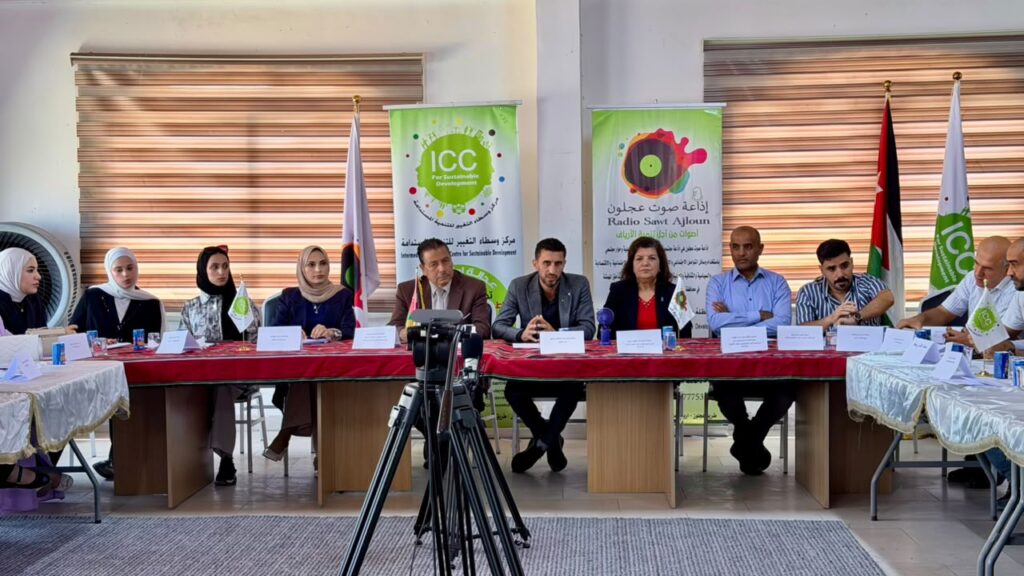
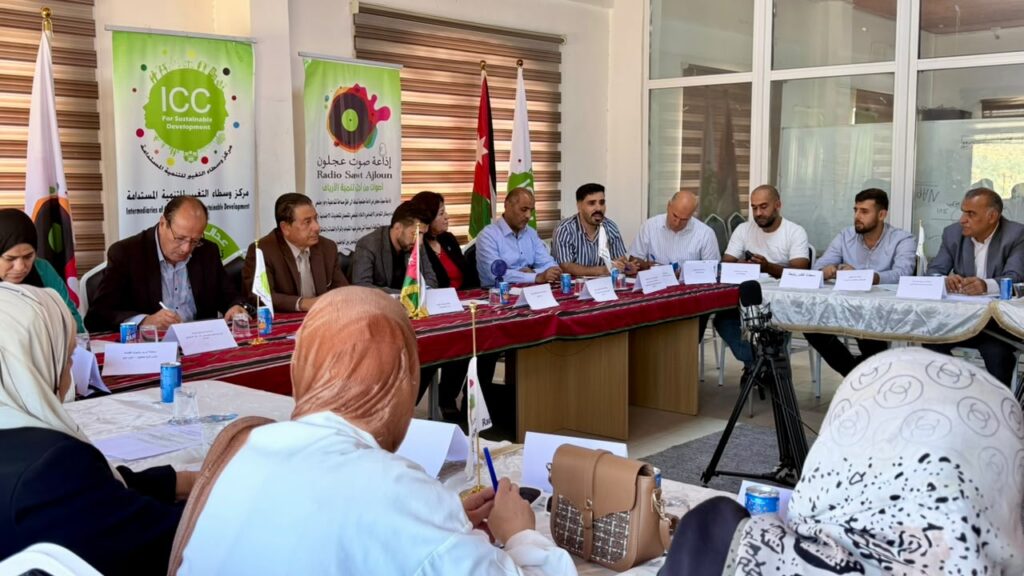
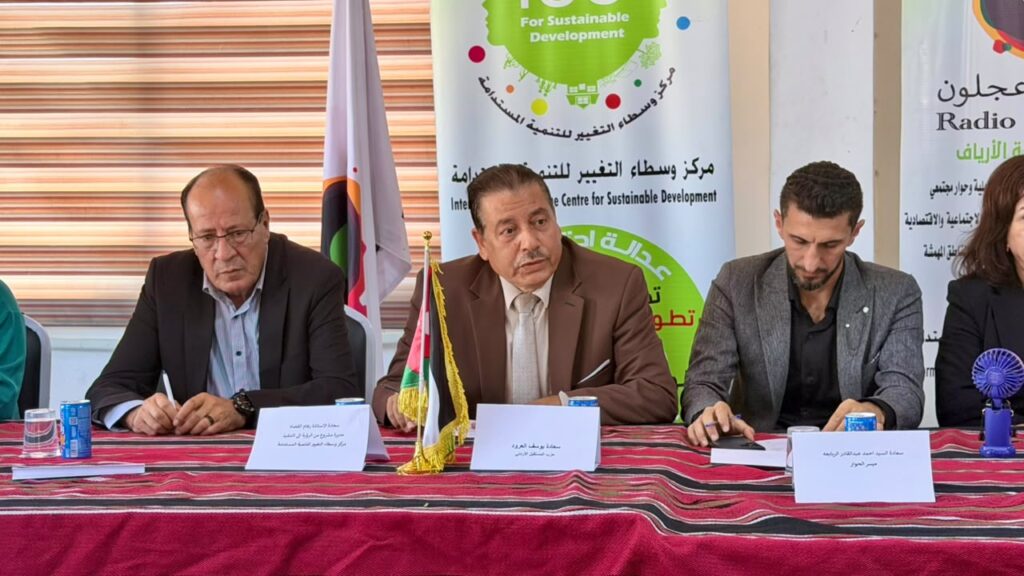
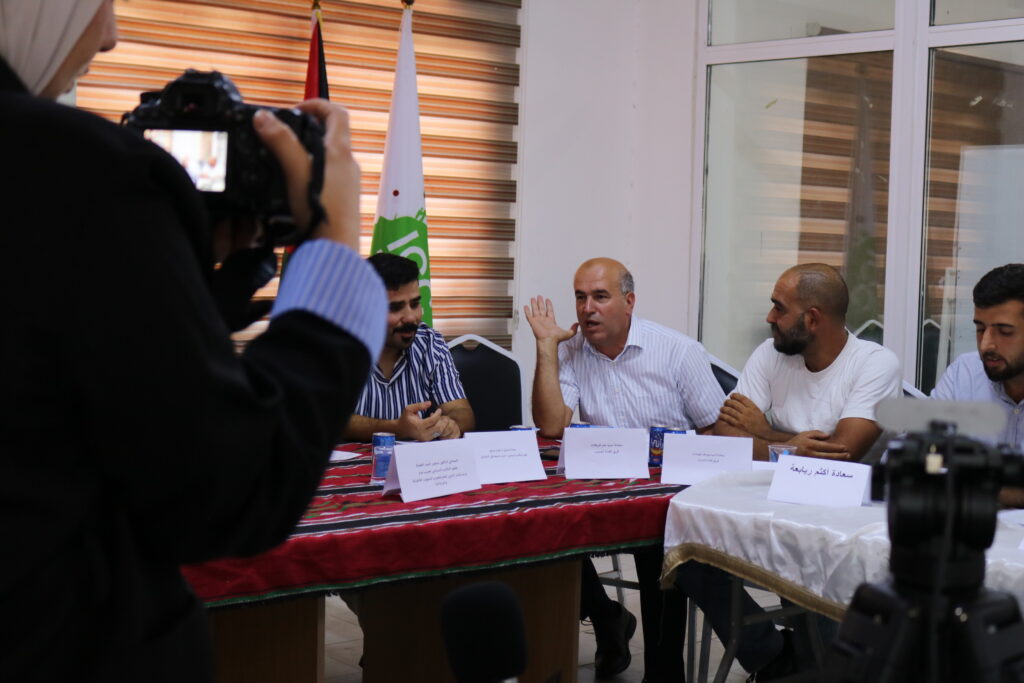
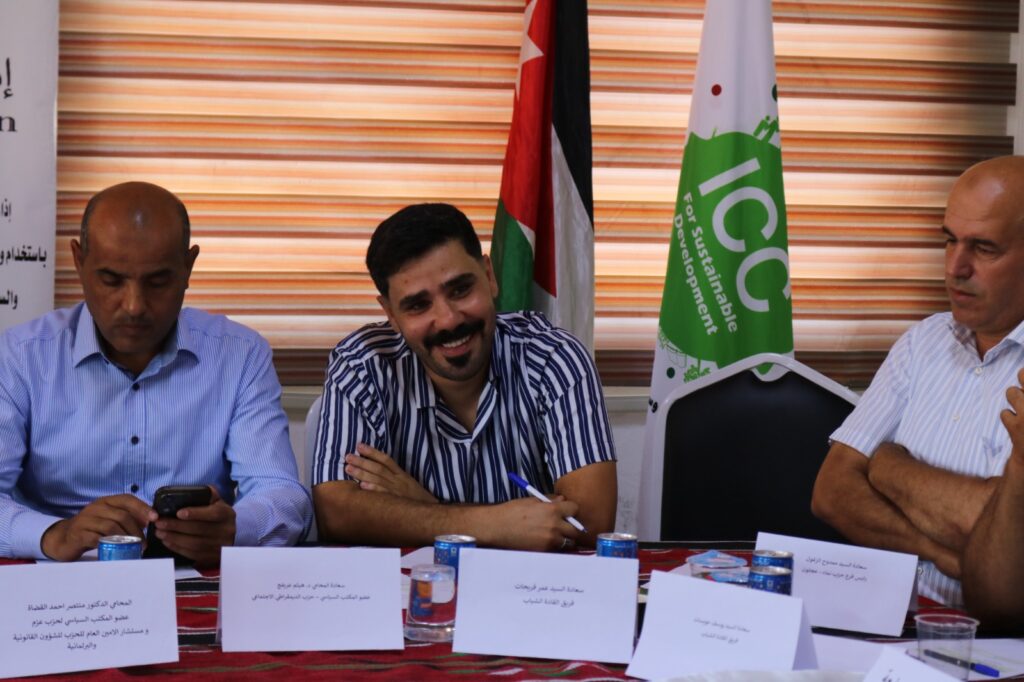
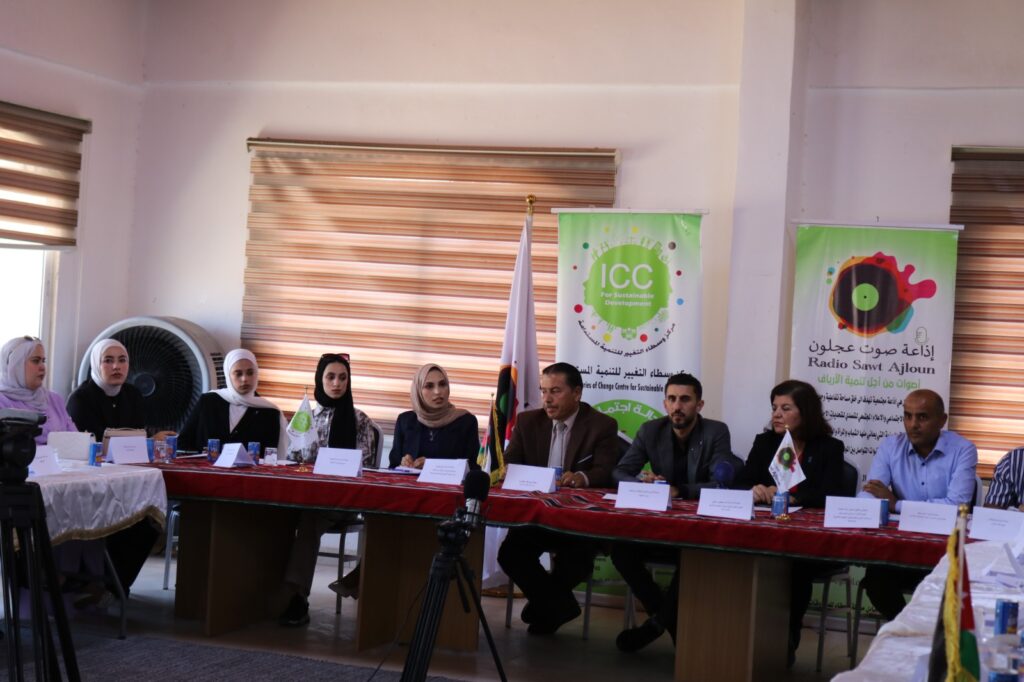
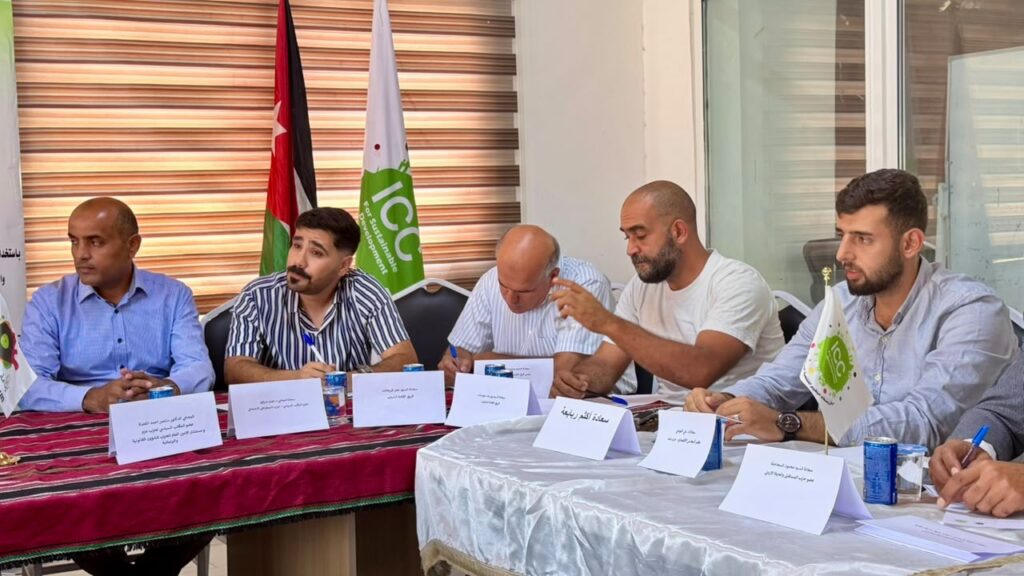
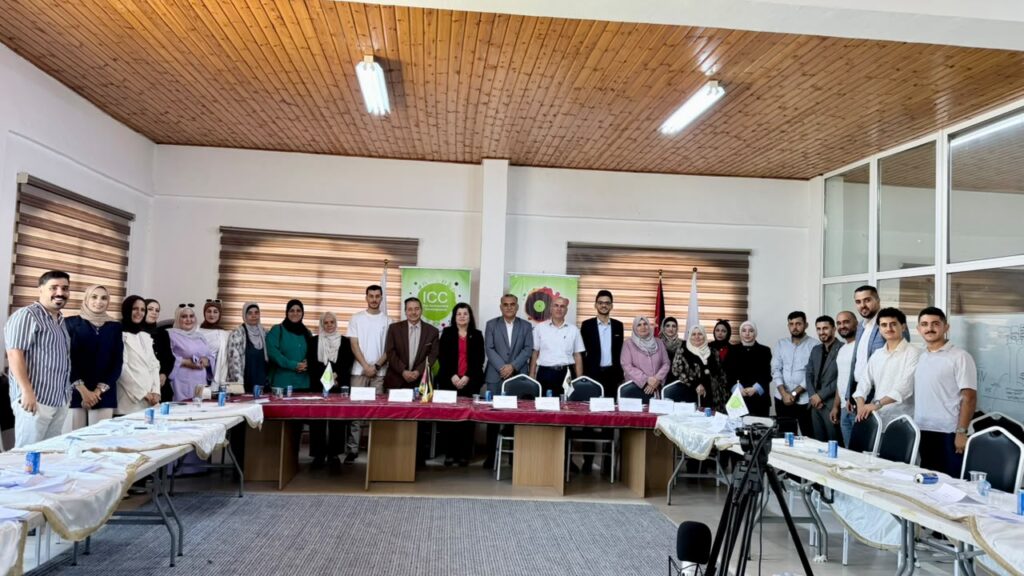
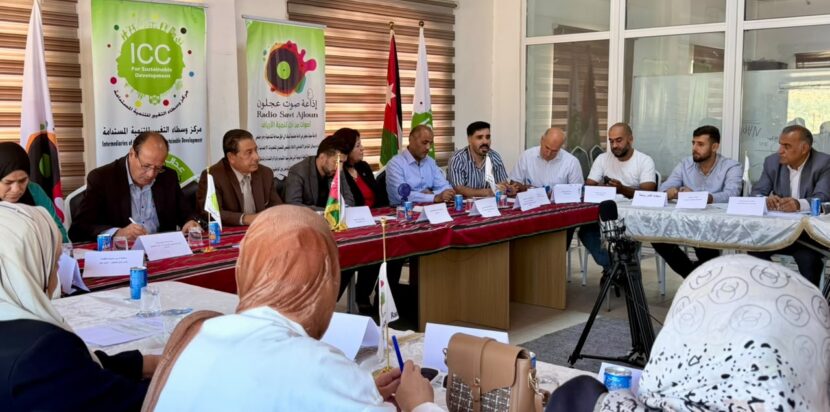
As part of the project “From Vision to Implementation: Investing in Youth through Political Parties for a Promising Political Future,” the Intermediaries of Change Center for Sustainable Development, in partnership with Sawt Ajloun Community Radio, and with support from the King Abdullah II Fund for Development (KAFD) through the Tamkeen Window for Supporting Political Projects, organized the third local dialogue session in Ajloun Governorate, at the level of the New Kafranga Municipality. The session aimed to strengthen direct dialogue between young people and political parties and to build sustainable partnerships that contribute to enhancing youth political participation, in line with Jordan’s political modernization process.
This session is part of a series of local dialogue meetings that the project will implement in Ajloun Governorate across three municipalities: Ajloun, Kafranga, and Al-Junaid. The meetings aim to provide a dialogue space that brings together young men and women with representatives of political parties, civil society organizations, and local leaders to discuss issues affecting youth political participation and strengthen their role in public life. The sessions will ultimately lead to practical recommendations that reflect young people’s priorities and contribute to developing the relationship between youth and political parties based on dialogue, partnership, and meaningful influence.
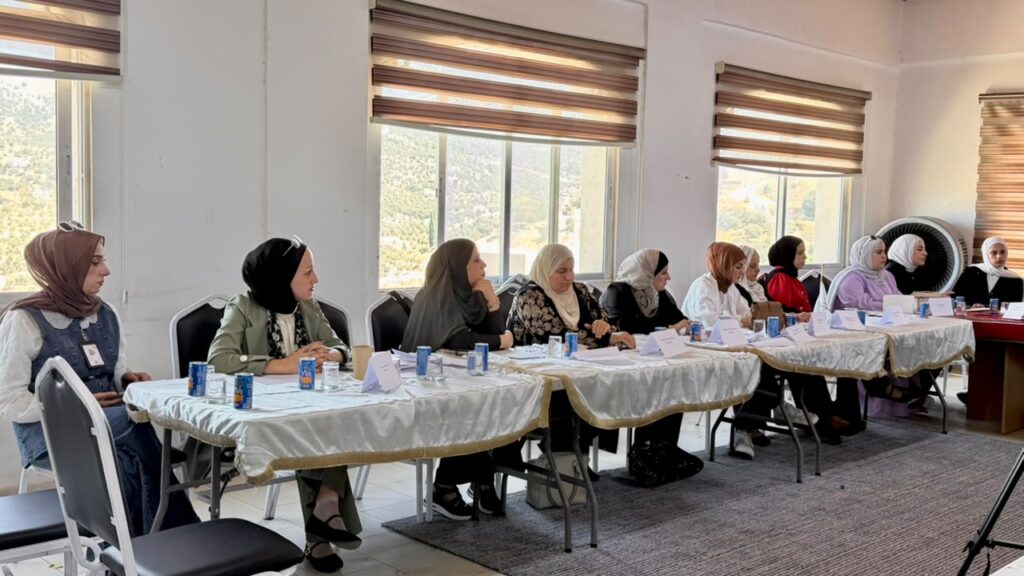
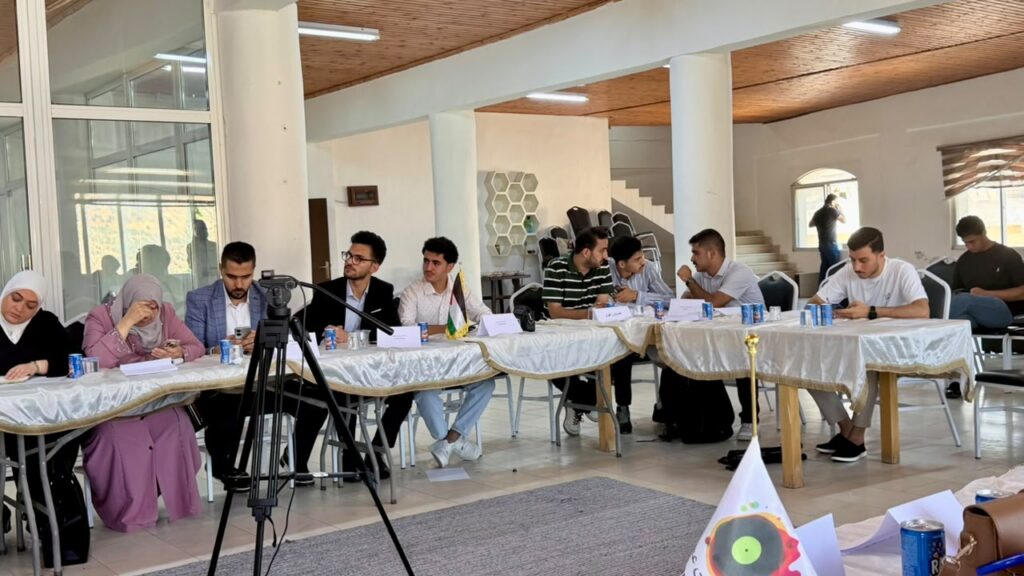
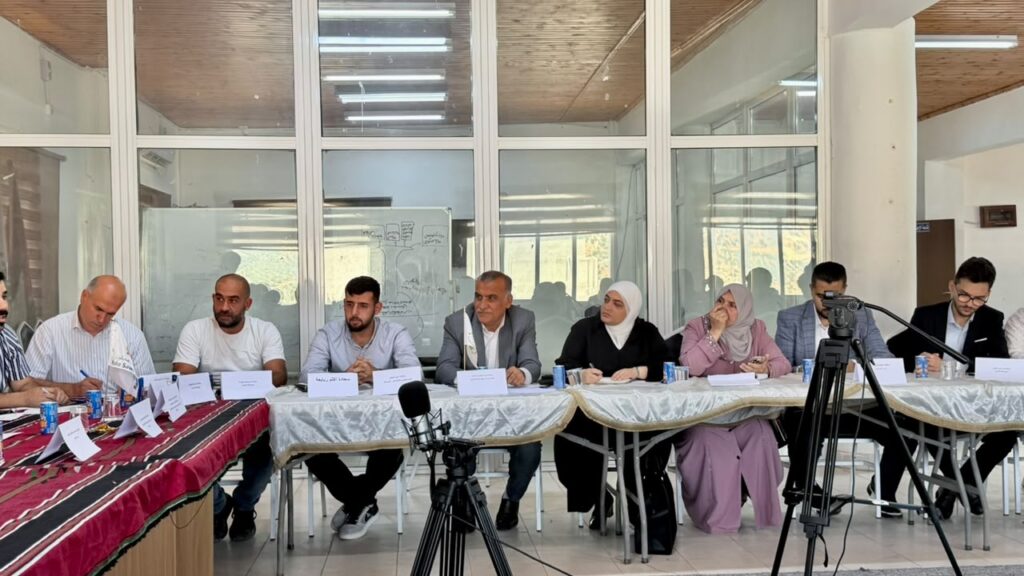
The session brought together 17 young participants, alongside representatives of political parties, civil society organizations, and a number of local leaders, in an open dialogue addressing the current state of youth participation in political party activities, the challenges they face, and the opportunities available to strengthen their presence in positions of influence and decision-making.
The session also addressed a number of key themes, including the current state of youth participation within political parties; the transition from membership to meaningful participation in decision-making; the role of political parties in preparing and empowering young political leaders; and the extent to which party programs respond to youth priorities in areas such as education, training, employment, economic empowerment, entrepreneurship, and local development. The discussion also explored mechanisms for building a sustainable partnership between political parties and young people based on dialogue, influence on public policy, and strengthening mutual trust.
Project Manager Riham Qudah noted that these sessions provide a participatory dialogue space that enables young people to directly present their vision and aspirations to political party representatives and local decision-makers. She emphasized that the project seeks to translate the outcomes of these dialogues into practical and actionable recommendations that reflect young people’s needs and contribute to advancing political and party life at the local level.
Youth leaders participating in the project’s political party space emphasized that these meetings represent a genuine opportunity to amplify the voices of youth, strengthen their presence in public discussions, and build bridges of trust and cooperation with political parties. They noted that this reinforces the concept of meaningful participation, strengthens the role of youth as partners in Jordan’s political modernization process, and supports fair opportunities for young people to gain practical experience and assume political leadership positions within parties and in upcoming elections.
Yousef Al-Aroud, representative of the Jordanian Future Life Party, highlighted the key challenges facing political parties in promoting youth participation and engagement in political and party life. He questioned the extent to which young people are genuinely prepared to join political parties and whether internal or societal factors may be limiting their willingness to engage in political participation.
Al-Aroud explained that political parties today encompass diverse dimensions, programs, and orientations, some of which may constitute barriers for young people or contribute to weakening their confidence in party programs and their ability to meet their aspirations. He also emphasized the importance of building bridges of trust between youth and political parties, working to overcome young people’s fears and hesitation toward joining parties, and addressing the stereotypes associated with party membership and its potential implications.
He stressed the need to raise young people’s awareness of the importance of party participation as one of the key tools for engaging in decision-making, alongside developing party programs that are more responsive to youth issues and needs. Such efforts, he noted, can contribute to attracting young people and empowering them to play active roles in political and party life.
Mamdouh Al-Zghoul, Head of the Ajloun Branch of the Nama’a Party, noted that political parties, despite differences in their orientations and programs, share a fundamental objective: serving the country and strengthening the role of youth in political life. He emphasized that differences in political orientations do not eliminate opportunities for cooperation and partnership, which can contribute to advancing the national interest.
Al-Zghoul explained that political parties should provide a genuine and effective space for young people, working with and for them by developing programs and initiatives that respond to their issues and needs and strengthen their political and party participation. He also stressed the importance of political parties being more open and willing to listen to young people’s demands and aspirations and to translate them into programs and policies that reflect their priorities, empower them, and strengthen their presence in the political arena.
Mawjoudoline Freihat, Secretary-General of the Jordanian Social Democratic Party branch, noted that the party places significant emphasis on youth and works to listen to their perspectives and needs and enhance their participation in political and party life. She explained that the party launched the “Shatha” Program, which focuses on empowering and training young people and raising their political and party awareness, in addition to increasing youth membership in political parties.
Freihat affirmed that the Jordanian Social Democratic Party has clear plans to strengthen youth participation, one of the key outcomes of which is the “Party School,” which the party is currently implementing at a number of universities. The initiative aims to engage young people and develop their political and party-related knowledge and skills.
She also stressed that responsibility for strengthening political participation does not rest solely with political parties, but also with young people themselves. She called on youth to learn about the programs and orientations of political parties and choose the party that aligns with their convictions and aspirations, free from any pressure or directives, ensuring that their political and party participation stems from genuine conviction and informed decision-making.
Basha Ismail Al-Aroud, Head of the New Kafranga Municipal Committee, welcomed the contributions and recommendations presented by the young participants. He highlighted the importance of political parties today despite the obstacles faced by both sides, including youth perspectives and the way political parties operate. He referred to the notion that “too much crowding hinders movement,” describing the multiplicity of political parties as one of the major current challenges, as it may lead to confusion and divert attention from the fundamental purpose of political parties.
He stressed the need for political parties to focus on youth initiatives to ensure the achievement of the primary objective: establishing effective and highly competent party-based political work.