Conclusion of the Training Program for the “From Vision to Implementation” Project to Strengthen Youth Political Participation
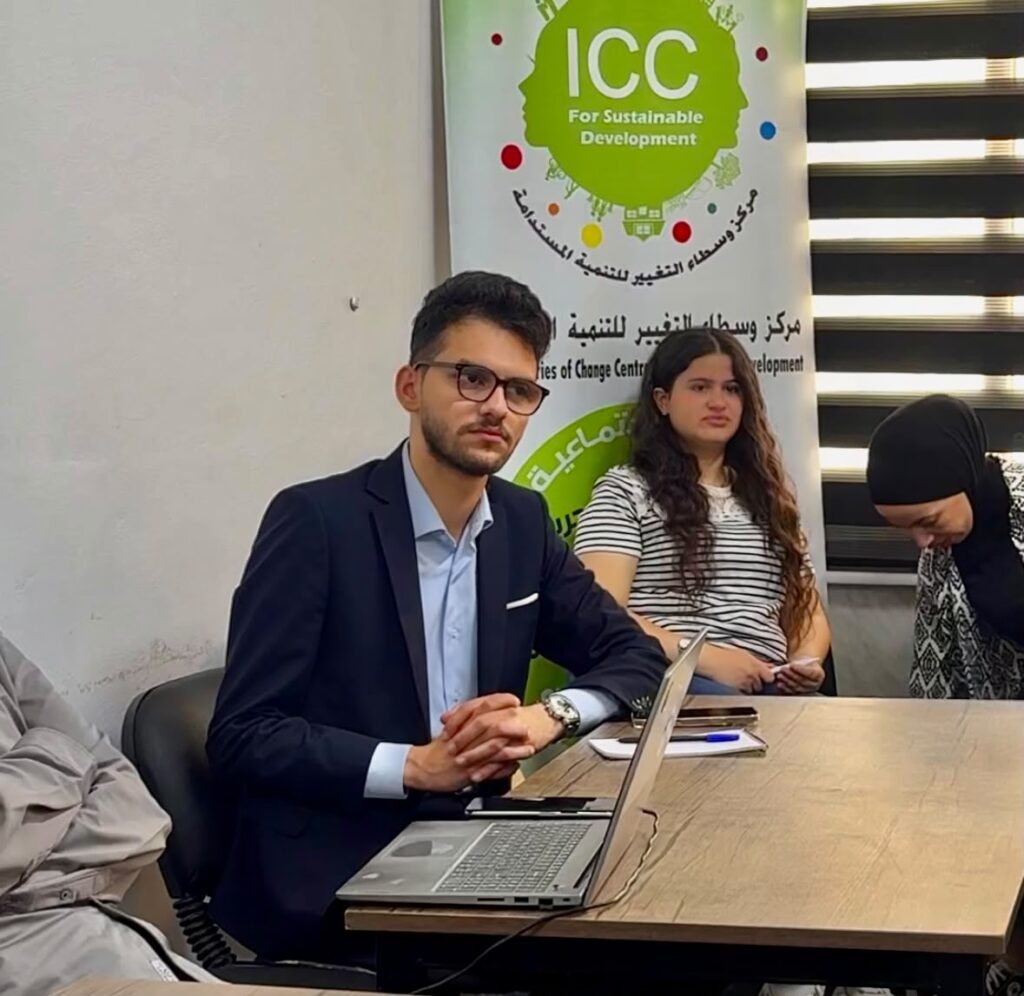
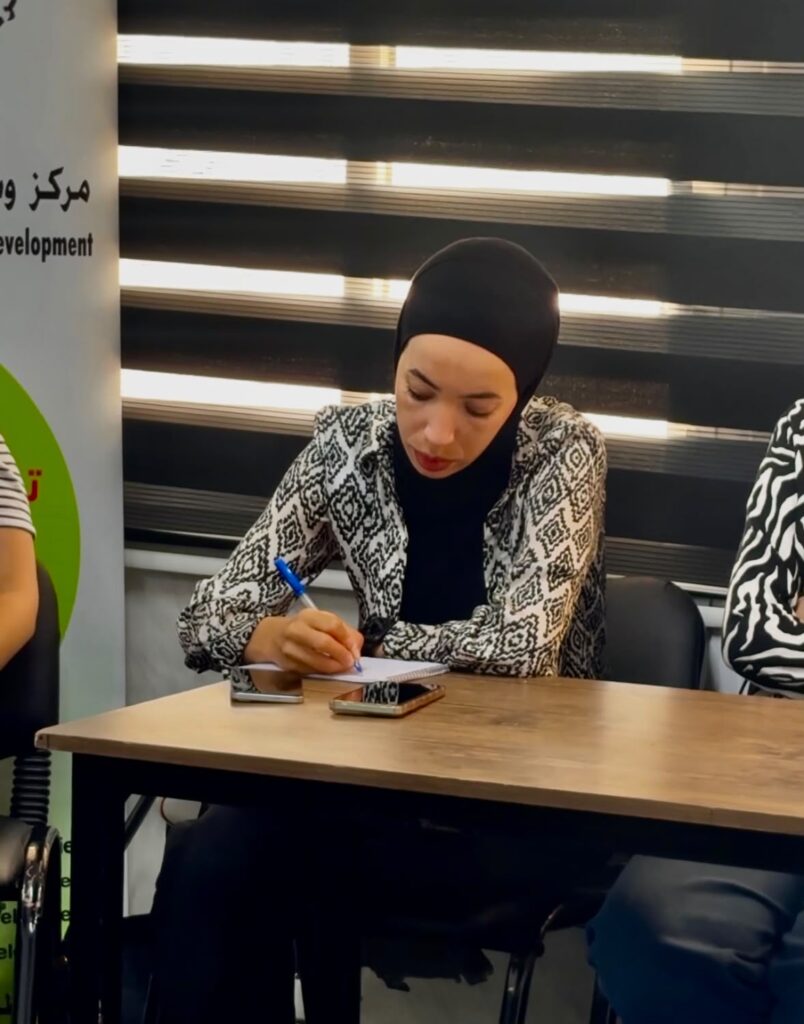
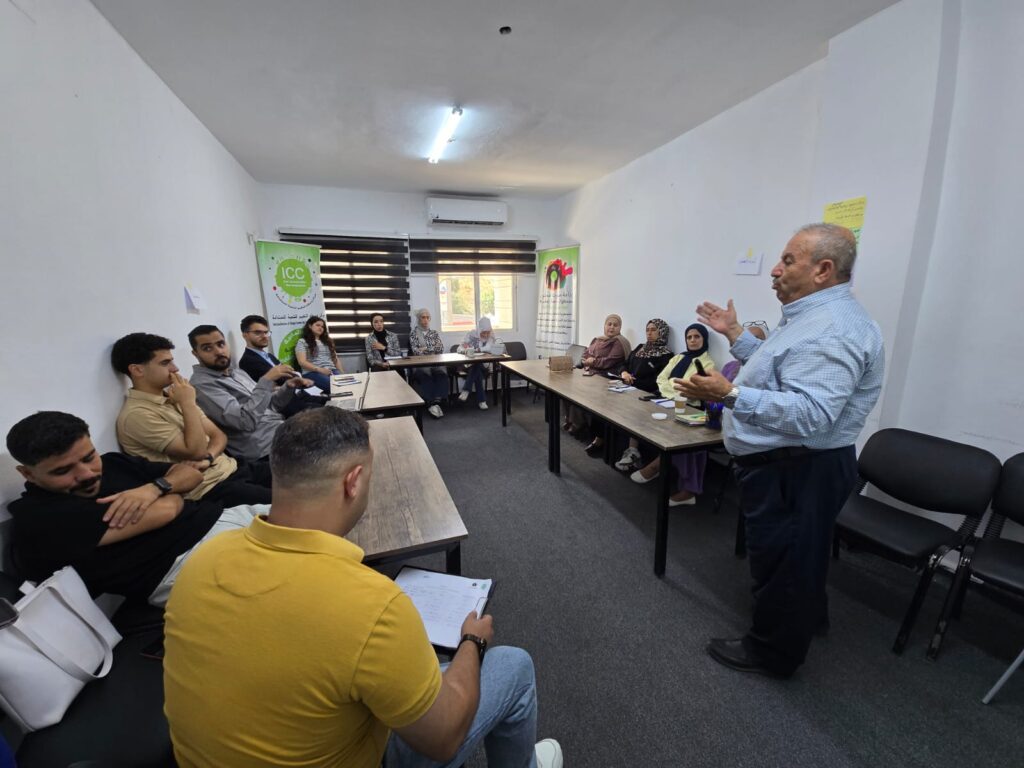
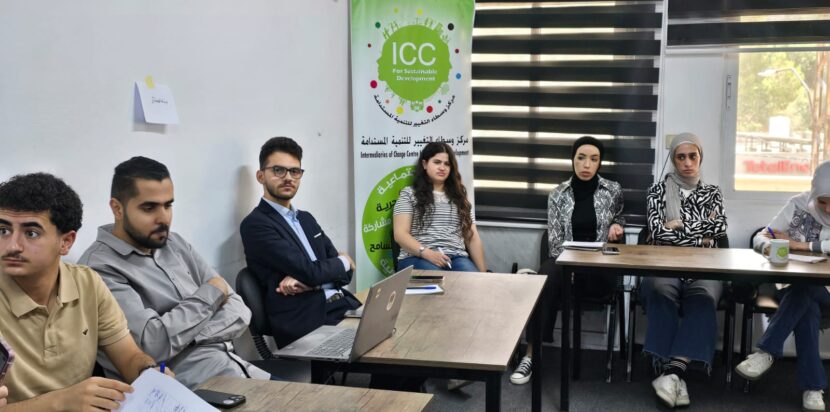
The Intermediaries of Change Center for Sustainable Development, in partnership with Sawt Ajloun Community Radio and with the support of the King Abdullah II Fund for Development through the Tamkeen Window for Supporting Political Projects, concluded the first training program under the project “From Vision to Implementation: Investing Political Parties in Youth for a Promising Political Future.” The two-day program brought together a distinguished group of young men and women from across the Kingdom’s governorates.
For her part, the Project Manager, Reham Al-Qudah, explained that the training program represents the first phase of the “From Vision to Implementation” project. The project aims to empower young people, strengthen their active participation in political and party life, and raise their awareness of the opportunities created by Jordan’s political modernization process. It also seeks to prepare a new generation of young leaders capable of engaging in political party work and participating in the upcoming electoral processes for municipal councils, governorate councils, and the House of Representatives.
Lana Al-Momani, Media and Communications Coordinator, emphasized the importance of the project’s media dimension, noting that Sawt Ajloun Community Radio serves as an effective media platform for highlighting youth issues and amplifying young people’s voices to the community and decision-makers. She added that the project seeks to provide an interactive media space that enables young people to express their opinions, aspirations, and political perspectives, thereby fostering dialogue and meaningful participation while promoting equity and inclusion for rural youth and highlighting their role as partners in development and decision-making.
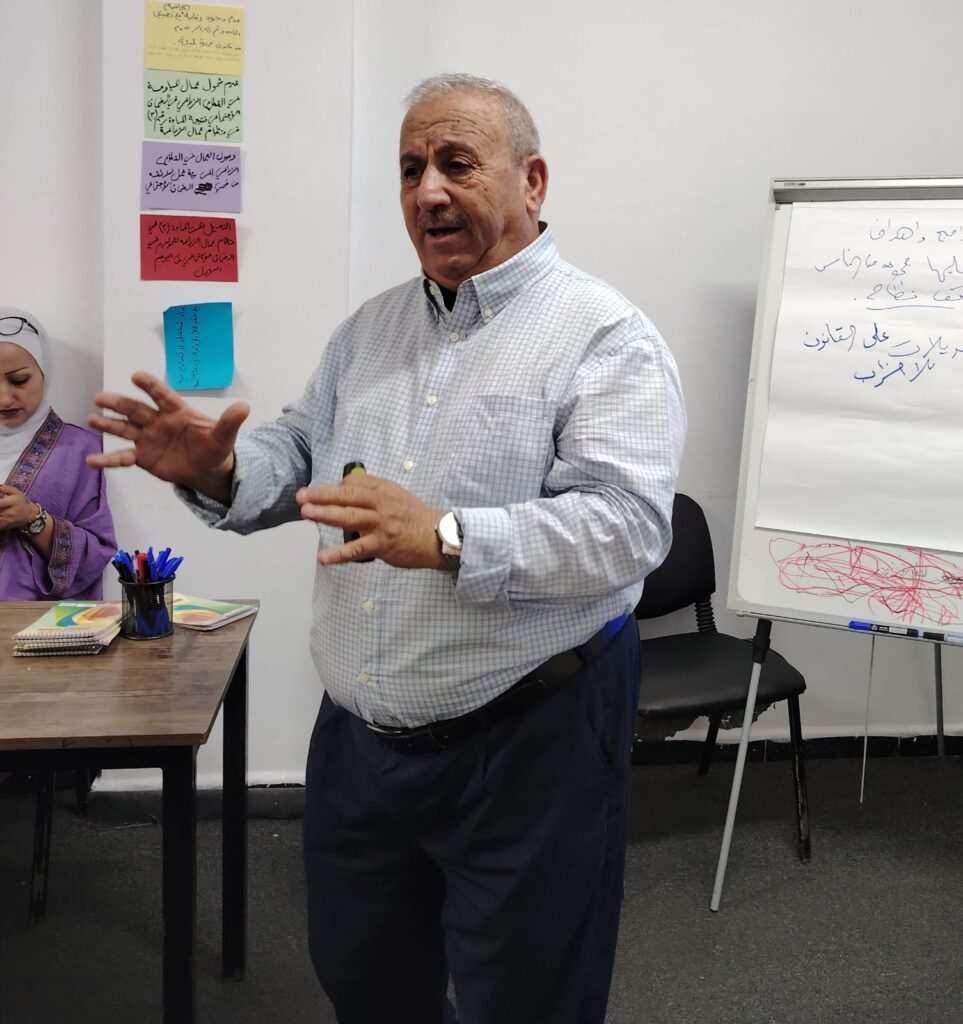
The training program covered a range of key topics, including youth political participation, political party engagement, and political pluralism. It also explored the role of young people in Jordan’s political modernization process, introduced the Political Parties Law, and highlighted the role of youth as effective leaders within political parties. In addition, participants were introduced to the House of Representatives Election Law and the opportunities that party engagement provides for participation in the upcoming elections. The program also examined opportunities for youth participation in municipal and governorate council elections, while presenting the draft Local Administration Law and the key opportunities it offers to strengthen youth participation in decision-making.
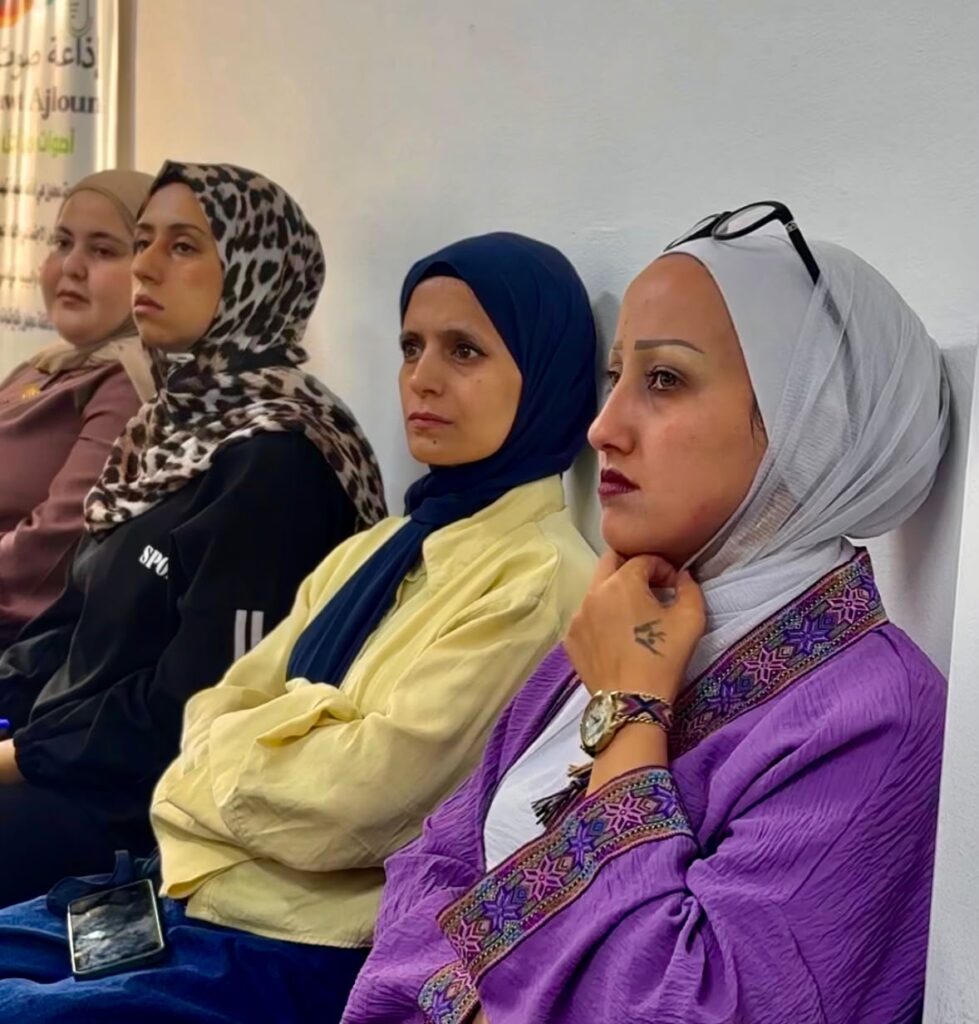
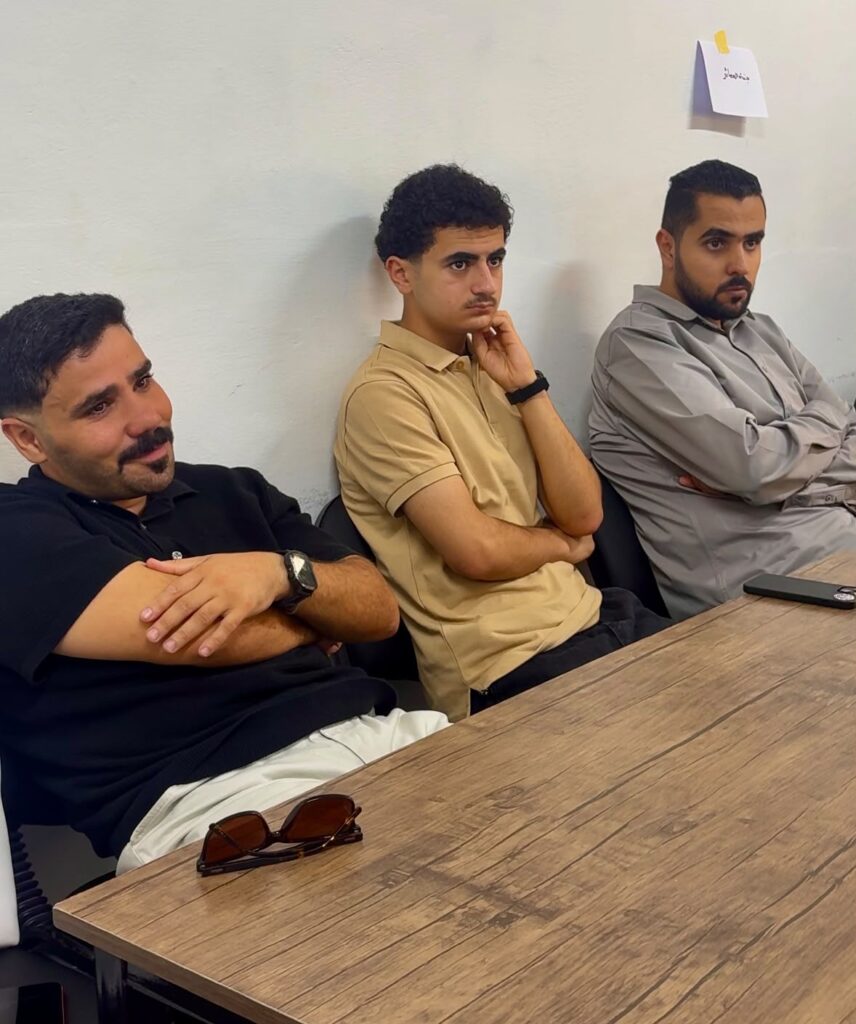
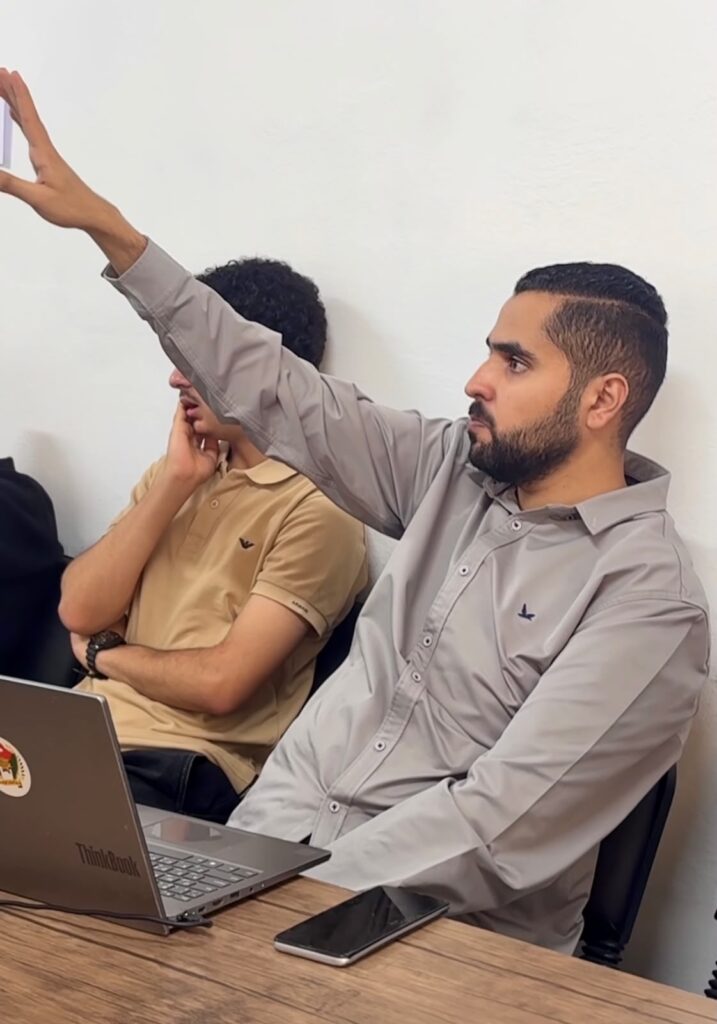
The training witnessed remarkable engagement from participants through open discussions and practical activities that deepened their understanding of the legislation related to Jordan’s political modernization process. These activities also enhanced their skills in dialogue and teamwork while expanding their knowledge of the mechanisms for political and party participation.
At the conclusion of the program, participants emphasized the importance of continuing such training programs, as they provide young people with the knowledge and practical experience needed to actively participate in political life. They also expressed their appreciation for the opportunity the project provided to enhance their awareness and strengthen their leadership capacities.
This training marks the first milestone of the project “From Vision to Implementation: Investing in Youth through Political Parties for a Promising Political Future.” The project aims to prepare a distinguished group of young leaders capable of leading political dialogue, contributing to the development of public policies, and strengthening youth political participation at both the local and national levels.
It is worth noting that the Intermediaries of Change Center for Sustainable Development aims to strengthen the role of communities—particularly youth and women—as agents of change across the economic, social, political, and cultural sectors, while harnessing their potential and capacities to advance the achievement of the Sustainable Development Goals (SDGs).